



Ageworthy rosés come into their own
It’s only in the last few years that rosé wines have come into their own and proved that pink isn’t just a drink for the summer or one to be drunk young.
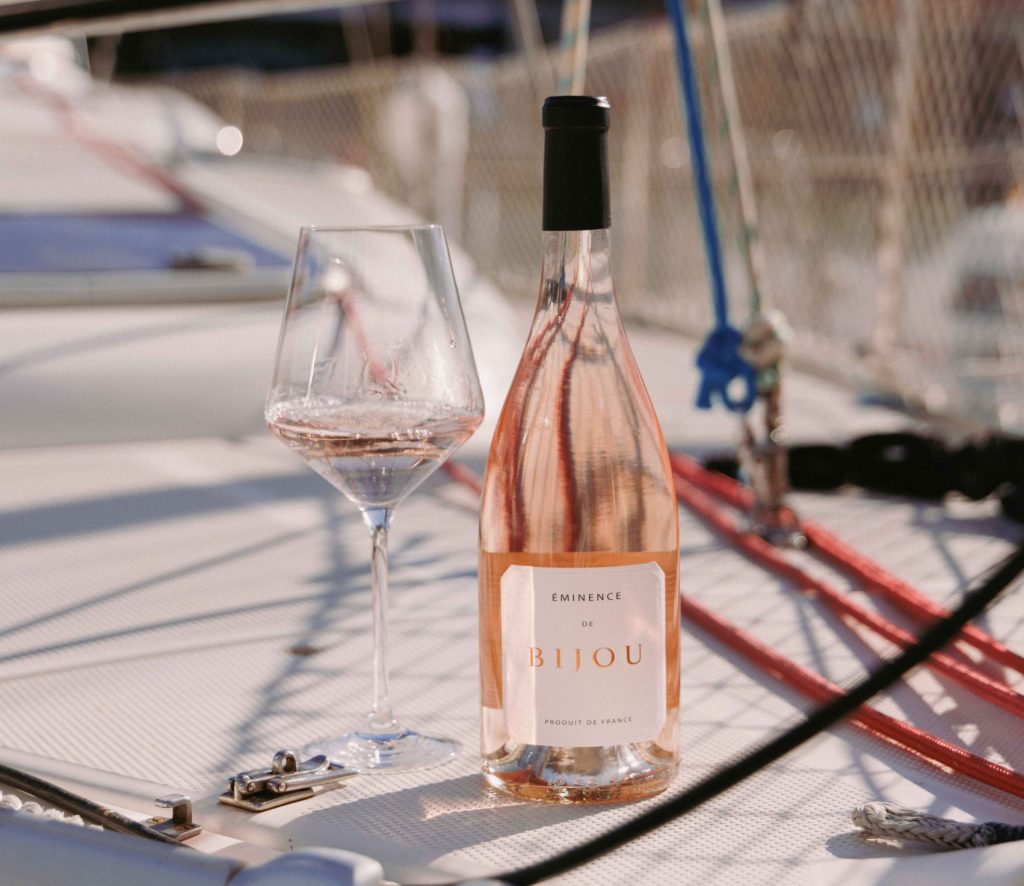
Increasingly, there is a growing segment of consumers who are seeking out more structured, complex rosés that show depth, textural richness and tertiary development after a year or two in bottle. These wines are ideal to be consumed throughout the year, and pair beautifully with food – from roasted meat and creamy pasta dishes to grilled fish, charcuterie and Mediterranean salads.
As db’s recent Global Rosé Masters proved, careful site selection and following precise vinification methods similar to great wines can result in rosés with wonderful texture that can age gracefully. Names such as Domaines Ott, Clos du Temple, Garrus, Les Clans and Éminence de Bijou, which took the top spot as the preferred rosé in a global blind tasting masterclass led by Elizabeth Gabay MW recently, prove that premium age-worthy pinks are on the rise.
Southern French producer Bijou, whose multi-award-winning portfolio is sold in more than 50 international markets, leans into this practice, with a mission to discover and reveal the potential of unique vineyard sites across the Languedoc.
According to Bijou’s brand and marketing manager Emily West, it is a mixture of old vines and good terroir that produces the concentration required to give its rosés their ability to age, while careful winemaking preserves both the fruit flavours and the wine’s freshness. Other factors such as extended maceration, lees aging (with or without bâtonnage) and partial oak maturation add extra complexity and texture.
Site selection
The grapes for its premium rosé, Éminence de Bijou, are sourced from two select parcels of old vines from the Coteaux de Béziers appellation, which nestles on the coastline between the River Orb and the Bassin de Thau. This coastal site ensures that later ripening grape varieties such as Grenache and Rolle perform at their best, allowing them to ripen gently, with sea breezes limiting the otherwise high daytime Mediterranean temperatures.
The underlying bedrock of limestone and calcareous clay offers excellent drainage and contributes mineral structure and finesse to the wines, while the north-facing aspect protects it from the heat of the sun, helping to preserve its acidity and freshness. This is further enhanced by harvesting the grapes at 4am in the morning, long before the day heats up.
Directly pressed to a maximum of 800 millibars prevents extracting excessive phenolics, the musts are then cold-settled at a low temperature before fermentation to build texture in the mid-palate. It is then fermented in stainless steel tanks at 16 degrees to again preserve its freshness.
In terms of the blend, Grenache forms the backbone of the final assemblage, around 60%, contributing structure, body and ripe red fruit. This is tempered by having a proportion (15%) of the Grenache aged in second- and third-fill French oak barrels. This adds an underlying texture and roundness, West notes, alongside subtle hints of vanilla and spice that don’t dominate the fruit.
Around 35% of the blend is Cinsault, with its longer maceration time boosting the finished wine’s tannin levels and giving Éminence a fuller richer mouthfeel that will slowly evolve and soften in the bottle.
Finally, a small proportion of Rolle (5%) adds a kick of citrus acidity, preserving the fruit development over a longer period.
“The combination of vibrant red fruit, the citrus lift from the Rolle and the partial barrel fermentation results in a layered wine with the structure to evolve over time,” brand and marketing manager Emily West says. “2023 is tasting beautifully and this is a wine that will easily age for more than 3-5 years.”
Year round appeal
As West notes “the success of cuvees like Éminence reflect the growing awareness that rosé can be more than just a summer drink. There’s increasing appreciation for more premium rosés that show depth, textural richness and tertiary development after a year or two in bottle.”
It is, she adds, “a great gateway” for consumers moving from every day, immediate-drinking rosés into a more premium space – and wine writers are increasingly taking notice. The Times critic Jane MacQuitty recently made it her pick for a Bank Holiday weekend, saying it proved that “pink wines can age”, while wine educator Elizabeth Gabay MW – a pioneer for the ‘pink wine revolution’ – selected it as one of her top picks for a “Rosés with a cause” sustainability dinner.
Gastronomic rosés often surprise consumers with their layered aromatics, spice and structure, ensuring they are increasingly viewed more like a fine white or red, especially when paired with food. And once consumers understand how production methods affect the final wine, they’re more willing to treat rosé as a serious category.
Related news
The best rosé wines between £20 and £50


