



A new generation takes charge at Perlage
Forty years ago, Perlage broke new ground as an early adopter of organic viticulture in Italy’s Prosecco DOCG country. db discovers how the family producer’s third generation is making its own mark as new faces join the company.

Large family companies – a complex web of matriarchs, patriarchs, a long-serving middle generation and a throng of eager cousins – can confer several advantages in a historic industry such as winemaking. They offer expertise passed down through decades of hard work. They allow a marketable history, thus building the brand. They provide, through the support of family, stability to weather shocks in an unpredictable industry.
Yet, even in a family company, things can change quickly. Perlage, a Prosecco specialist based near the town of Valdobbiadene, is proving that, as the family’s incoming third generation drive the next steps in its development.
Family as foundation
Although the official starting date for Perlage was 1985, its history stretches a further generation back. Tiziano Nardi and Afra de Rosso set the family on the course to make wine when, after World War II, they turned to agriculture to support their seven children.
Among their livestock and other crops, they planted vines and subsequently made wine. It was, however, just small-scale production of still wines. Despite the family’s position in the heart of the Prosecco Hills of Conegliano and Valdobbiadene – now a UNESCO World Heritage site – it could not afford the pressurised tanks needed to make sparkling wine.
As their sons grew up, however, they saw the vineyards’ potential and so, in 1985, set up Perlage. Dino, Ivo, and Claudio Nardi took the lead with the new venture. It was led by a drive to create new business and love of the local landscape, but also – just as crucially – by a desire to promote organic viticulture. Having seen the dangers of chemical sprays, including the impact on their father, they committed to organic viticulture from the very start, well ahead of its current vogue.
Under their leadership, the winery grew in strength and portfolio. They marked several milestones along the way, becoming a leading exporter of Italian organic wine and breaking new ground in vegan and sulfite-free production.
Now, the third generation is increasingly taking the lead. Four of them – Michele, Anna, Tobia and Sandro Nardi – now work full time at the winery. As they chart the next course for Perlage, the young team is finding its place between inheritance and innovation.
Sustainability – a continuing mission
Forty years ago, as Perlage’s organic journey began, it was an outlier in an industry dominated by conventional viticulture. Like family, a commitment to sustainability has been a pillar for the winery. “Sustainability is in our roots,” says Anna Nardi. “That’s what we are.”
As an early adopter, Perlage was ready to respond as the trend for organic viticulture took off. However, it was far from a single commitment. Over the last decade, Perlage has advanced its sustainability platform, with plans also extending to the near future.
By 2016, for instance, it had switched its entire portfolio to vegan production. The quick change – its first vegan wine was made in 2012 – reflected an increased concern from consumers in what goes into their wines.
There has also been an effort on the regulatory side. In 2017, Perlage achieved BCorp certification, recognising its wide ranging efforts in social and environmental sustainability. It was the first Italian wine company to do so. Then, in 2019, it became a benefit society, a legally distinct category of business that has a duty to sustainable practices.
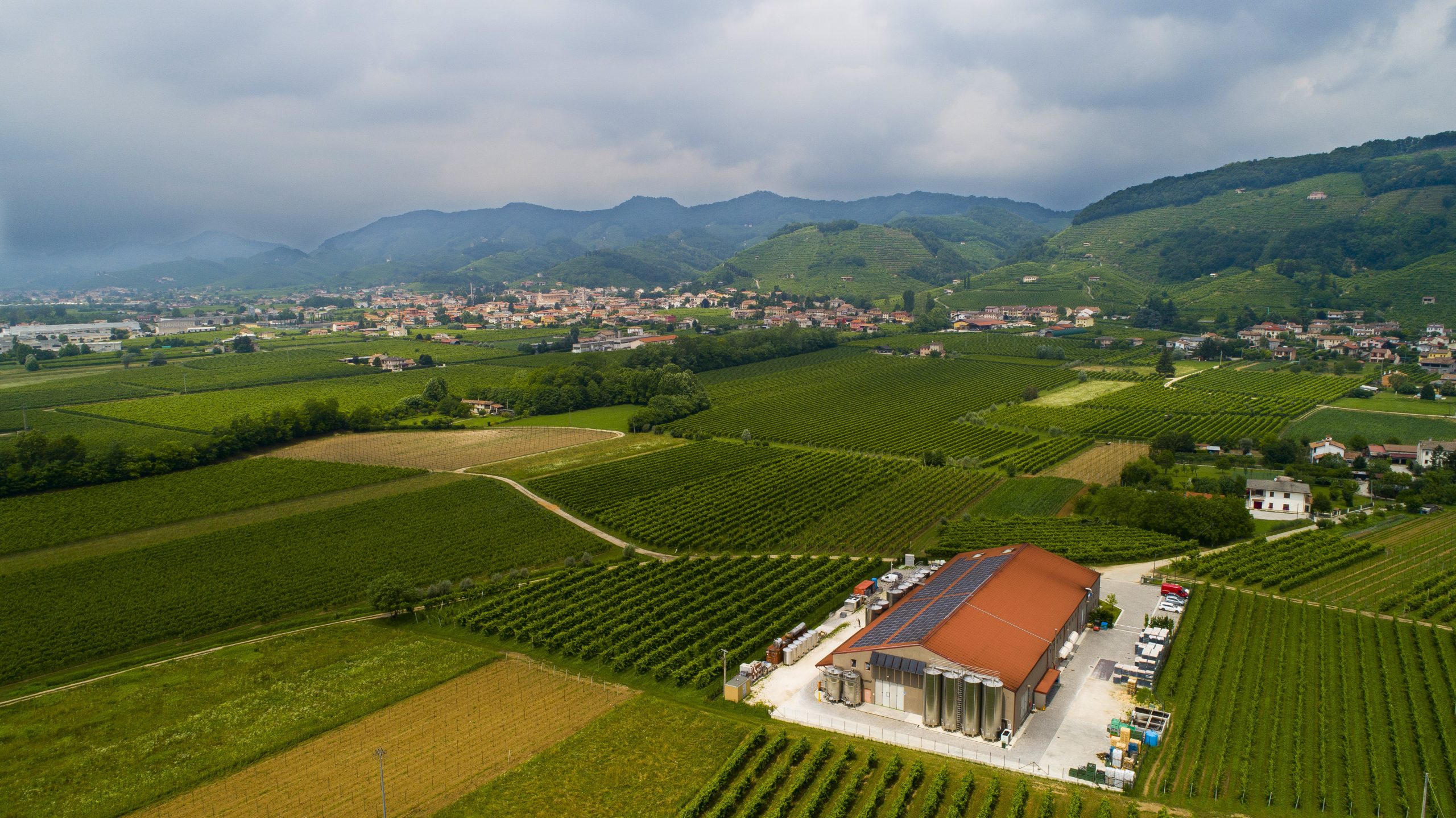
Even the landscape has been reshaped by Perlage’s efforts. In 2020, it completed work on two storage ponds, designed to store rainwater. The scheme prevents the erosion of soils, crucial in an area with steep slopes, and mitigates the risk of flash-flooding.
With several other sustainability initiatives in the pipeline, including lighter bottles, greater use of recycled materials and an increased focus on social responsibility, the sustainability programme at Perlage shows no sign of relenting. Even as a new generation takes up the mantle, it is still a central project for the winery.
Reaching new markets
That generation, however, has its own ideas to bring to the company. They are particularly keen to build on the high quality and expertise built over prior generations and promote that to even more consumers. “My father is the person we always turn to when we have doubts,” explains Anna Nardi.
Yet she also admires his ability to take a backseat when the younger generation make their choices. She says: “His added value, besides being very wise, is that he has given us complete freedom in the generational transition phase. Our intention, however, is not to turn the company upside down; rather, it is to carry on our roots with a breath of fresh air.”
Confident in the quality of the project, a lot of the attention has turned to market positioning. Through further articulation of its sustainability initiatives, effective targeting of key markets and some subtle updates to packaging, Perlage aims to occupy an increasing share of the premium sector.
Yet there has also been space for new products, designed to complement the existing portfolio and to highlight Perlage’s expertise.
The winery has emphasised its history by delving into Treviso’s viticultural history. In the 2000s, it was the first producer to make sparkling wine with Manzoni Bianco, a local variety created in the 1930s. It therefore followed this up last year with Iconis, a Manzoni Bianco made using the charmat method. With zero dosage and months aged on the lees, it offers a premium expression of a local speciality.
At this year’s Vinitaly, the producer has pushed even further in its innovation, showcasing its new release, Pra Giarin 2023. It is a wine defined by complexity and exclusivity, with only approximately 2,000 bottles made.
The grapes – a mix of Pinot Grigio, Chardonnay, Moscato Giallo and Moscato Rosa – age separately in a variety of vessels, including ceramic clayvers, amphorae and barrels of various sizes. In its unusual approach, less wedded to oak and to single varietal wines, it is a modern, premium evolution for Perlage.
And yet its core identity is unchanged. The wine, after all, is rooted in the landscape; its name comes from its terroir. The vineyard is dominated by giarin, gravel-rich soils that promote deep roots and aromatic complexity, and is surrounded by hedge-lined fields that provide a haven for biodiversity. Three generations in, as each makes its own mark, there is a certain reassurance that some things remain unchanged.
Below, two of our judges give tasting notes for Perlage wines, which were judged blind at the drinks business Spring Tasting.
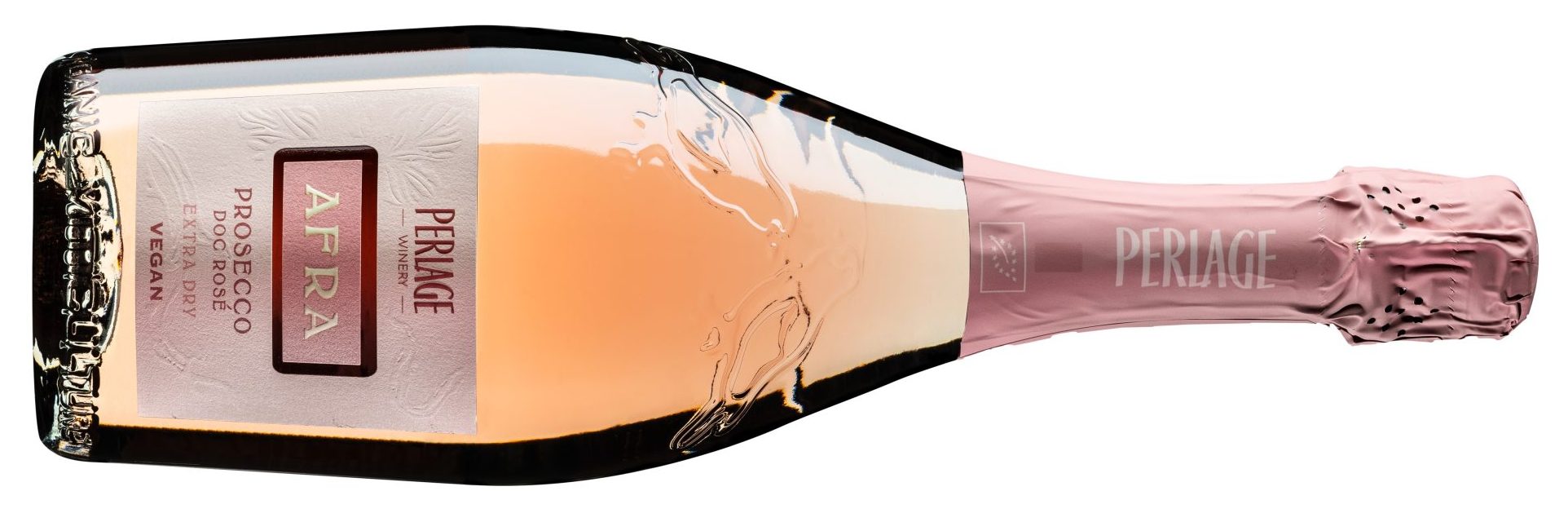
Afra Prosecco DOC Rosé Extra Dry Millesimato
- Producer: Perlage Winery
- Region: Veneto
- Country: Italy
- Vintage: 2023
- Grape varieties: 85% Glera, 15% Pinot Nero
- ABV: 11%
- Medal: Gold
‘Perlage’, the term for the ‘bead’ in sparkling wine, implies fine, persistent bubbles, and this delightful organic wine certainly has them. Very pale vieux rose in hue, with a well-defined narrow cordon, the wine shows cranberry and pomegranate fruit with gentle yeast and a floral note. Brut-style, the delicate yet concentrated palate flavours are framed by crisp acidity and a silky-textured mousse. Nicely balanced and integrated, this pretty wine is perfect as an aperitif, but would also work well with salmon soufflé. (Patricia Stefanowicz MW)
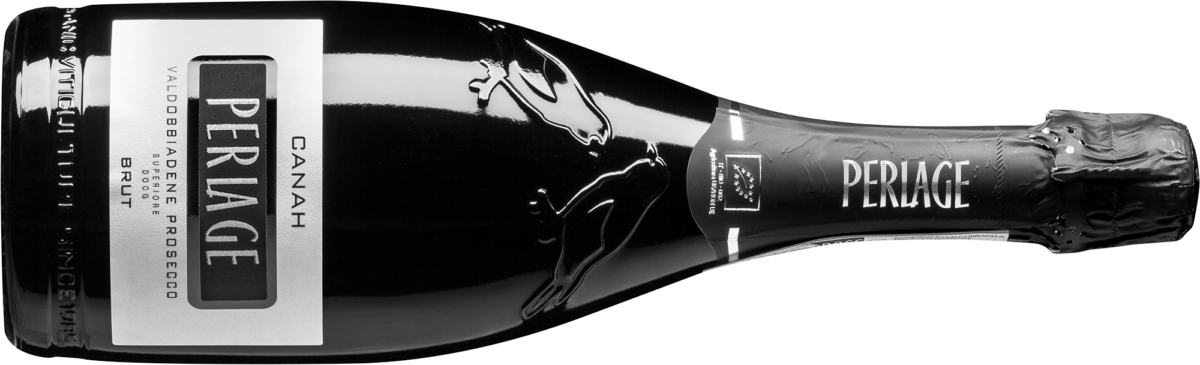
Canah Valdobbiadene Prosecco Superiore DOCG Brut
- Producer: Perlage Winery
- Region: Veneto
- Country: Italy
- Vintage: NV
- Grape varieties: 100% Glera
- ABV: 11.5%
- Medal: Silver
A lively, expressive sparkler with intense fruit, this has an attractive zestiness on the nose with notes of lemon, lime and tangerine. The mousse has good persistence and there is an engaging freshness on the palate, with white peach and lemon notes to the fore. This has a purity, ripeness of fruit and fine balance that makes it very appealing. (David Round MW)

Related news
Master Winemaker 100: Cynthia Ortiz
Château du Tertre partners with Ulysse Cazabonne to launch 'iconoclastic' white blend


