



Spreading their wings: the new opportunities opening up for closures companies
In the race to keep up with constantly changing consumer habits, are the days of the specialist closures business numbered? Eloise Feilden investigates.

INNOVATION IS the name of the game for closures companies. It’s all about having the newest line, the most up-to-date technology, the ultimate sustainable solution. And not for nothing – keeping up with changing consumer habits is vital to their survival, particularly as the ongoing decline in global wine consumption plagues not only winemakers, but bottlers and closure makers too.
Retaining your “competitive edge” is key to securing your future, says Kateřina Slezáková, marketing manager at Czech firm Vinolok. The way to do this, she says, is through a diverse product offering. “To stay relevant in the evolving market, Vinolok must continuously innovate and adapt to changing consumer behaviours,” she says.
Wine consumption has been in decline in its traditional continental European markets for decades, but for many years this volume decline was offset by growth in other markets – the likes of the UK, US and APAC regions including Japan, China and Australia. However, over the past 10 years, these former growth markets have also started to see volume declines. “The new generation have distinct habits,” says Nuno Silva, global marketing manager at Portuguese cork manufacturer MA Silva. “At the moment, this means a reduction in wine consumption, and we need to be aligned to that reality.”
According to IWSR Drinks Market Analysis, in the UK’s case, per capita consumption of wine peaked in 2009 and has been in decline ever since, except for a small temporary boost during the Covid pandemic. On a per-adult basis, the UK now drinks about 14% less wine than it did in 2000.
As such, the stakes are only getting higher for closures companies battling it out for market share, and firms are increasingly feeling the pressure to be everything to everyone.
“Everyone is looking for something unique and distinctive,” says Paola Cermisoni, marketing manager overseas & Australia at French closures giant Crealis. “That’s why our portfolio is very large and dynamic, to offer several solutions.”

Crealis came into being only two years ago following the merging of eight different closures brands in 2022.
The company now produces foils, capsules, wire hoods, corks and flanged corks for the wine trade. But the formation of the group also gave Crealis capacity to cater to spirits brands and non-alcoholic drinks, as well as oils, vinegars and fragrances.
The merger, involving Enoplastic, Sparflex, Le Muselet Valentin, Rivercap, Maverick Enterprise Inc, Corchomex, PE.DI and Supercap, points to precisely how much the ‘more is more’ sentiment is taking over the closures game.
And Crealis is not alone in its expansion strategy. In April 2024, fellow closures company Guala, which previously specialised in the production of closures for spirits and wines, announced its acquisition of crown closures manufacturer Astir Vitogiannis for €136 million in a move designed to expand its presence in the beer market.
Guala CEO Mauro Caneschi said at the time that the acquisition represented “a further important step in the group’s growth strategy of strengthening its market position in glass bottle closures, alongside the goal to continue growing the business in exciting international markets and within the luxury sector”.
INNOVATION COUNTS
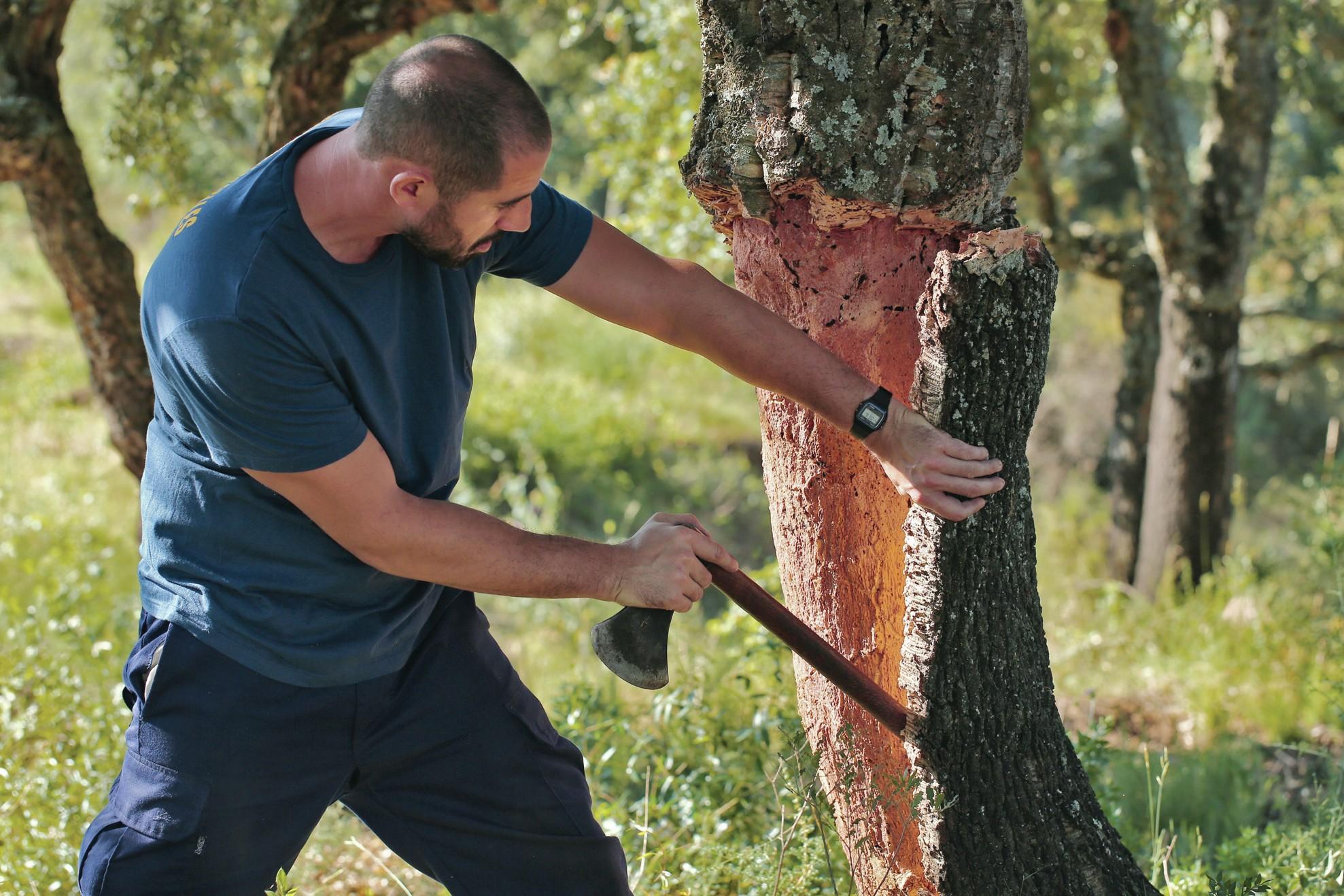
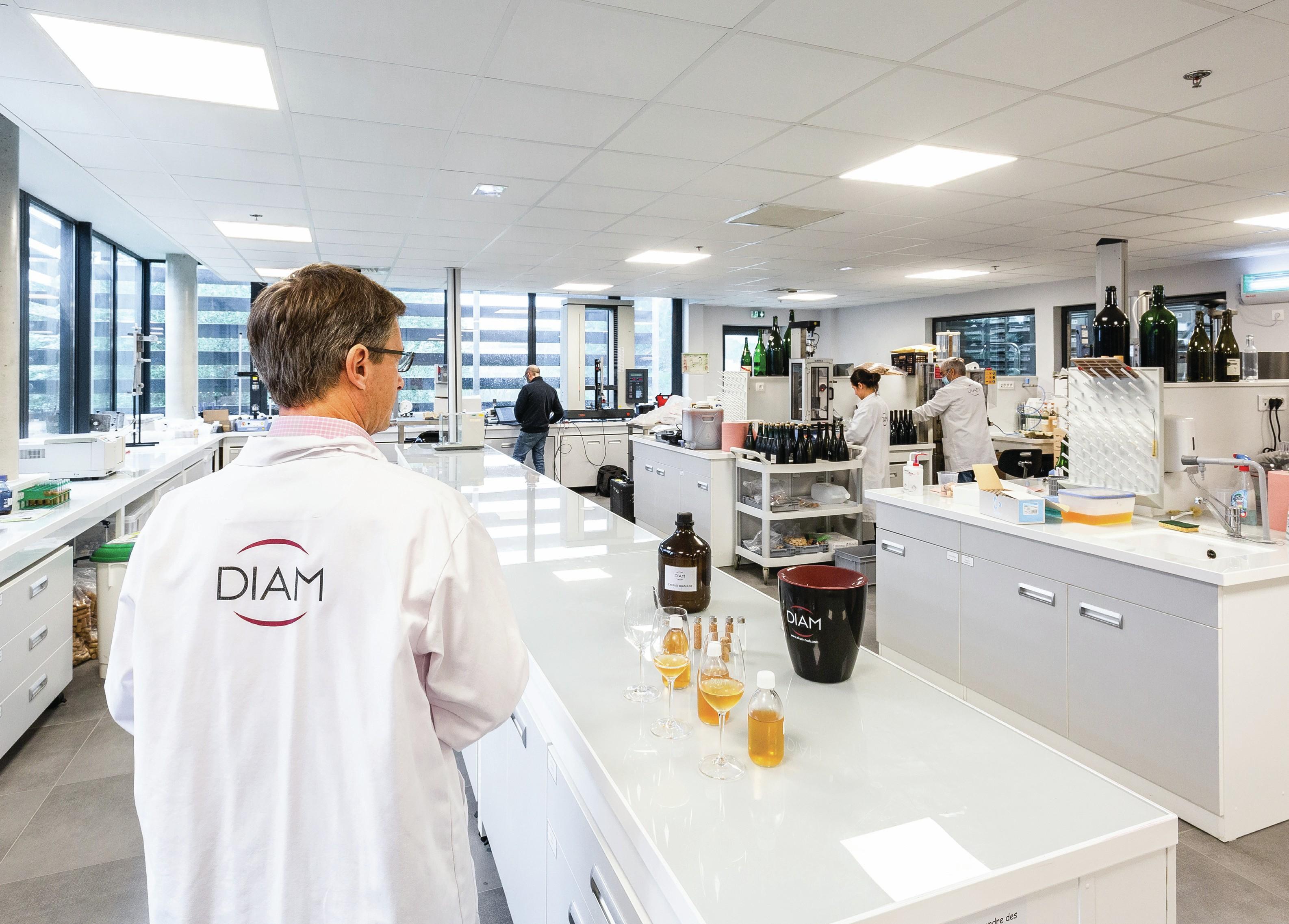
Diversification doesn’t always mean tapping into other sectors. Diam Bouchage has been manufacturing natural cork closures for wine brands for more than 20 years, and has no plans to move away from the category, or to share its focus elsewhere. The cork company is, however, no stranger to innovation, and commercial and marketing director François Margot says the shift towards diversification is just as key within the wine sector itself. “We see the market going very, very clearly towards differentiation,” he adds.
Diam’s latest innovation comes in the form of two cork closures specially designed for bottling and maturing wines “sur lattes”. A response to the growing number of Champagne producers returning to tradition by performing a second fermentation under cork, Diam’s newest offerings – MD5Ti and MD10Ti – are designed to replace metal crown caps during tirage.
“Tirage under cork was used in the past and is still part of a very old tradition,” Margot explains. Liqueur de tirage is a liquid solution of yeast, wine and sugar that is added to the still base wine in order to create the secondary fermentation in bottle. The amount of sugar determines the level of dryness in the wine, as well as the atmospheric pressure in the bottle.

The inconsistency of oxygen ingress from one bottle to the next, as well as the risk of taint, forced the method out of fashion. But modern cork technology means closures companies can control gas exchange more efficiently, lowering the risk for winemakers.
Responding to a growth in interest, Diam Bouchage has been working with Champagne houses to adapt its new technology – just one of the innovations the company has been formulating.
“We have transformed our cork into an oenological tool by creating a range of around 20 different corks, from which the winemaker can pick and choose, depending on wine quality, and depending on what they want to do with the wine,” Margot says.
“It is a real challenge, because our company is shifting from a cork producer to basically a winemaker’s assistant,” he adds, but staying ahead of the curve is essential in a sector where individuality is highly prized. “It’s about giving options to winemakers to match what they want their wines to become.”
LOOKING GOOD
Product diversity matters just as much for what the consumer sees as to what they taste. “Established brands have their place on the shelf, but if you want to buy a different wine that you don’t know, the leading reason [for purchase] will always be the packaging,” says Elena Zaharieva, director of investor relations at Herti. As she puts it: “Anyone would buy a bottle of wine that looks good.”
For Zaharieva, “bright colours and shiny elements” attract the customer’s eye. “Every manufacturer of wine strives for their product to look good and be noticed and chosen by the customer in the store. A beautiful bottle, a new label, a multicoloured cap or foil print – all this contributes to the look of the wine and makes the choice easier for the customer”. Vinolok’s Kateřina Slezáková believes differentiation is key here too. “Luxurious packaging implies a high-end product, while a minimalist design might suggest modernity and simplicity,” she says. “It influences consumer perceptions, differentiates the product from competitors, conveys vital information and creates an emotional connection.
Investing in high-quality, thoughtful design and packaging can significantly impact sales and brand loyalty.”
Not only are closures companies offering something unique to wine brands, but to consumers too.
Personalisation has become key for companies like Italy’s Tapi Group.
“Consumers are increasingly looking for unique and personalised products, which extends to packaging and closures,” says Paolo Boratto, marketing manager at Tapi. Embossings, debossings, prints, engravings and aged effect looks, as well as custom engravings, are all part of the package, and Boratto believes it helps brands to connect more personally with consumers. Getting the bottle of wine into the hands of the consumer is ultimately the goal. If closures companies can provide wine brands with one of the tools to do just that, they may just be able to secure their future for the years to come.
Related news
English investor buys historic Château Vignelaure
Wales bids for world’s first natural wine appellation
How service crop management could save vineyards in dry years


