



Why this corner of Romagna should be on your hot list
A bid for DOCG status by one of the sub-zones of Romagna is just part of this region’s exciting future, writes Giles Fallowfield.
SIX TOP wine producers in Romagna have joined forces to campaign for DOCG status for Sangiovese grown in their subregion of Predappio. Speaking in May during the 19th edition of the Vini ad Arte event in the town of Faenza, south-east of Bologna, Enrico Drei Donà of Drei Donà, who is spokesperson for the six companies, said: “We meet all the criteria [for DOCG status].”
While Predappio is yet to submit a formal DOCG application, it is the largest of the 16 sub-zones, which between them represent the pinnacle of Sangiovese production in the Romagna DOC, a level above the Superiore classification and the basic DOC wines, with tighter regulations on yields, minimum alcohol levels and ageing requirements.
As a marker of its success, while total volumes from the DOC’s 5,890 hectares of vineyard have fallen slightly over the past four years, down from around 11.5m bottles in 2020 to around 9m bottles in 2023, volumes in the 16 sub-zones have risen.
In their campaign for DOCG status, the producers involved are taking as their blueprint the successful application made a decade ago by winemakers in the Nizza sub-region of Barbera d’Asti, says Drei Donà. In close parallel, Nizza was previously classified as a Superiore subzone of the Barbera d’Asti DOCG, but gained its own DOCG status back in 2014.
Donà says they were producing a similar amount of wine at around 250,000-300,000 bottles per year, a level he says you need to reach to have any chance of gaining approval, and Predappio is the only subregion in Romagna with these volumes.
In Bertinoro, the next-largest of the best-known Romagna sub-regions, the five producers showing their wines at Vini ad Arte elaborated fewer than 30,000 wines between them, although these included notable producers, including Giovanna Madonia.
Quality credentials
The criteria for achieving the upgrade from DOC to DOCG status are not that well-defined, beyond the need for the existing DOC to have been around for at least five years – the Sangiovese Romagna DOC was established in 1972, so that’s not an issue – and for producers to “demonstrate an additional layer of quality and geographic specificity”.
To establish the “quality credentials”, typically yields must be lower, with longer minimum ageing requirement for riserva styles, while the wines are independently tasted and critically assessed before producers may use the classification. The detailed work that went into defining and establishing the 16 delimited sub-zones over the previous decade has made “geographic specificity” easier to define. At Vini ad Arte there was a strong emphasis on the differences in soil types, aspect, altitude and climate, both between the different sub-regions and within their boundaries.
Meanwhile, small groups of representative wineries from some of the other best known subregions – Bertinoro, Serra, Marzeno, Oriolo and Mercato Saraceno – presented their wines to the international audience of journalists and commentators over the three days of the event.
Producers from Modigliana, another of the larger sub-zones described by writer Walter Speller as “setting the pace as a highly original Romagna style”, were notable by their absence.
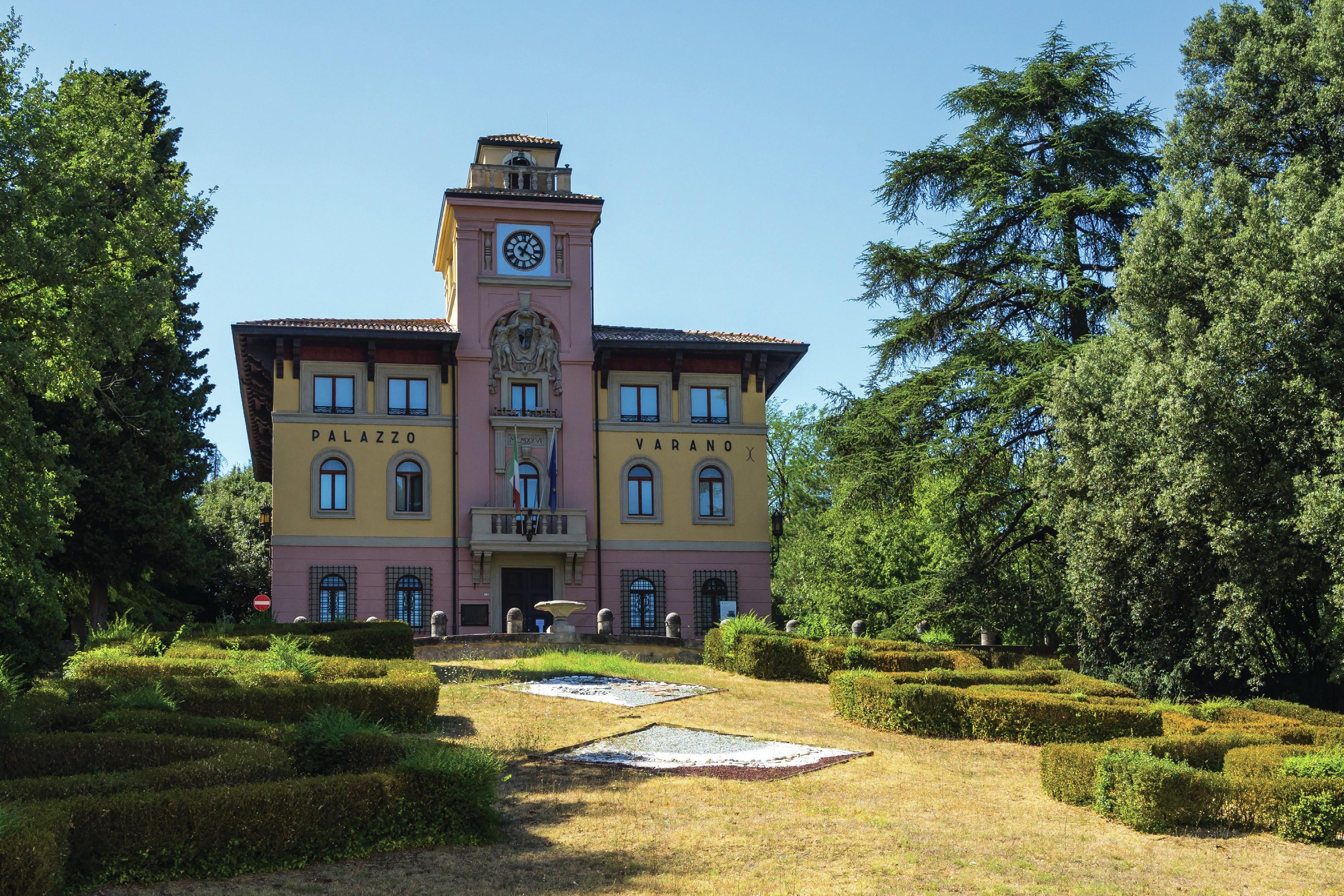
But back to Predappio and its quest.
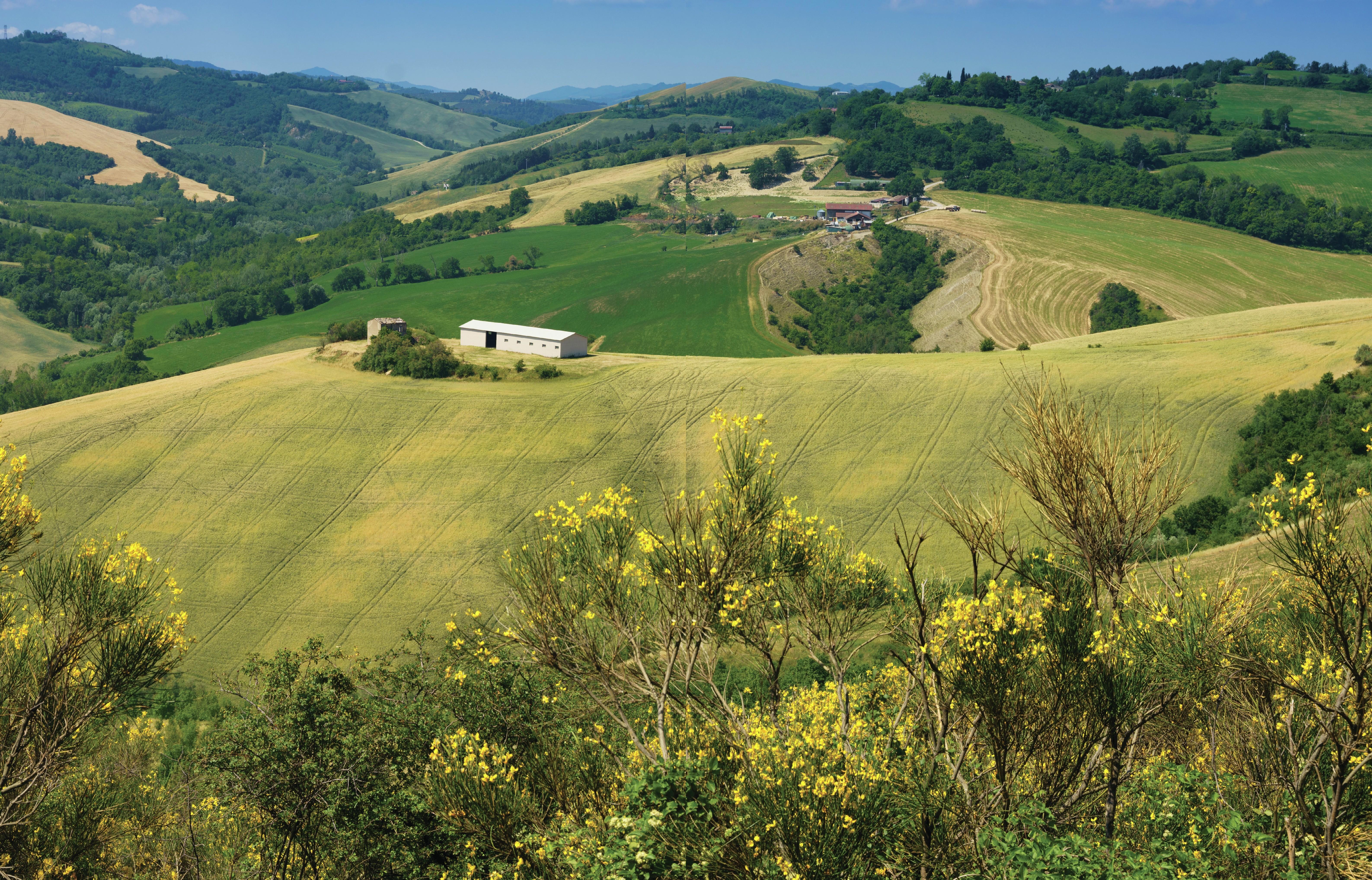
Physically one of the largest of the 16 subzones, Predappio sits right in the middle of the group, which together occupies a strip of land that runs for around 120 kilometres on a north-west/south-east orientation to some 10km short of Bologna to the west, and slightly beyond Rimini on the Adriatic coastline to the east. Viticulture is concentrated at altitudes of between 100 and 300 metres above sea level, but some vines are found are up to 500m.
In the line-up of five Predappio wines presented at Vini ad Arte, top cuvées were included, mostly from singlevineyard sites, with only 4,000 to 5,000 bottles produced of Chiara Condello’s Le Lucciole 2020, the best-known estate within the Predappio group. At Tenuta Piccolo Brunelli, the highest winery in the group, located at 350m, only 1,000 bottles per hectare are made from its three hectares of vineyard, while Noelia Ricci, located between 300m and 340m, makes only 6,000 bottles.
The two bigger players in Predappio are Dre Donà with 53,000 bottles and Poderi Dal Nespoli with 10,000 bottles. The latter’s Gualdo 2021, a lighter, elegantly perfumed style, is made from young vines only planted in 2016, auguring well for this wine’s future. Encouragingly, all these top wines sell in the €20–€30 price range, except for the better known Condello wine, which is priced at €70.
Prolonged winters
The Romagna climate is continental, with hot summers and cold, prolonged winters, but as we heard from Vini ad Arte participants and local oenologist Marisa Fontana, the weather pattern has been changing quite dramatically over the past decade or so. While rainfall, which gradually increases as you climb further into the Apennines, has always been limited in the foothills, more drought-like conditions have been experienced in recent harvests, such as 2022.
Although the 2023 viticultural cycle began with a lack of rainfall and higher than average temperatures, triggering early vegetal growth, concentrated rainfall in two bursts at the start of May and mid-month, amounting to more than 500mm – a year’s worth of rain in only six days – brought damaging floods and landslides to the region.
The geological structure of Emilia-Romagna is among the most complex in the world, according to the Consorzio Vini di Romagna. As far as the soil profiles are concerned, the consorzio lists six main types: red soil, brown soil, light blue clay, fossiliferous ochre limestone, chalky marl and sandstone marl.
In Predappio itself, which runs from near the town of Forli on Via Emilia to the south-west up into the Apennines, with the vineyards located between 120m and 400m, soils are mainly of clay-limestone.
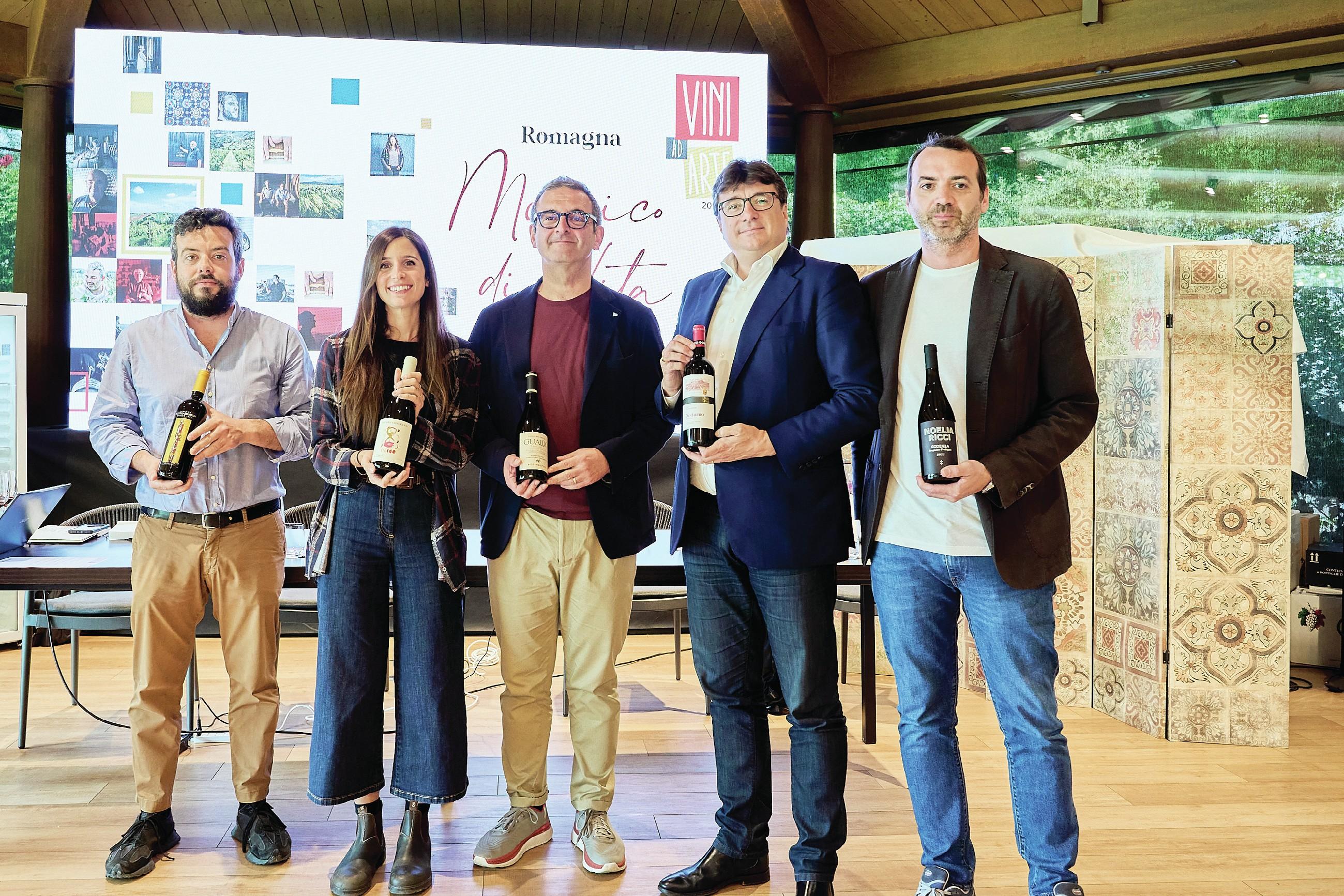
Local mission: producers are keen to press their case for DOCG status
But there are more sandy soils in the lower area, with intrusions of red clay; then chalk and limestone in Predappio Alta. These chalky marls have soil rich in calcium sulphate and ‘spungone’ – a kind of spongy sandstone made up of seashells held together by calcareous cement. Oenologist Fontana characterises the wines produced from these chalky marls as being “very rich in fruit, powerful, but with elegant tannins”.
In terms of style, while specific soil type, altitude and exposure to cooling sea breezes obviously have their effects, for top sommelier/educator Andrea Dani from Piedmont, who introduced all Vini ad Arte programme sessions, the Predappio style of Sangiovese is all about minerality and balancing tannins. Vigorous when young, these tannins become silkier as they are better integrated into the wines, with their elegant, fruity expression. Good freshness and acidity show these are wines with considerable ageing potential.
One of the attractions for Enrico Drei Donà in gaining DOCG status is, he feels, that given there are around 450ha of vineyard in Predappio, there is potential to increase the volume of the Sangiovese produced in this Romagna sub-region to a couple of million bottles in a few years’ time.
“We’ll be the new Montalcino,” he says, only half-joking.
Drei Donà thinks the whole process will take between three to six years because of all the bureaucracy involved at Italian governmental and EU level. And, while Predappio producers are looking to follow the precedent set by Nizza, they do already boast their own DOCG for white grape Albana (see box, p83), which while not widely known outside the region, was the first white grape to be granted such status in Italy in 1987.
Despite this earlier recognition, Predappio’s DOCG mission is by no means a sure thing.
“It is still premature to talk about DOCG [for Predappio],” Roberto Monti, president of the Consorzio Vini di Romagna, tells the drinks business.
“There are many companies that demonstrate their belief in the Sottozone [sub-zone] project, which is currently supported by about 600,000 bottles produced by around 80 companies.”
Related news
Zamora Company to distribute Bottega sparkling wines in Spain
Cabernet Franc on track to become the official grape variety of New York State


