



Why co-ops are cool again
Cooperatives can offer big benefits, their collective approach boosting levels of investment, sustainability – and, increasingly, wine quality.
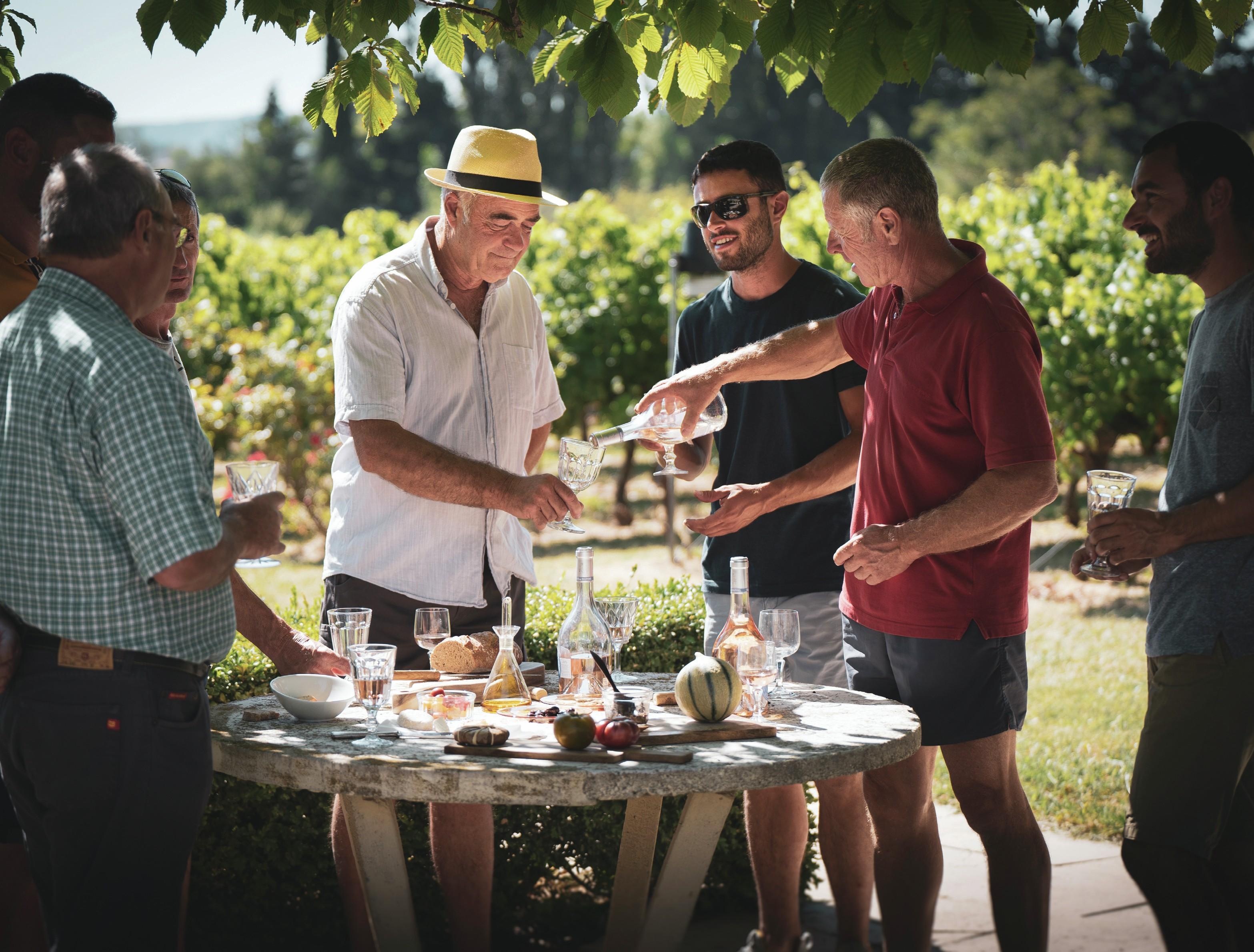
WHEN ASSESSING advancements in the wine industry, the positive social models are sometimes overlooked, but cooperatives are often focal points for communities and provide opportunities for multiple generations. Pooling strengths and working together continue to be de rigueur regardless of how the sector changes over time. This is the power of people.
One example can be seen through Foncalieu in southern France, a cooperative created in 1967 with its main mission “to ensure the transmission” of viticultural know-how between its members.
Describing this journey, Foncalieu president Jean-Marie Cassignol explains that the main advantage of being part of a cooperative is “the pooling of resources and efforts, which allows small wine growers to benefit from economies of scale, gain access to advanced technologies, and acquire a better market position to face current challenges.”
Such challenges might include “international competition, climate change affecting crops”, or even the need to “continuously innovate to meet consumer expectations”.
As a smaller outfit, producing and selling wine is no easy feat. Looking at the heritage attached to many of the biggest global cooperatives, the idea of clubbing together is nothing new. But staying relevant and profitable is part of any wine producer’s ultimate gambit, and here’s where joined-up thinking can help.
Plaimont in southern France is a collective initially founded in 1979, bringing together the Plaisance, Aignan and Saint Mont cooperatives. Today, Plaimont has more than 600 growers, 5,300 hectares of vineyard and 10 châteaux under its umbrella, producing wine under the Madiran, Saint Mont, Pacherenc du Vic-Bilh and, since 2023, Jurançon AOCs, as well as the Côtes de Gascogne IGP.
Plaimont managing director Olivier Bourdet-Pees shines a light on how Plaimont’s positive impact runs deep, both on the local and the global stage. He explains: “It was the driving force behind the revival of the Saint Mont and Pacherenc du Vic-Bilh appellations, and now produces high-quality wines from all the major French Pyrenean appellations; wines that have received numerous awards and recognition.”
SHARE OF VOICE
Recognition is hard-fought as a single producer but, with a greater share of voice, a dot on the map can figuratively magnify and amplify its presence to become known.
Unconvinced? One need only look at Argentina for proof. The history of sprawling cooperative group Fecovita is deeply connected to the history of the Argentinian wine industry, and was born when a group of producers decided to take control of their destiny and become part of the transformation of Mendoza’s wine sector.
Fecovita was founded in 1980 as the Federación de Cooperativas Vitivinícolas Argentinas, with the integration of thousands of wine growers who would no longer only sell their grapes, but would add value to their hard work by making and selling finished wines.
Today, this umbrella group assembles more than 5,000 producers into 29 cooperatives, who together own more than 25,000ha of vineyards in Mendoza, and as such can generate a deafening roar when it comes to wine marketing and global reach.
Another enormous benefit of belonging to a cooperative is the management of costs. Germany’s Ruppertsberger Weinkeller Hoheburg, which was founded in 1911, has since built up a vineyard area of around 400ha.
Describing how it operates, the cooperative’s managing director, Gerhard Brauer, explains: “The main purpose of our company is to generate cost-covering grape prices for our members, which enables them to run their wine businesses in a stable manner.”
But there are other advantages, says Brauer, such as “the division of work according to strength”. He adds that “everyone here does exactly what they do best” in order to complete outstanding work in the fields and vineyards “and deliver great grapes year after year”.
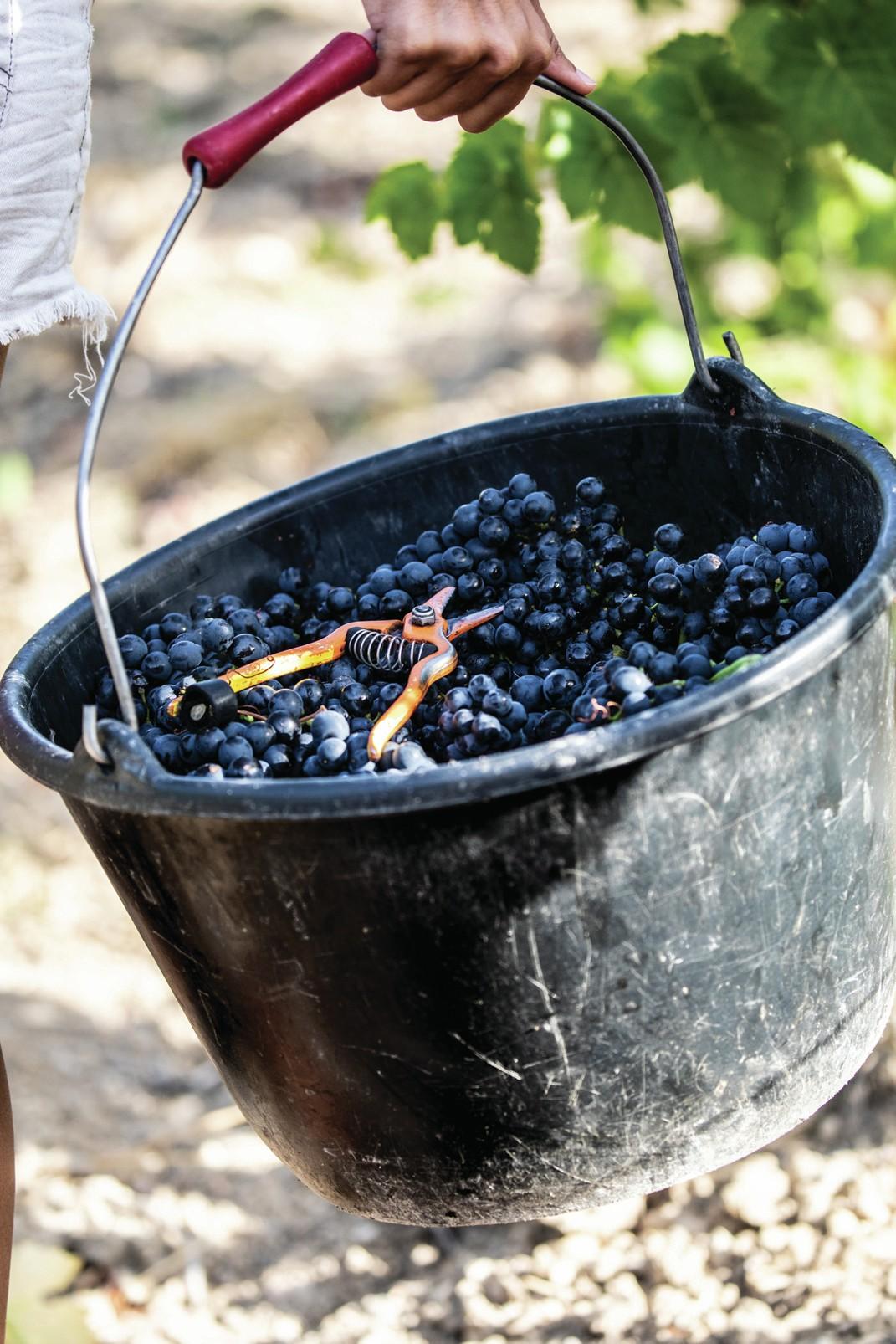
Brauer adds: “The well-trained cellar team, led by our cellar master Christoph Schwertl, is able to process the grapes very gently thanks to state-of-the-art technology and thus produce great wines.
The marketing team specialises in direct sales, wholesale and export strategies to bring the wines to customers in the best possible way.”
Lastly, he says: “The logistics team is then ready to help.” This teamwork, he argues, is where a cooperative truly excels – because it utilises the individual strengths of everyone and can therefore achieve what one person or organisation alone could not.
TIGHT-KNIT GROUP
Looking at cooperatives from outside the tight-knit group in question shows the true effect that collaboration can bring, especially when it comes to ‘share of voice’. This can be seen at Spain’s Bodegas Sonsierra, a cooperative founded in 1961 by a group of vine growers from San Vicente de la Sonsierra in Rioja Alta, where the collaborative model “upholds democratic participation, autonomy, independence and equity, which ensures collective wellbeing”, says CEO Luis del Águila.
He highlights that the cooperative also “helps generate employment and local development”, because “a large proportion of the profits are reinvested locally”, which in turn “benefits the economy and promotes the sustainable development of the region”.
Del Águila observes that Bodegas Sonsierra works according to “principles of mutual benefit that allow equitable access to goods and services”. It not only has a deep-rooted commitment to the community, but also to sustainable development, based on “values of solidarity (the actions of the few have repercussions for everyone) and social responsibility”.
He adds: “It has always had a positive impact on the environment as it promotes respect for natural resources, which are re-inverted into an improved quality of life.”
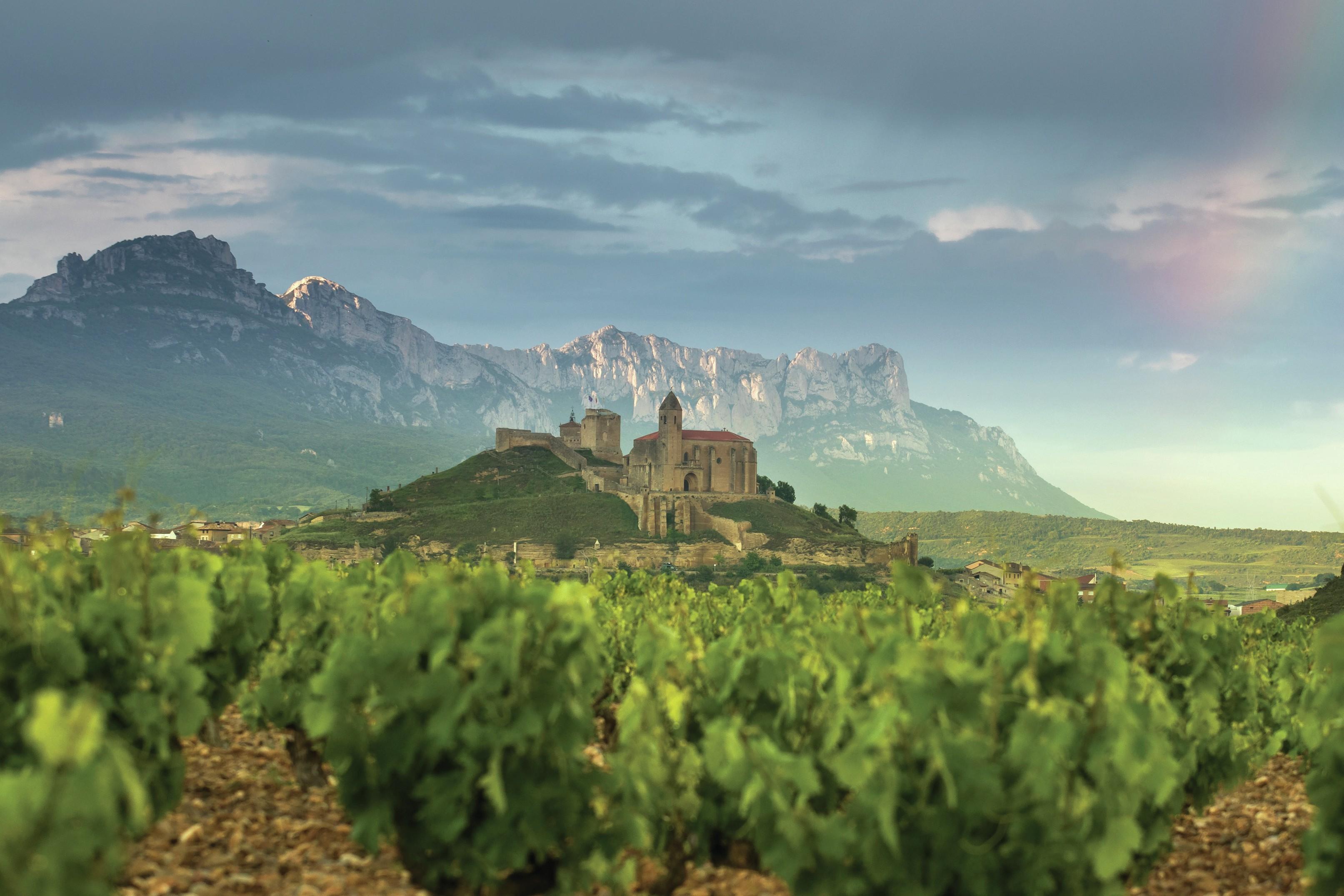
Origin story: Bodegas Sonsierra is rooted in Rioja Alta
According to del Águila, it is all about “knowing how to listen to the land and understand its needs”. Indeed, winemakers have long been at the mercy of what the land and climate dictates.
There are ways of working with the environment and creating not only fantastic wine, but also planet-friendly offerings using more conscientious and better ways of working.
As a result of a joint effort and the union of hundreds of wine growers, Bodegas BSI was founded in Jumilla in Spain in 1934 (as Bodegas Cooperativas San Isidro), making this year its 90th anniversary. Describing how the cooperative works in symbiosis with the environment, Bodegas San Isidro (BSI) general director Joaquín Hernández says that BSI was a pioneer in “implementing cultural practices and specific measures to certify its vineyards as organic”.
Jumilla is a region that is windy and dry – with around 300mm of annual rainfall – meaning that there is little disease pressure on the vines. Nonetheless, gaining certification inevitably involves a significant level of admin. However, that is perhaps made easier by joining forces. BSI unites 400 shareholders, and has now become “the main socioeconomic engine of the area, with more than 1,400 hectares of vineyards, including the largest area of Monastrell vines of ungrafted rootstock”, says Hernández.
Similarly eco-minded, there is no denying that Vignobles Foncalieu has a longstanding commitment to sustainability. It all started in 2001 when the group signed the first collective land use contract in France, on the initiative of one of its member wineries. Six years later, another milestone was crossed with the creation of vineyards earmarked for experimenting with grape varieties geared to the needs of the future.
Foncalieu head viticulturist Gabriel Ruetsch explains: “We waited until the grape varieties were authorised in 2016 before planting them in a bid to drastically reduce the use of inputs.” Concurrently,
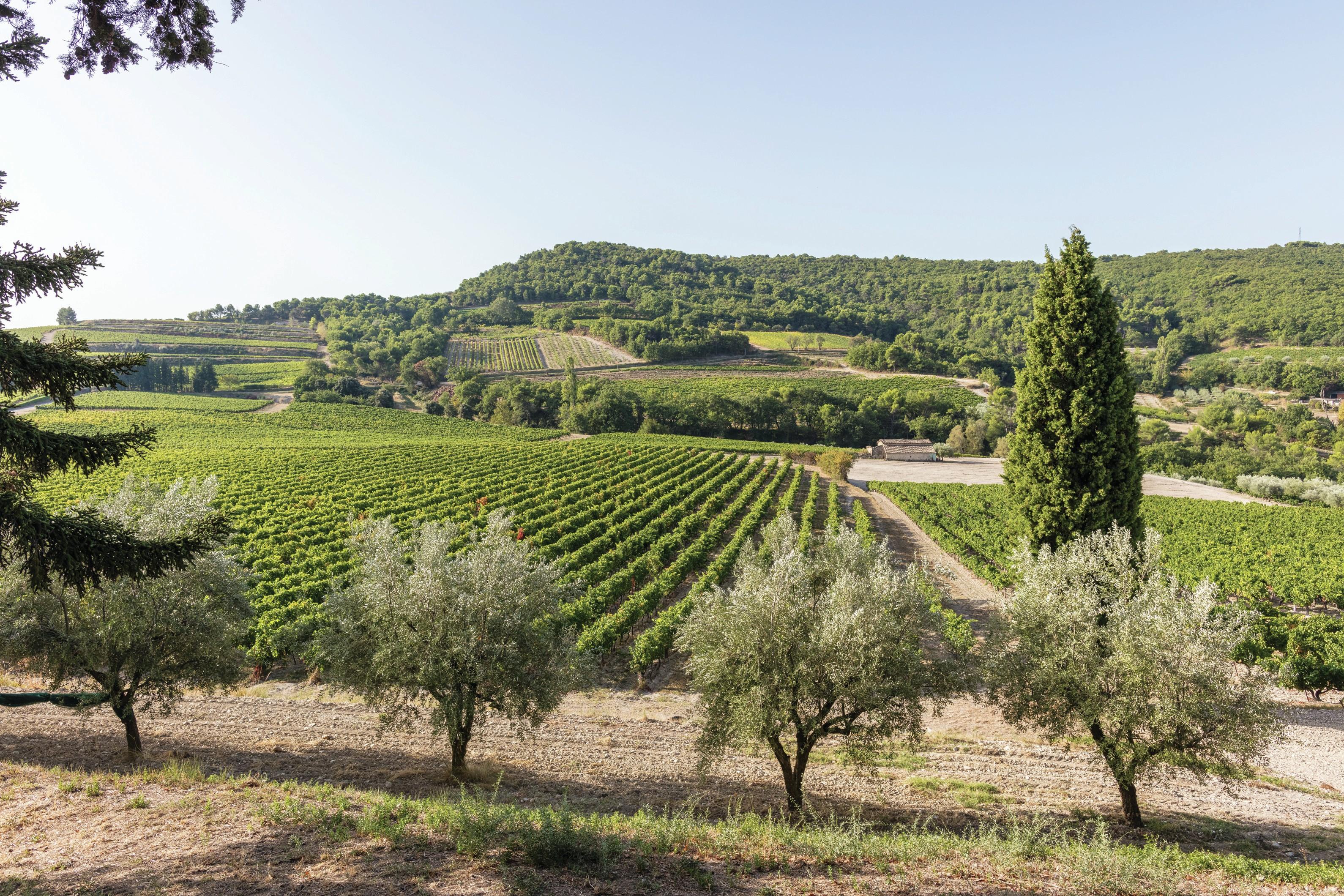
Foncalieu pioneered the use of mating disruption to combat grape vine moths.
This alternative control method uses synthetic pheromones to prevent the moths from mating and has put an end to spraying in half of the vineyards.
At Foncalieu, member growers have their sights clearly set on organic farming and are provided with the support, training and enhanced remuneration to do so. Five hundred hectares of vines have already been certified, and a further 44ha are in the transitional phase.
The medium-term objective is to achieve HVE3 (High Environmental Value) certification for all of Les Vignobles Foncalieu’s brands. Ruetsch says this will happen “by protecting biodiversity, and reducing inputs to ultimately achieve zero-pesticide residues in the wines”. He reports that 88% of production in the 2023 vintage already came from responsible approaches, such as HVE, BIO and Terra Vitis.
According to Ruetsch, the term “prevention is better than a cure” is the guiding principle of the group – and this rationale has led Vignobles Foncalieu to use increasingly innovative solutions, including “kits which allow early detection of powdery mildew, use of drones to hunt down flavescence dorée, and vineyard surveillance using connected traps fitted with mini cameras”.
Ruetsch further explains that software provides digital tracking of the active substances used by wine growers and adds that a network of weather stations connected to ground sensors allows the cooperative to measure the rate of humidity in the soil so that it can accurately manage drip irrigation and save water resources.
Having a large turnover means cooperatives can make investments in equipment and training, meaning there are more centralised opportunities to make progress. Large capabilities and extended nous have both helped Union des Vignerons des Côtes du Rhône to become a leading cooperative in France.
Speaking about how working together can assist greater steps forwards, Union des Vignerons des Côtes du Rhône marketing director Sandrine Sanchez admits that it is “much easier to be innovative and benefit from new techniques when you have the strength of a collective structure, and the capacity to invest in the latest equipment”.
Sanchez explains that the creation of the cooperative has meant that “business concerns are driven professionally” and “there is a team in charge of marketing and business concerns”, as well as people analysing consumer preferences in terms of wine and packaging so that they can “make relevant decisions for innovation”. All vital elements for creating the best wine possible.
POSITIVE STEPS
In Italy, giving another example of positive steps forward, is Cavit, the story of which began in 1950, as the Consorzio di Cantine Sociali (Wine Cooperative Consortium). Initially, it offered collaboration and assistance to many of its members, consolidating the culture of wine in Trentino and contributing to the training of wine growers.
By 1957, Cavit had added the commercialisation of production of its members, in both Italy and abroad, to its remit. Nowadays, its mission remains the same and it continues to promote the wine made by its associates, investing in constant improvement in quality, and taking Trentino wines all around the world.
It has 5,200 growers and 11 winery members, and represents 60% of the 6,300ha of vineyards in Trentino. Cavit export director EMEA & Asia Andrea Nicolini points out that, even though cooperative members are bound by the same rules as single producers, there are still benefits that single producers not in a cooperative won’t necessarily be able to enjoy.
Nicolini explains: “For example, it is easier for us to sell in both the home and international markets as a large cooperative. We have the capacity to research and understand the different markets, we have a central administrative centre to help with paperwork, legalities, labels and red tape, and we can offer a full portfolio of wines and prices – different styles and varietals from entrylevel up to premium.” db
Related news


