



Ask the expert: Francesco Ricasoli
A decade on from the creation of Gran Selezione, Sangiovese mastermind and Barone Ricasoli president Francesco Ricasoli tells db how it has changed Chianti.
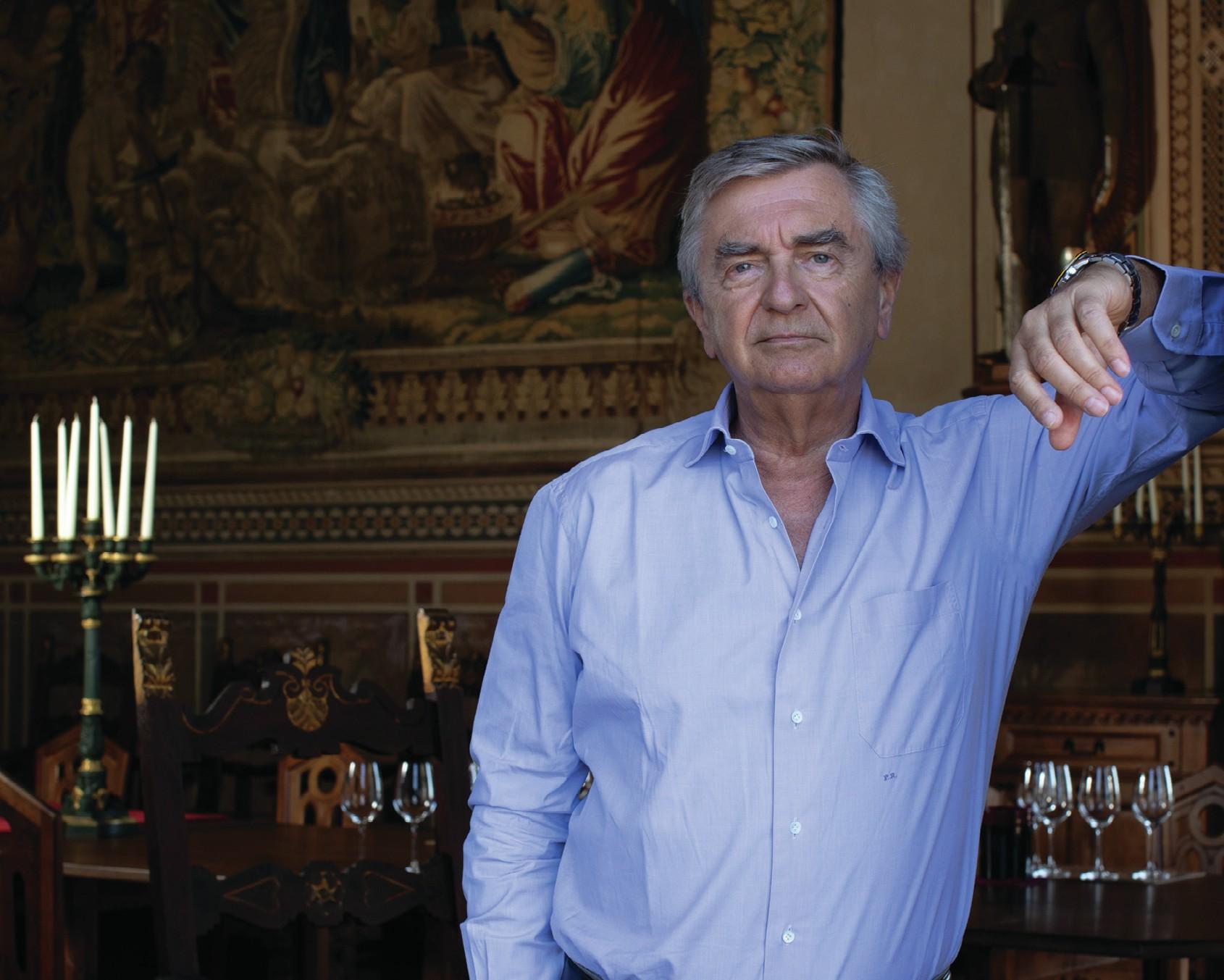
Barone Ricasoli’s 2021 vintage release marks 10 years since the Gran Selezione classification was introduced. How have things changed since then?
“When Gran Selezione was introduced, it had been clear for a while that the two existing categories, Chianti Classico and Riserva, were no longer sufficient to meet market demands. The entire territory was in favour of creating a superior category, and Ricasoli was one of the first to produce a Gran Selezione (today there are more than 200 producers in this category). The impact has been decidedly positive. Chianti Classico is no longer the ‘ugly duckling’ of Tuscany, but is increasingly present on good tables around the world.”
Ricasoli has led vital research into Sangiovese. What are some of your most important discoveries?
“Sangiovese belongs to Ricasoli’s DNA. One of our major studies was a thorough clonal selection of the many Sangiovese biotypes present in our vineyards to select the two Brolio clones registered with the Italian Ministry of Agriculture. We have also seen the variability of Sangiovese, which presents many different nuances that vary from soil to soil, but also depend on altitude, with a preference for 250m–300m above sea level. However, we have discovered that Sangiovese can now even thrive at 500m.”
Any other learning curves?
“For the first vintage of Castello di Brolio Gran Selezione, which is made from the very best grapes from across our different vineyards, we started off with 100% Sangiovese, then attempted various different blends before finally going back to pure Sangiovese in 2019.”
How do Ricasoli’s four Gran Selezione wines tell the story of the 2021 vintage?
“Their success lies in the fact that they are all pure Sangiovese wines, with distinctly different personalities derived from the soils of their respective vineyards. The 2021 vintage surprised us with the great quality of the grapes, despite adverse weather events including a late frost in April and a period of vegetative imbalances due to high temperatures in June. However, the vine demonstrated its resilience and overcame these challenges. Castello di Brolio stands out for its elegance, balance, persistence and measured power. Colledilà, born on limestone soils, is distinguished by its complex structure. Roncicone, from marine deposits soils, has energy, austerity and pronounced minerality. CeniPrimo, whose vineyard lies on ancient fluvial terrace soils, a very rare soil type in Chianti Classico, is notable for its ideal structure and balsamic notes.”
Following adverse weather events during the 2021 vintage, how concerned are you about the climate in Chianti?
“Climate change is causing higher temperatures in summer, which persist for long hours (from 10am to 5pm), and cause the vine to ‘close’. We have 10 weather stations across our vineyard area equipped with a Decision Support System (DSS) to monitor conditions continuously and apply precise preventative treatments. We are also experimenting with natural fortifying products and bio-stimulants to help plants cope with climate-related stresses. All this can make a significant difference in preventing future production issues.”
Related news
Driverless tractors to GPS planting: how one New Zealand winery is paving the road to success


