



Why future MWs should care about bulk wine
A close relationship with the Institute of Masters of Wine puts Encirc Beverages at the centre of higher wine education. db finds out more.
Having worked with the Institute of Masters of Wine (IMW) for a number of years, Encirc Beverages has stepped up this important partnership in the last 12 months.
Not only did the company give presentations at last summer ’s IMW International conference (held in Wiesbaden, Germany), but it also actively supports the MW student programme.
“By giving students direct access to a wine bottling facility, we are able to help support their learning in this area as they progress towards sitting their first theory paper,” explains Dr Chris Borman MW, winemaker for Encirc Beverages.
The company has hosted site tours for MW students, with the most recent visit taking place on 13 February, when students were guided through the different packaging formats filled at The Park (glass bottle, bag-in-box, can, etc). MW students were able to examine in detail how wine needs to be prepared differently for each format.
“As part of this we held a Q&A session on the advantages and disadvantages of each format and how this can impact the selection of wine for a particular market, as well as the impact it can have on things like taste and product shelf life,” says Dr Borman, who takes the lead on quality assurance and technical projects.
Having worked as winemaker for The Park since 2013, Dr Borman joined the newly-formed Encirc Beverages last year following Encirc’s acquisition of The Park. He is a firm champion of bulk wine, and hopes that by inviting MW students to learn more it will help to change perceptions of the category.
“I believe there is still a perception that MWs are only interested in fine wines,” he tells the drinks business. “Breaking this outdated stereotype is really important for the future of commercial wines and the role of UK bottling.”
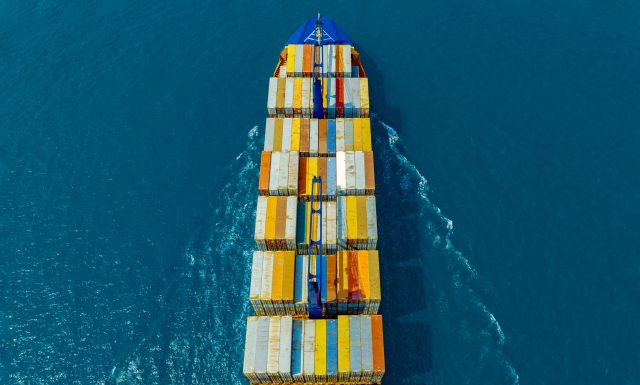
Dr Borman is keen to impart the “huge sustainability benefits” from shipping wine in bulk and then bottling in the UK, as well as the high flavour quality that can be achieved.
“By bulk shipping and packing here at Encirc Beverages, we are able to assess the wine prior to bottling and make minor adjustments to improve the overall freshness and vibrancy of the wine, giving the best possible experience when the bottle is opened,” he says.
“We have done a number of blind tastings with MWs over the last few years and consistently see that wine bottled here in the UK tastes just as good, if not better, than the same wine bottled at source.”
Part of this, he believes, is due to the high external air temperatures that a container of bottled wine is exposed to during the journey as it travels to the UK from its region of origin (Australia, South Africa, the US, etc). “In extreme cases, this can be very damaging to the wine in bottle, resulting in undesirable flavours and aromas once opened,” Dr Borman explains.
Ship in bulk, on the other hand, and the “sheer mass of 24,000 litres of liquid inside the Flexi-bag means that, even though the external temperature may exceed 40°C for several weeks, the wine itself doesn’t increase in temperature by more than a few degrees,” says Dr Borman.
“This phenomenon, known as ‘latent heat’, is also the reason why in summer a large expanse of water such as a lake is still cold when you swim in it.”
FUTURE INFLUENCERS
Informing the next generation of MWs about the latest technologies and techniques used at Encirc Beverages’ world-class packaging facilities is also a way of enlisting future influencers in the wine industry.
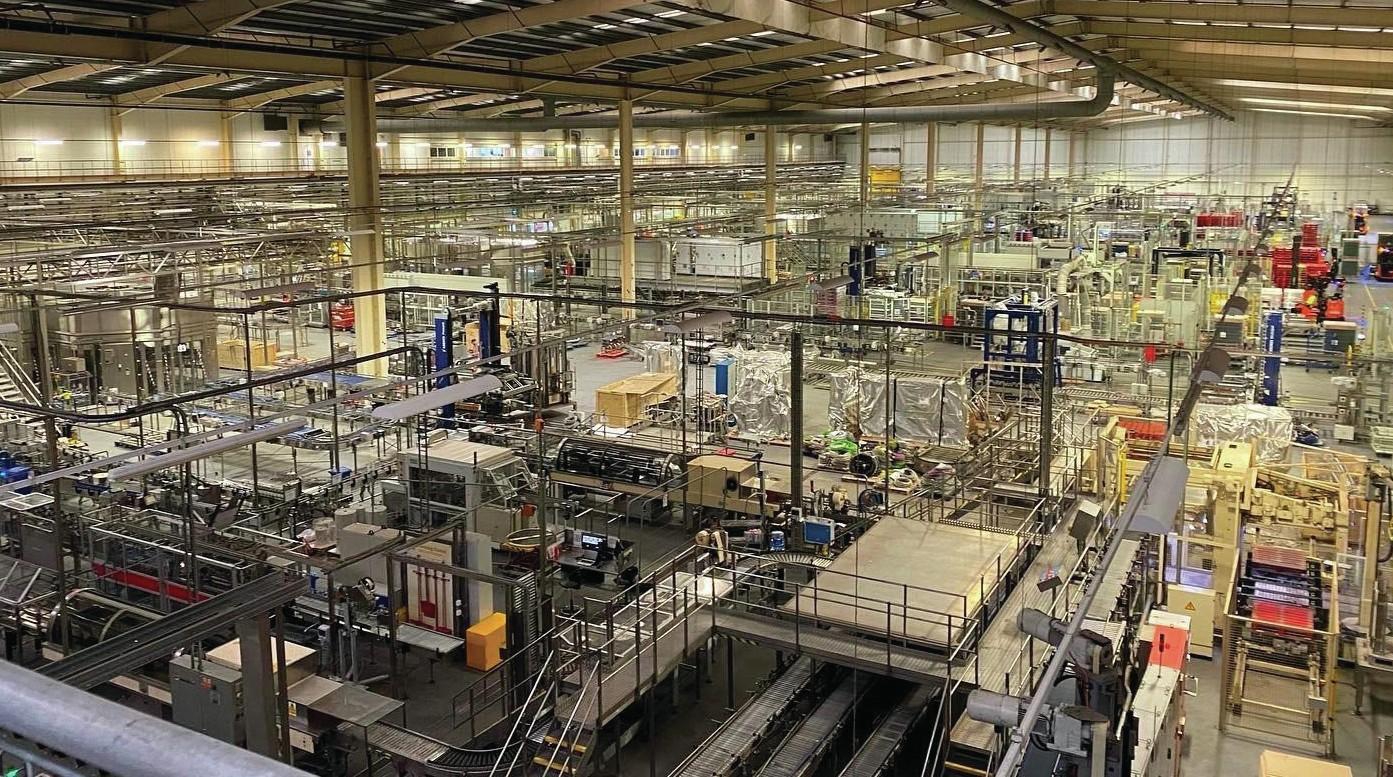
“By allowing them to see first-hand the latest technology being employed in our two facilities, and the attention to detail we bring to every stage of our process, it helps to raise the profile of UK bottling and in particular Encirc Beverages as the partner of choice for anyone looking to pack wine in the UK,” Dr Borman explains.
“Many of the MWs and students that have visited have been genuinely impressed by the quality of the wines we pack, and getting this message out to the rest of the wine industry is important.”
After being welcomed on-site, MW students are treated to a full tour, which encompasses the packaging of wine from start to finish. Beginning with watching the offloading of the wine from a bulk container into one of Encirc Beverages’ storage tanks, students are then taken to the company’s blending facility which, Dr Borman says, “gives us the capability to produce aromatised wine-based drinks and RTDs”, followed by a visit to the lab, where students can witness the extensive testing performed on wine to ensure it is at its best before being released onto one of the packaging lines.
“We finish off by looking at how some of the latest innovations on our bottling lines help us to achieve world-class DO2 pick up, and minimise wine loss,” says Dr Borman.
The relationship with MW students doesn’t end there, as Encirc Beverages maintains ongoing communication with Master of Wine candidates following their visits.
“I share my contact details with all the students we support, which gives them the opportunity to ask further questions,” says Dr Borman. “From the interactions I’ve had with MWs and MW students over recent years, it’s clear that many are actively involved in the UK wine industry, so their role in endorsing UK bottling is of great importance to the long-term future of our business.”
Changing the future of bulk wine
Bulk wine shipping and bottling have seen numerous advancements in recent years. We asked Dr Chris Borman, winemaker at Encirc Beverages, for some of the most important transformations.
• Glass bottle lightweighting: Encirc Beverages has led the way here, with more than half of the wine it packs housed in 339g bottles. By comparison, the average bottle weight in the US is around 500g.
• Laser coding on back labels: This allows ABV declarations to be changed to match the incoming wine, and reduces the number of pre-printed labels which need to be destroyed and reprinted.
• Less card and plastic used in packing: Encirc Beverages is trialling new paper wraps on pallets to eliminate single-use plastic. The development of a label panel recess on the bottle also allows cardboard dividers to be scrapped, reducing the amount of packaging required.
• Velcorin dosing: The introduction of this technique enables the safe bottling of ‘higher-risk wines’, which reflect a consumer preference for softer, higher-pH, higher-residual sugar styles. For these, traditional methods such as the addition of sulphites are less effective at controlling microbial growth.
• Polyaspartate dosing: Encirc Beverages is developing tech to dose wines with polyaspartate, thus achieving tartrate stability by chemical means. This eliminates a costly and energy-intensive cold stabilisation process.
Related news
Château Petit-Village unveils its new relationship with La Place de Bordeaux
The Italian region selling rosé to the French
China is rebuilding its on-trade around a new kind of drinker


