



Fair value, high acclaim: Château Montrose 2005
Despite a relatively short and chequered history, Château Montrose is one of the most sought-after ‘super seconds’.
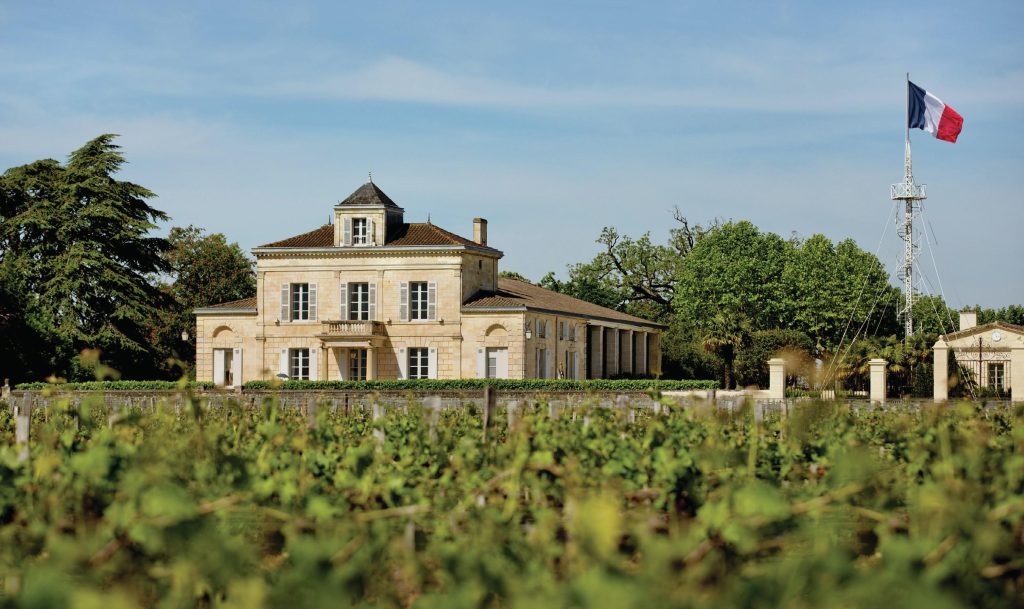
Unlike its many medieval siblings, Château Montrose was conceived in the 19th century and is one of Bordeaux’s youngest crus classés. The estate once formed part of Calon-Ségur, which was purchased by Etienne Théodore Dumoulin in 1778. After his death in 1806, his son (of the same name) recognised the potential of a small sloped plot to the south of the estate – known at the time as La Lande de l’Escargeon. Dumoulin focused tirelessly on clearing the land and planting vines, and though he sold off the larger part of the original property a few years later, he retained ownership of his progeny – renaming it Montrose. (The name’s provenance is uncertain, though it seems to refer to the pink heather that once covered the knoll.)
In the ensuing years, Dumoulin extended the perimeter of the estate and, by the time the chateau was classified as a second growth in 1855, the vineyards spread across 50 hectares. Upon Dumoulin’s death in 1861, however, Montrose was left to his children, who sold it to Mathieu Dollfus.
Dollfus was a businessman and something of a 19th-century maverick. As well as avidly continuing the work in the vineyards and modernising the winery, he offered his workers innovative employment benefits, including profit sharing and healthcare. After his death in 1887, the estate passed to Jean-Jules Hostein of Cos d’Estournel, and then, in 1896, to his son-in-law, Louis-Victor Charmolue.
Phylloxera and war took their toll on the vineyards in the early 20th century, with the estate functioning as an artillery base for German troops during the Second World War. Nevertheless, the Charmolue family restored much of what had been lost, and quality had reached new heights by the turn of the century. Despite their successes, the Charmolues sold the estate to Martin and Olivier Bouygues in 2006. In March 2010, the Bouygues bought 22 hectares from Phélan Ségur, located next-door. In the same period, they began an exceptional renovation project.
Almost a decade on from the monumental renovation works at Château Montrose, let’s take a look at this ‘super second’s’ performance on the secondary market.
In 2023, Château Montrose came in as the eighth most sought-after Bordeaux 500 label, based on the number of bids it received. Among its vintages, the 2005 was the second-most popular, closely behind the 2010 vintage.
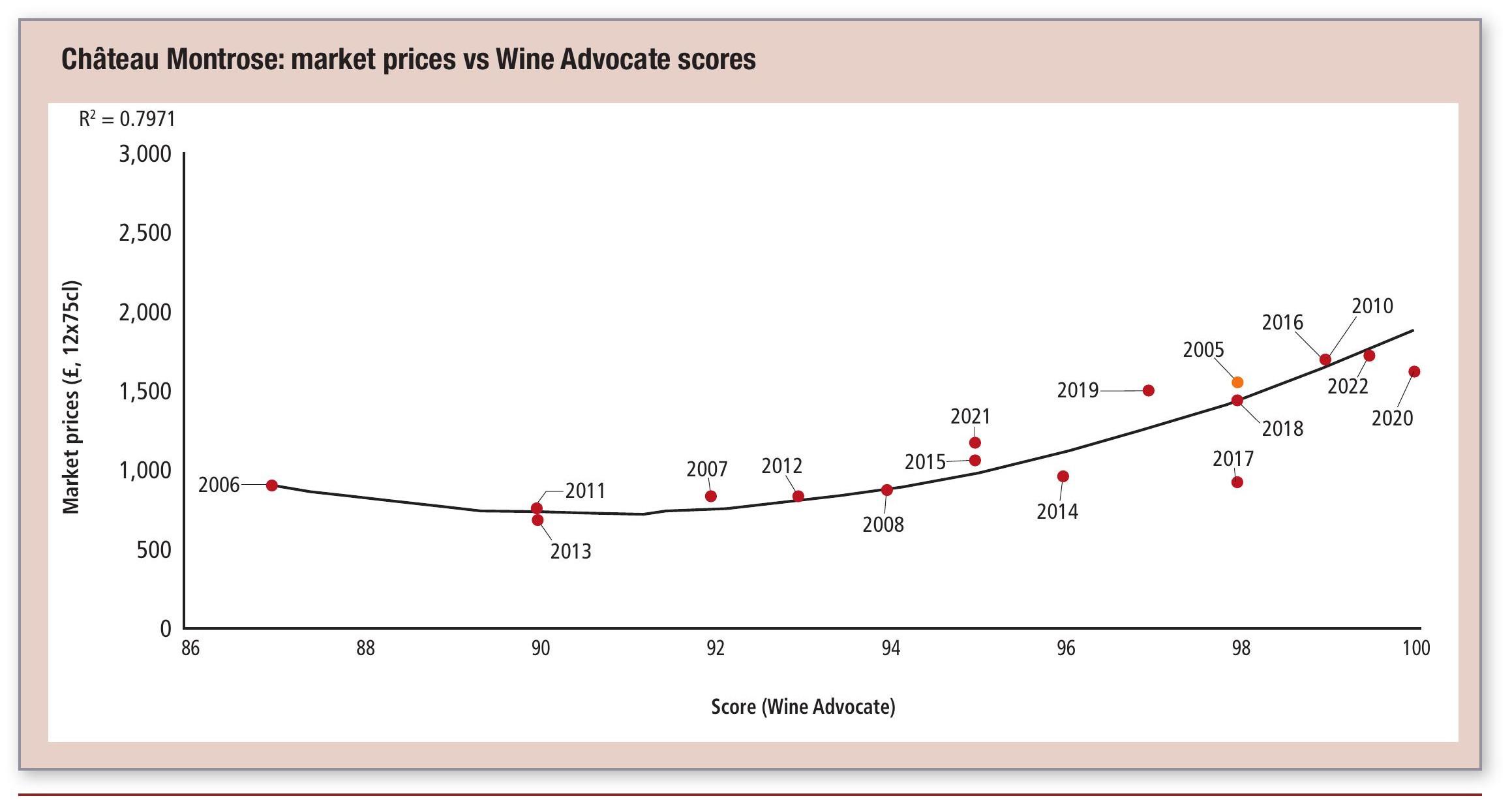
Last year, the label saw considerable interest on the market. In 2023, Montrose was searched for 13,715 times on Liv-ex, surpassing Château Léoville Las Cases, Cos d’Estournel and Château Lafleur. The 2010 vintage attracted the most attention, likely due to its 100-point scores from Lisa Perrotti-Brown MW and Antonio Galloni (although Perrotti-Brown downgraded it to 99 points in her subsequent review for The Wine Advocate). Since its release, the wine has seen its market price increase by 10.6%.
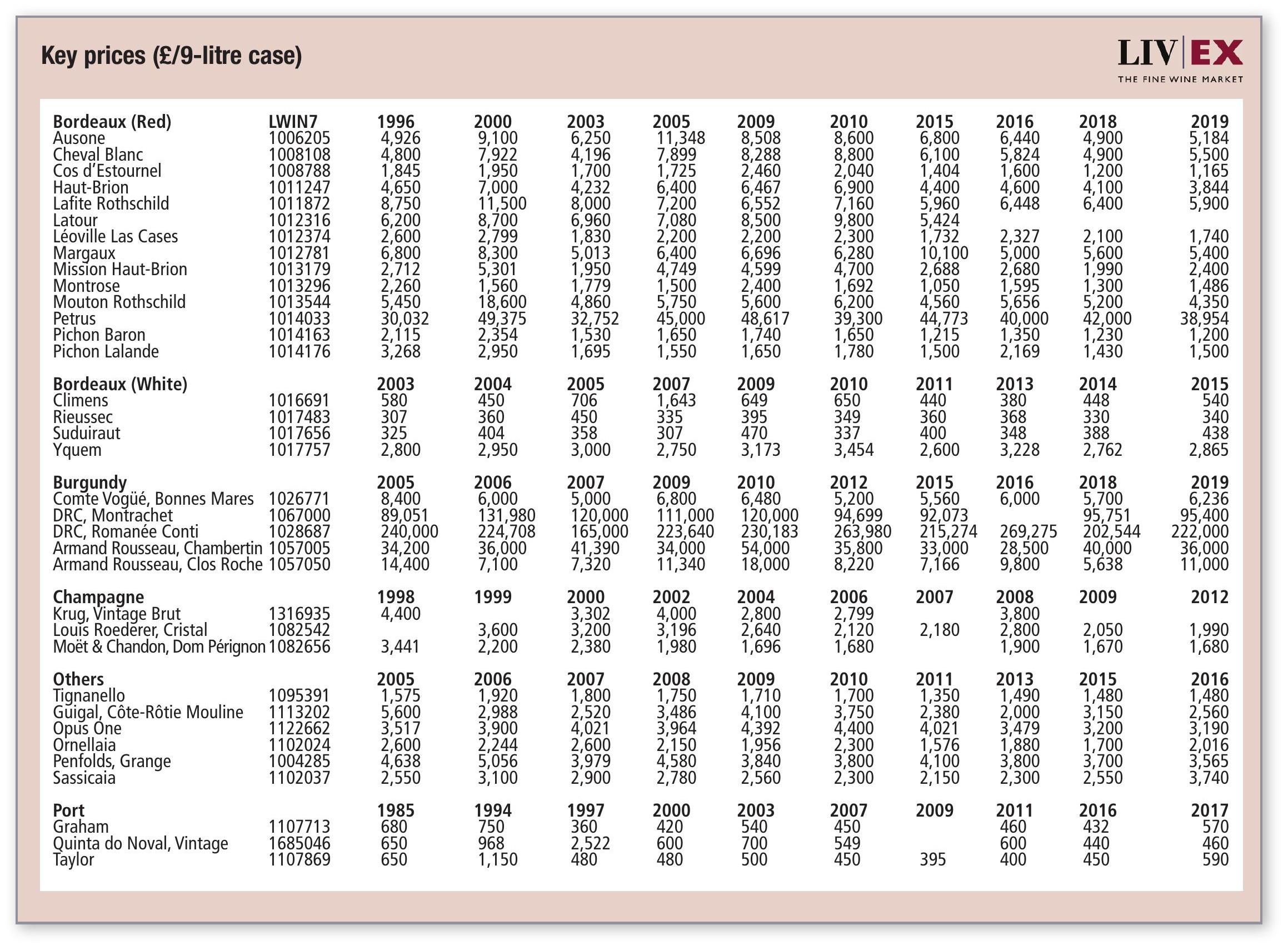
While carrying slightly lower scores of 98 points from both Perrotti-Brown and William Kelley, Montrose 2005 has proved a wise purchase. Released at £635 per case, the wine has seen a steady rise in its price, and is now trading at £1,550 per 12-bottle case. Those clever enough to have bought en primeur will have seen a 140% return.
But what does the ‘fair value’ chart say about the 2005 vintage? Château Montrose market prices are 80% correlated with Wine Advocate scores. At its current market price, the 2005 vintage sits slightly above the ‘fair value’ line. However, its true value becomes apparent when considering its age and quality.
Despite the wine sitting above the ‘fair value’ line, it stands out as one of Montrose’s betterscoring (at least according to The Wine Advocate), well-priced back vintages. While the 2010 and 2009 vintages may boast slightly higher scores, the 2005 comes at a 35.4% discount to the 2009 and an 8.4% discount to the 2010 vintage.
About Liv-Ex
Liv-ex is the global marketplace for the wine trade. Along with a comprehensive database of real-time transaction prices, Livex offers the wine trade smarter ways to do business. It gives access to £81m-worth of wine and the ability to trade with 500 other wine businesses worldwide. It also organises payment and delivery through its storage, transportation and support services. Wine businesses can find out how to price, buy and sell wine smarter at: www.liv-ex.com
Related news
From innovation to gastronomy: why Hungary is having a moment
“The only way to build a wine is by making fewer bottles than the market needs”


