



Ribera del Duero shows its potential with ‘great wines of very differentiated styles’
Winemakers in Ribera del Duero are determined to showcase the area’s potential to craft a range of increasingly elegant and diverse wines from Tempranillo. Richard Woodard reports.
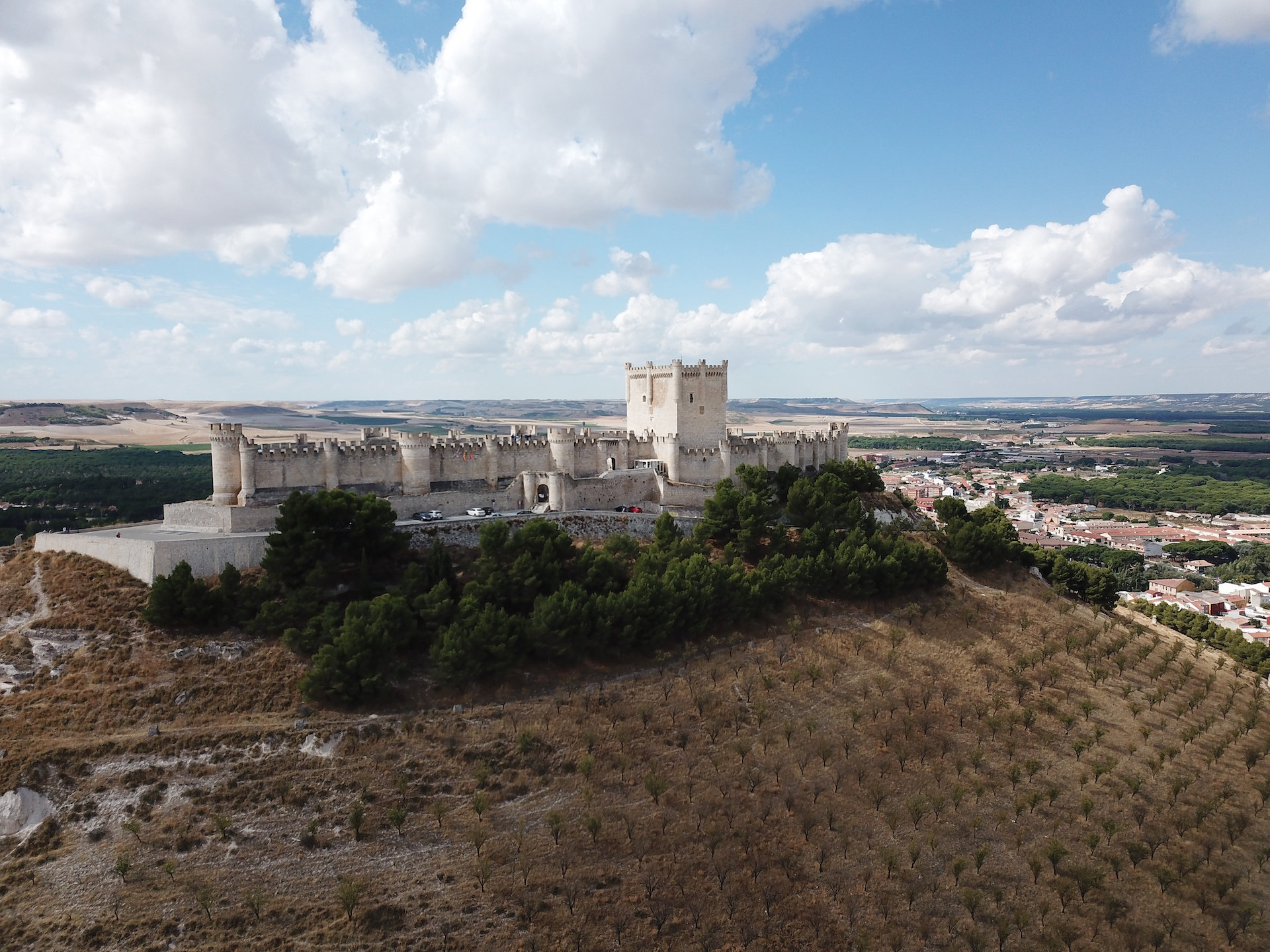
A glance at the facts underpinning the Ribera del Duero DO might encourage thoughts of uniformity or homogeneity. Of its 27,000 hectares of vines, an overwhelming majority (26,000ha) are Tempranillo (aka Tinto Fino or Tinta del País).
There may be smatterings of Cabernet Sauvignon, Merlot, Malbec and Garnacha – and don’t forget white variety Albillo Mayor – but Ribera del Duero is emphatically all about red wine, and red wine made from Tempranillo.
Talk to Pablo Baquera, marketing director of the Consejo Regulador de la DO Ribera del Duero, however, and he’ll tell you that vines are just one of the four pillars that mark out the area’s wines as exceptional.
For a start, there’s the climate: famously hot, dry summers and long, harsh winters, little rainfall and an eyewatering temperature range from 40o C in summer to -20o C in winter.
Then there is the local geology: with vines planted at various altitudes from 720m above sea level to more than 1,000m, more than 30 different soil types have been identified, of which the most common are clay, limestone and stony.
“In Ribera del Duero, due to different soils, plot orientations, age of the vineyards, altitude, use of different varieties, although we have a ‘king’ variety in Tempranillo, different winemaking processes, different ageing … we can offer to trade and consumers great-quality wines, together with a wide diversity,” says Baquero.
And the fourth pillar? The people making the wines in this often wild, inhospitable place – who are responding to the shifting trends prevalent in the global wine market, and highlighting just how well-equipped Ribera del Duero is to react to those changes.
“I believe that, in order for any denomination of origin to be relevant, it must have its own personality to differentiate it from other areas,” says Santiago Frías, president of Bodegas Riojanas, owner of Bodegas Hacienda Miguel Sanz and the Alacer brand.
“In Ribera del Duero’s case, the soil, the climate, the grape variety and the production style give their unique identity to the wines. I think that it is a strong advantage which we must exploit.
“Regarding the Tempranillo variety that dominates this region, I do not believe that, with the diversity of soils and altitudes, there is a lack of diversity in Ribera – on the contrary. Within Ribera del Duero there are great wines with very differentiated styles.”
That’s a view echoed by the many companies that have invested in the region over the past few decades, including Entrecanales Domecq e Hijos, owner of Bodegas Viña Mayor.
“The diversity of soils and microclimates means that we can make different styles of Tempranillo, which is a very plastic, adaptable grape,” says chief winemaker Almudena Alberca MW.
“We do also have other grapes available. Sometimes just a splash of Malbec or Cabernet Sauvignon can make all the difference to a blend, with Malbec providing aroma and freshness, and Cabernet Sauvignon adding structure to the wines.”
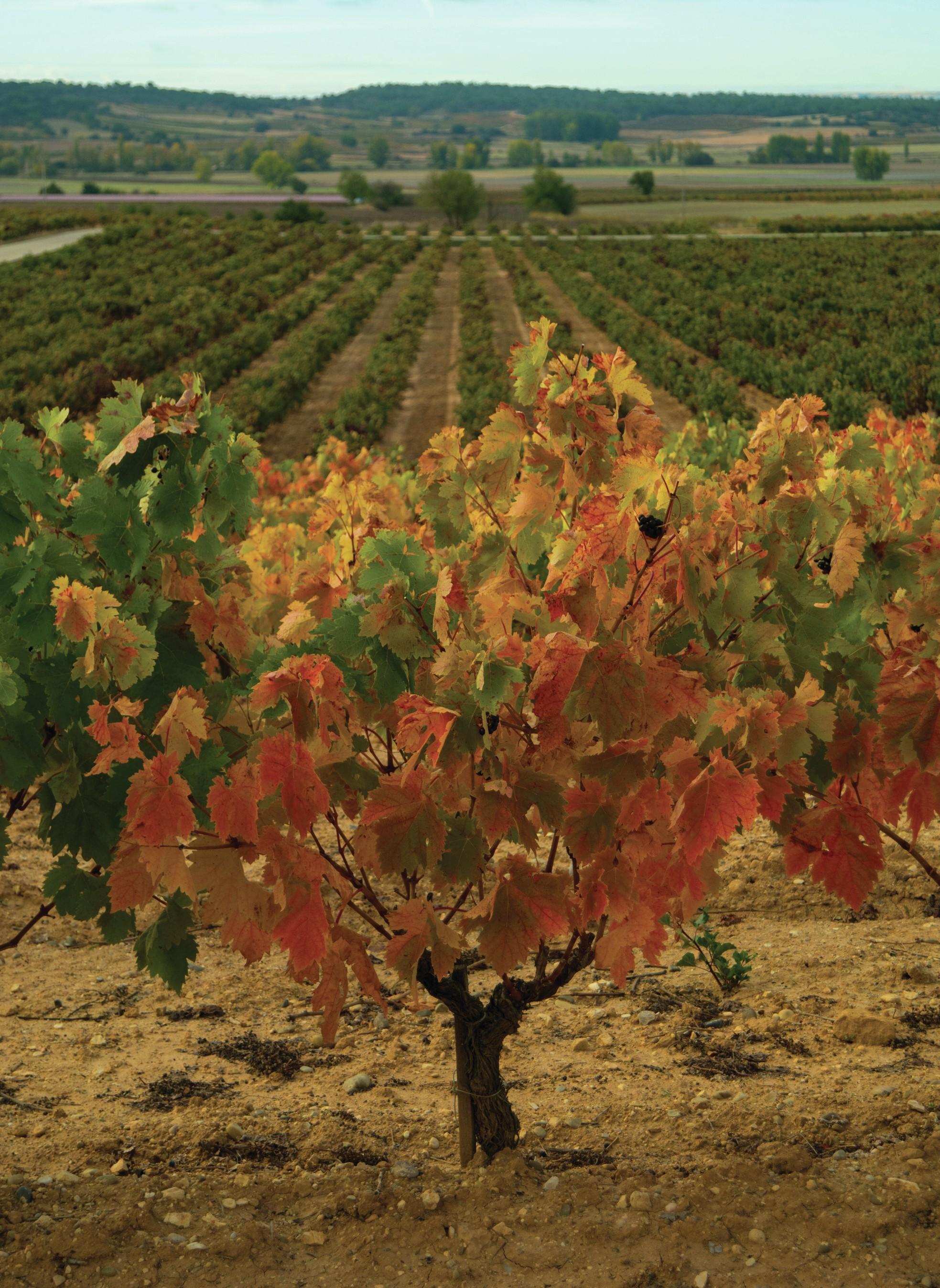
At Bodegas La Horra – Bodegas Roda’s Ribera del Duero venture, established south of Burgos in 2009 and maker of Corimbo – winemaker Miriam Marchena bluntly rebuts suggestions of homogeneity.
“Would you say Burgundy lacks diversity?” she asks. “Tempranillo is an amazing variety, one with many faces, a short-cycle one, that fits the severe continental weather in Ribera like no other. The genetic diversity of the variety is fundamental in the making of great wines. The past, which has developed all that genetic diversity, is the path for the future.”
If accusations of a lack of diversity in Ribera del Duero are unfair, part of the explanation for their persistence might lie in historic winemaking techniques, which tended to favour ripeness, extraction and oak over freshness and terroir expression. If these were a response to changing fashions, the dial has now shifted once again.
ELEGANCE AND FLUIDITY
“People are currently demanding wine that is less heavily oaked, where the varietal fruit aromas are still in balance with the oak content,” says Marian Santamaría, winemaker at Dominio Fournier.
“Extraction is not so important any more, meaning the wine gains elegance and fluidity, and is more rounded on the palate.”
“There is a general trend towards more subtle and ‘hedonistic’ wines, where elegance is more important than extraction and power,” agrees Juan Ramón García, winemaker at Torres-owned Pago del Cielo.
“Besides Celeste Crianza and Reserva, we are preparing the launch of a new, extremely elegant icon wine of very limited production, based on carefully selected old vines.”
When it comes to sculpting wines of different styles, this is where Ribera del Duero’s contrasting soil types come into their own, García believes. He compares the limestone soils around Valladolid – bringing elegance and subtle tannins – with clay in Burgos giving structure and depth, and then sandier land near Soria.
“Our Celeste Reserva wine comes from the limestone slopes in the Valladolid area, from very special parcels in Pesquera del Duero and [just to the north] Piñel (known as El Obispo and Santa María), and these make a very elegant, fine wine,” says García.
“In all our tastings to wine professionals, we put a special focus on explaining the soils and how these impact the wines. The communication to consumers doesn’t go into so much detail – the information provided on the back labels is much simpler.”
As oenological adornments are increasingly stripped away, the region’s wines are now able to express their origins with more clarity. Alma Alacer, a new 1,200-bottle release from Hacienda Miguel Sanz, is designed to “reflect and translate the pure essence” of the locale of Vadocondes in Burgos province, says Frías.
He continues: “For this challenging project, we selected two of our flagship, high-altitude vineyards located at more than 900m above sea level, Las Hontanillas and Los Hoyos. These are bush-trained, 40-year-old, low-yielding vines with a high density per hectare, which contributes to the natural balance.”
Alma Alacer ’s winemaking aims to support, rather than mask, this expression of terroir. The wine is made using the ‘trasnocho’ free-run technique, slowly ‘bleeding’ the juice off the skins, drop by drop, into French oak barrels, where it will remain for 16 months.
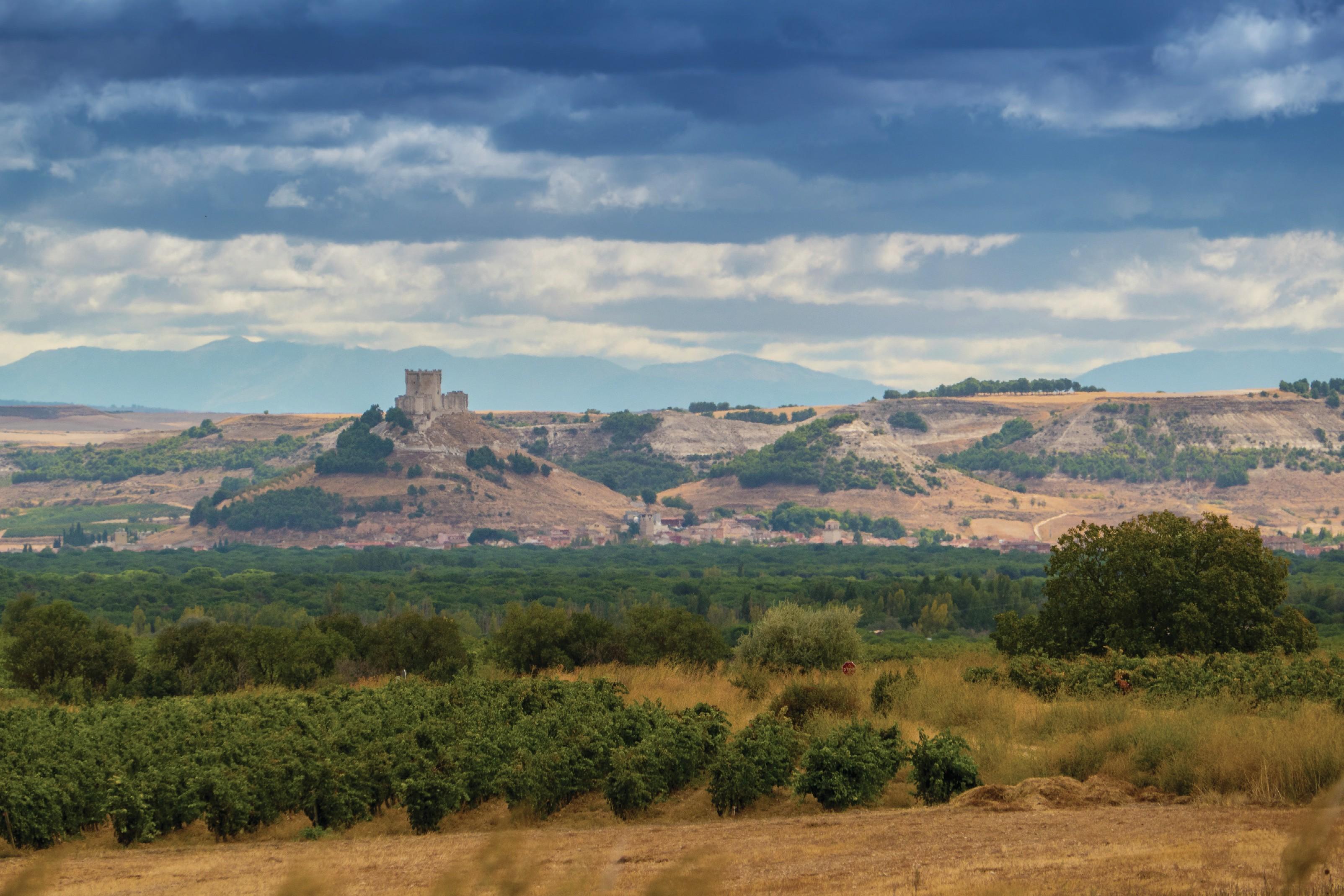
At Viña Mayor, Secreto 2019 combines fruit from more than 40 Tempranillo vineyards of at least 60 years of age, and at altitudes of more than 900m – covering the three main soil types of limestone, clay and sand.
“We recently added two new wines to the Secreto range: Secreto 2 and Secreto 3,” says Alberca.
“The first reflects the delicacy of vineyards in Soria, the highest-altitude area of the DO Ribera del Duero, with vines of more than 80 years of age, at an altitude of more than 950m. Secreto 3 reflects the power of Burgos, where 80-year-old vines grow on clay and sand soils at 900m. Our aim is to show the diversity of the region.”
This heterogeneity of soil types is overlaid with the genetic diversity of Tempranillo.
Bodegas La Horra has identified more than than 200 clonal variations of the variety – mirroring Bodegas Roda’s similar work in Rioja – which it aims to preserve and exploit in each new vineyard it plants, with the overarching aim of “making wines that reflect their landscape, show freshness and capture the vintage”, says Marchena.
But, as this increasingly mature region finds new and better ways to express its distinctive character and diversity, the shadow of climate change is clearly seen in a volatile run of recent vintages (see box at the bottom of this feature).
For Santamaría: “All the changes we introduce in terms of viticulture should be geared to how we deal with the climate change that is already happening. We need to get used to shorter cycles and, inevitably, earlier harvests.”
Pago del Cielo is introducing regenerative practices to increase organic matter in the soil – similar to Familia Torres’ ecological efforts in Catalunya – while Viña Mayor has planted 4ha of Garnacha near its winery in Quintanilla de Onésimo.
“As Garnacha is drought-resistant and has a longer cycle and lower pH, we see it as an interesting variety for the future,” says Alberca.
For García at Pago del Cielo, the ultimate aim is to produce wines that reflect the character and personality of Ribera del Duero.
“When you drink a glass of wine from Ribera del Duero, it should transport you to this specific region, so that you understand its essence,” he says. “Wines must speak of the region from which they come.”
Matchmaker: What to pair with Ribera del Duero wines
The cliché about Ribera del Duero wines and food is that these are big, gutsy wines for big, gutsy dishes – but the truth today is rather more complex. Below, the drinks business asks winemakers and sommeliers for their top pairing suggestions, from counter-intuitively subtle matches to more traditional recommendations.
“Our Celeste Crianza and Celeste Reserva are gastronomic wines and good matches for the local cuisine, whose speciality is the ‘lechazo’ (suckling lamb), meat stews, and also jamón and other cured meats. But the pairing possibilities for Ribera del Duero wines are expanding, so they are now much more versatile. I would happily drink a Celeste Crianza with paella or tuna steak, for example.” Juan Ramón García, winemaker, Pago del Cielo/Torres
“I try to make red wines with a fresher profile and softer tannins, that don’t need a big piece of red meat to render them palatable. For example, I often recommend serving our Viña Mayor Roble from DO Ribera del Duero with local dishes of lentils or beans cooked with a little chorizo or vegetables.” Almudena Alberca MW, chief winemaker, Entrecanales Domecq e Hijos/Bodegas Viña Mayor
“I believe that Ribera del Duero does not lack complexity – actually the opposite, considering the several ageing designations from as little as 24 months of oak ageing to a minimum of five years. Boltardy beetroot and apple pinwheel, smoked goat’s cheese, toasted walnuts and oxalis – this, created by Galvin at Windows’ head chef Marc Hardiman, is a fresh, cold starter that can match the flavours of a young Ribera.” Rudina Arapi, head sommelier, Galvin at Windows/Hilton Park Lane
“Typically, a Ribera del Duero wine has body and structure, making it intense on the palate, which is why it is popular to drink with substantial, slightly fatty food such as wood-fired roast lamb and high-quality cured meats such as Ibérico ham. It’s also good with hard sheep cheeses, and a glass of Dominio Fournier with a piece of plain dark chocolate also really works.” Marian Santamaría, winemaker, Dominio Fournier
September rains rescue 2023 harvest
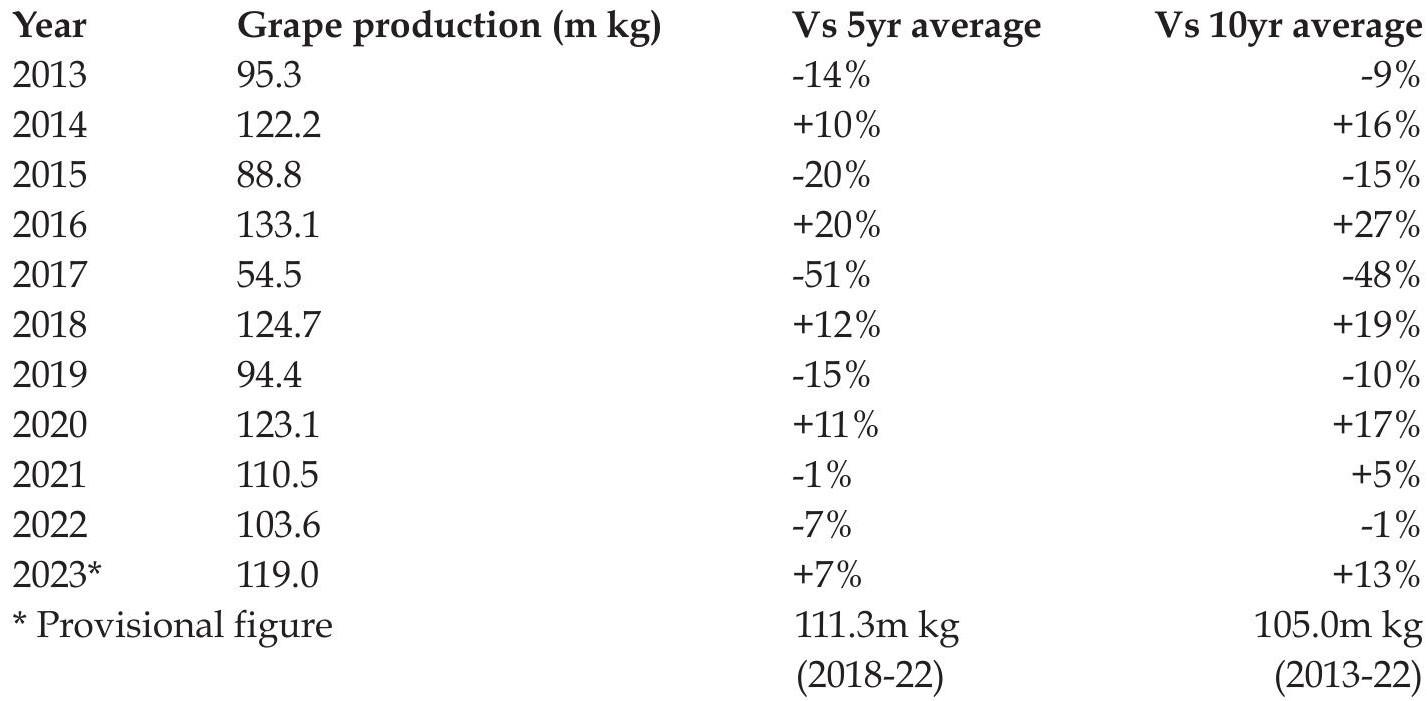
The erratic climate has made for a volatile run of vintages in Ribera del Duero, with harvest quantities varying from less than 55 million kg to more than 130m kg over the past decade.
“As with much of Spain, Ribera del Duero has faced the challenge of changing weather patterns and more extreme summer conditions,” says Richard Cochrane, MD of Félix Solís Avantis UK/Pagos del Rey. “The decline in yield in 2021 and 2022 illustrates this, and 2023 would have followed this trend had it not been for the mid-September rains.
In volume terms, the harvest was in line with the initial estimates of the Ribera del Duero DO’s Consejo Regulador, according to marketing director Pablo Baquera, who says: “Qualitatively speaking, and in contrast to what happened in the 2022 harvest, which was very uniform in its final development from a climatic point of view, the 2023 harvest will be remembered for the high rainfall in the first half of September and the high temperatures reached from the middle of the month – aspects that clearly favoured the plants to finish the alcoholic and phenolic ripening processes correctly. The grapes harvested were of high quality, in terms of balance between the degree of baumé, total acidity and pH, and from a sanitary point of view.”
Related news
Queen Camilla gives speech at Vintners Hall
Sotheby's to offer wine cellar of New York sculptor Joel Shapiro
Will the new EU free trade agreement open up India to fine wine?


