



The rise of Spain’s single-vineyard appellation
Spain is upping its single-vineyard credentials under the Vinos de Pago DOP and Grandes Pagos bodies, reports Roger Morris.
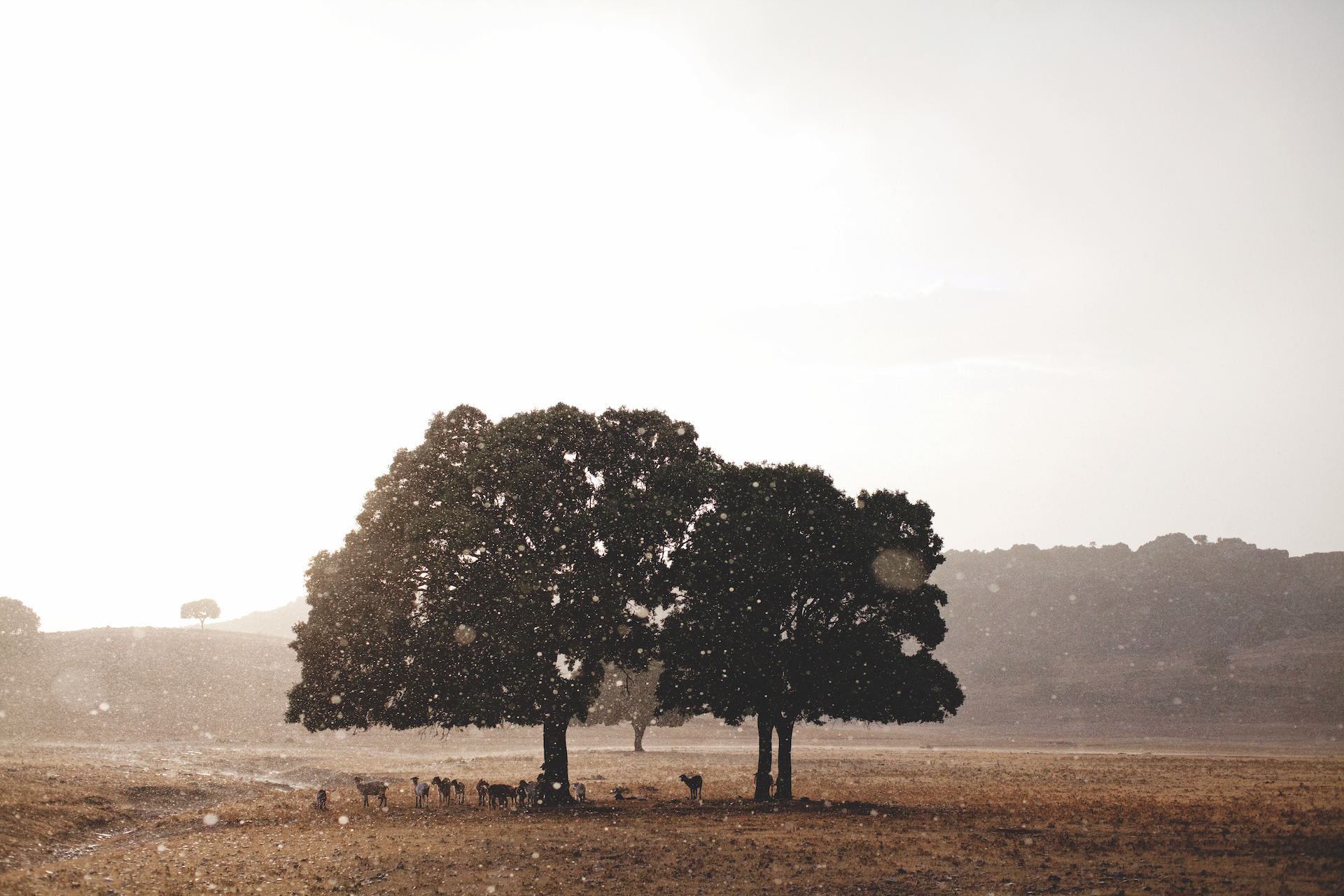
AT FIRST glance, these six wineries have little in common, other than being Spanish.
Bodegas Fillaboa makes white wines along the Miño River in rainy Rías Baixas. Mas Doix cultivates mainly old vines in Priorat, while Cortijo Los Aguilares is still trying to discover which grapes grow best along the Mediterranean coast near Málaga.
The Alonso del Yerro and Abadía Retuerta wineries are not that far apart in terms of kilometres, but the former sits within Ribera del Duero, while the latter falls just outside that appellation – but recently received its own DOP. Vallegarcía is tucked away in the Montes de Toledo.
However, one thing they all have in common is Spain’s new-found love of vineyard-specific wines, as the country has begun to viticulturally diversify away from blending wines from multiple locations.
The driving instrument behind this movement is represented by a single, short word – “pago” – but the process has not been without confusion, complications and indeed limitations.
For those wine lovers who consider the concept of terroir almost like a religion, nothing is more sacred than a single, discernible plot of ground planted to vines. Whether we call it a “cru”, a “clos”, an “estate” or something else, it refers to a solo plot of land where grapes are grown.
Spain in recent years has taken this single-vineyard concept to a new level by creating a countywide appellation dedicated exclusively to single-vineyard winemaking, within its DOP system of qualifying wines.
At the top of Spain’s appellation pyramid are a handful of wines designated as Vinos de Pago, regardless of where in Spain that single-vineyard winery is located.
This new designation was put into law in 2003, but the concept originated with a small group of serious wine producers who found themselves isolated in Castilla-La Mancha, the huge winegrowing region in the centre of Spain, because all of them were located outside major winegrowing appellations.
GREATER RECOGNITION
“In the beginning, we were five wineries that were recognised for great quality within our regions, but we weren’t located within any particular appellation,” says Adolfo Hornos, winemaker at Vallegarcía, a 40-hectare estate in the Montes de Toledo that annually produces about 100,000 bottles, mainly blends of Bordeaux varieties.
This meant that the wines were classified as ordinary table wines. So, in 2000, the five producers (the others are Marqués de Griñón Pagos de Familia, Finca Élez, Calzadilla and Dehesa del Carrizal) banded together to form a private group called the Grandes Pagos de Castilla as a way of gaining greater recognition and better market prices.
“We also worked with the government to promote a new law,” Hornos says and, two years later in 2003, Spanish regulators placed the single-estate category, Vino de Pago, at the highest level of the DOP (Denominación de Origen Protegida) classification.
The legislation also contained a provision which allowed wineries which included the word “pago” in their names before 2003 to continue to do so.
This development presented members of the original Castilla group with a choice – become individual Vinos de Pago wineries within the official designation, or continue operating as an organisation of single-vineyard sites, honouring the group’s existing quality standards.
Grandes Pagos de Castilla decided to go nationwide, even though some of its new members would be limited in how far they could officially describe themselves as “pagos”, despite being so by definition.
One year later, in 2004, the organisation renamed itself Grandes Pagos de España and quickly expanded its membership to 12 wineries, with the lion’s share located outside Castilla.
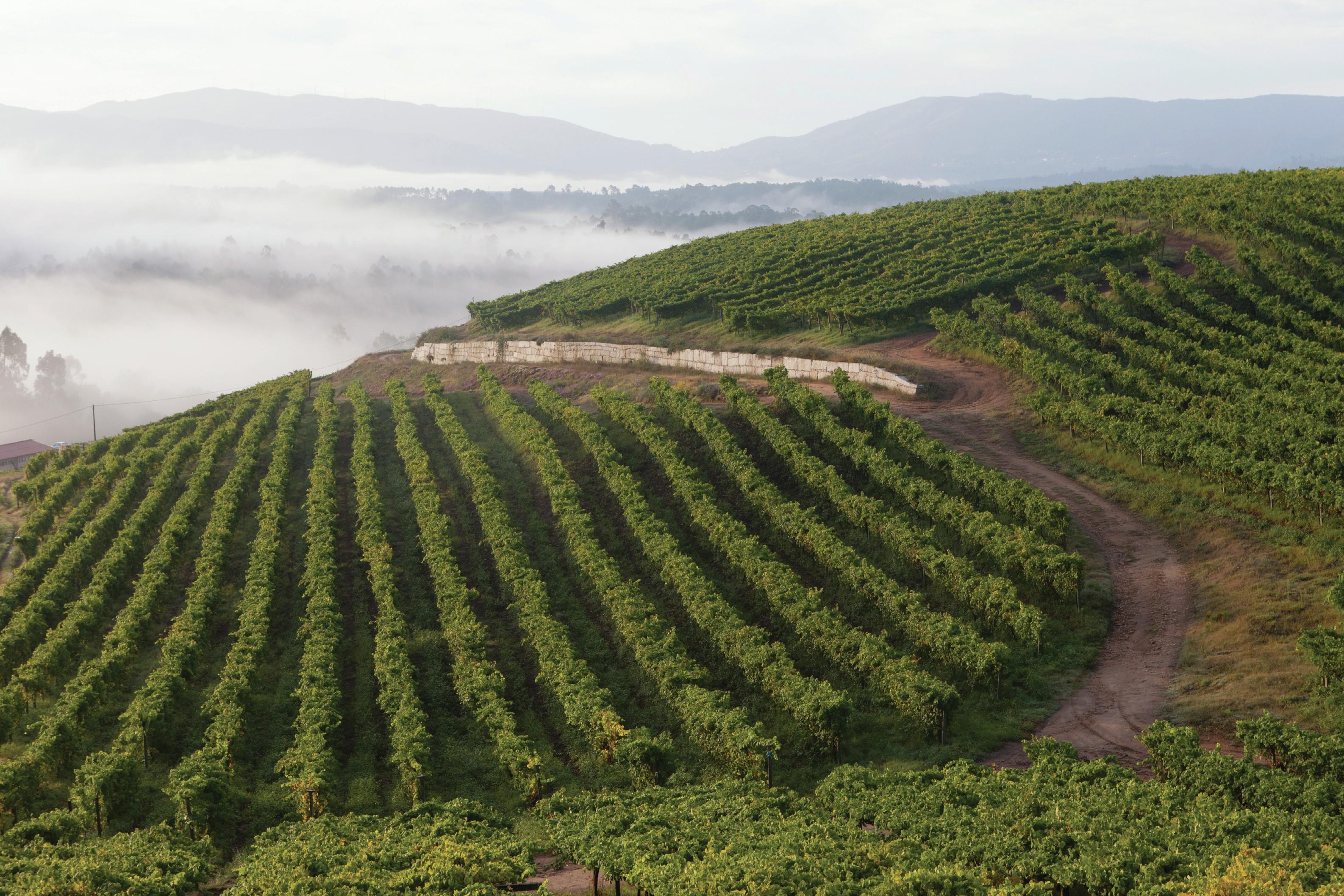
Single and ready to mingle: Fillaboa’s vineyard in Rías Baixas
Understandably, having an elite group of wineries that are officially designated as Vinos de Pago, and having a smattering of other wineries, some of them not Vinos de Pago, that are claiming membership of a separate private organisation, Grandes Pagos de España, has caused some confusion.
As Grandes Pagos president María del Yerro says: “Not every Vino de Pago is a member of Grandes Pagos, and vice versa.”
As a result, those Grandes Pagos members who have not attained the official Vino de Pago designation stamp must officially identify themselves according to a traditional Spanish DOP designation. For example, del Yerro’s own winery, Viñedos Alonso del Yerro, on its label lists its origin as Ribera del Duero, where it is physically located.
At the moment, there are 23 official DOP Pagos located in four regions – 12 in Castilla-La Mancha, four each in Valencia and Navarra, and three in Castilla y León.
Eight of these 23 are also members of Grandes Pagos, which currently has 35 member wineries across Spain that are 100% single estate and are relatively small producers.
Three of these make 3,500 cases of wine (or less) annually, 17 produce less than 16,000 cases, and 15 make upwards of 16,500 cases annually.
Collectively, the 35 member wineries farm around 5,357 hectares and produce about 5.4 million bottles of wine per year.
There are 60 different grape varieties – 28 red and 32 white – planted among the vineyards of the 35 wineries, which gives some idea of the enormous scope and diversity of winemaking involved.
Grandes Pagos insists that its requirements are more rigorous than those of the official DOP.
“Our members have to have been on the market for at least five years and have received high scores from the critics,” says del Yerro.
For membership, they must also create a dossier including soil analysis and have their wines pass a blind tasting by experts.
Abadía Retuerta is one of the best-known of the organisation’s unofficial pagos, both for the quality of its wine and for its luxury spa and hotel. As was the case with Vallegarcía, Abadía’s frustration at being just outside Ribera del Duero led it to seek membership of Grandes Pagos, according to education director Álvaro Pérez.
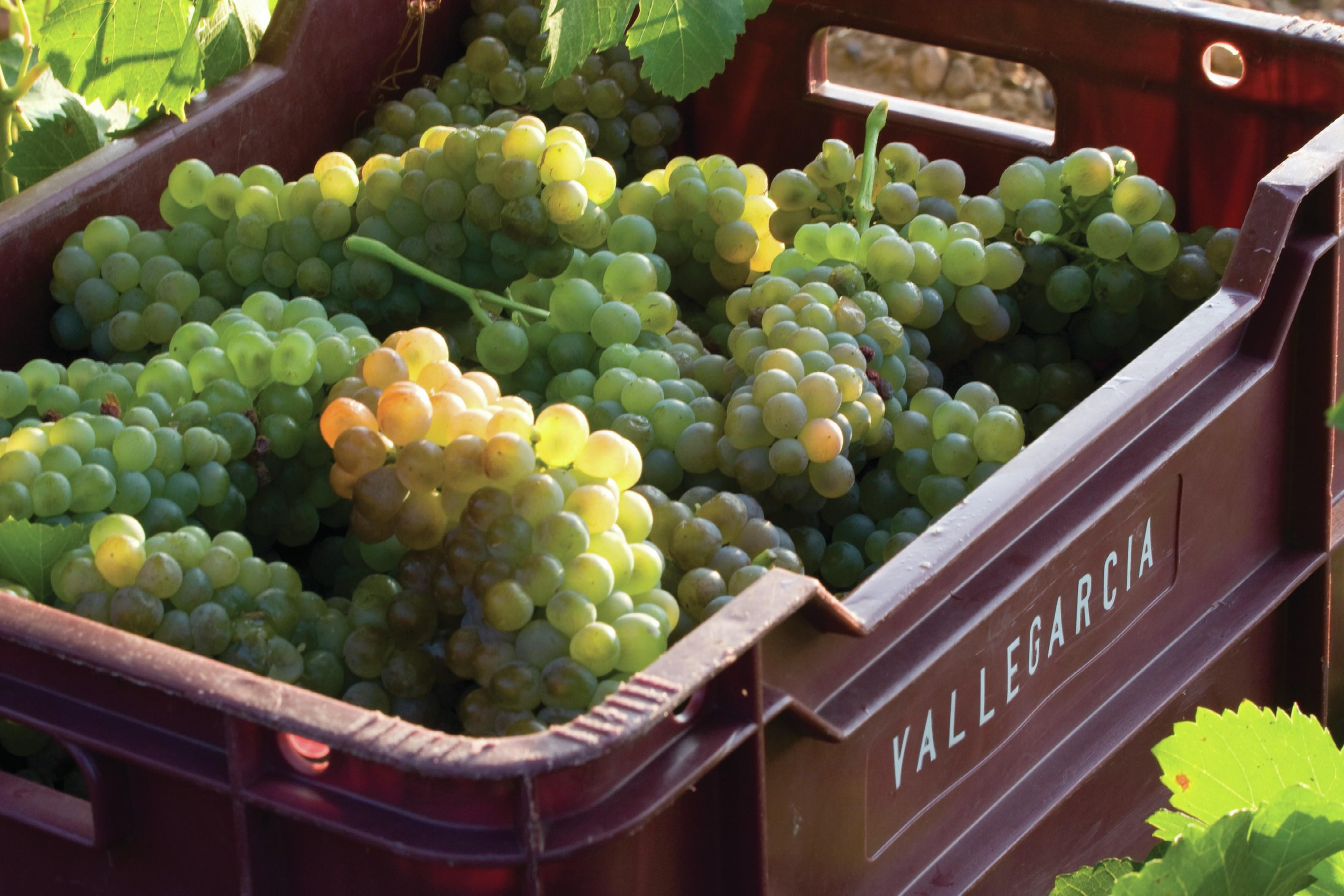
Choice pick: Viognier at Vallegarcía, Montes de Toledo
“We have a 700ha property that I describe as a forest with some vineyards,” Pérez says. The estate grows Tempranillo, just as wineries do in Ribera. “We asked if they could extend their border for us,” he adds, “and they told us gently that they couldn’t do that.”
So, not only did Abadía join Grandes Pagos, but last year it also became a DOP Vino de Pago, an achievement some other Grandes Pagos members would like to duplicate.
When it made its decision to grow countrywide, Grandes Pagos began actively seeking qualified new members. In 2010, it approached Mas Doix, which harvests about 100,000kg of mainly oldvine Garnacha in Priorat, according to cofounder Valentí Llagostera.
“We had been making wine since 1995 and were known for our quality,” he says, “so we really didn’t have to make any changes to join. Of course, at that time they were looking for people to come in. Now, it is much tougher, and there are lots of people who would like to join us.”
Still, Mas Doix was happy to seek membership.
“The benefit for us,” Llagostera continues, “is that we are part of an organisation known for putting quality and terroir first.”
For Bibi García, attaining membership of Grandes Pagos for her winery was a bit more rigorous. In 2007, she arrived as technical director at Cortijo los Aguilares, located in Serranía de Ronda near Málaga, having previously worked with very old vines in Priorat.
“Phylloxera came to the region early through the Málaga port,” she says, and the region was slow to rebound, for years making primarily sweet wines. “We were like a New World region on the coast of the Mediterranean,” García adds.
Founded about two decades ago, the winery originally included a number of grape varieties in its vineyards and, surprisingly for such a warm region, made its initial reputation with prizewinning Pinot Noir.
“We were invited to join Grandes Pagos,” Garcia says, “but it took us three years before we qualified to get in.” This was the case even though, she says, the winery’s standards are perhaps higher than either Grandes Pagos or Vinos de Pago.
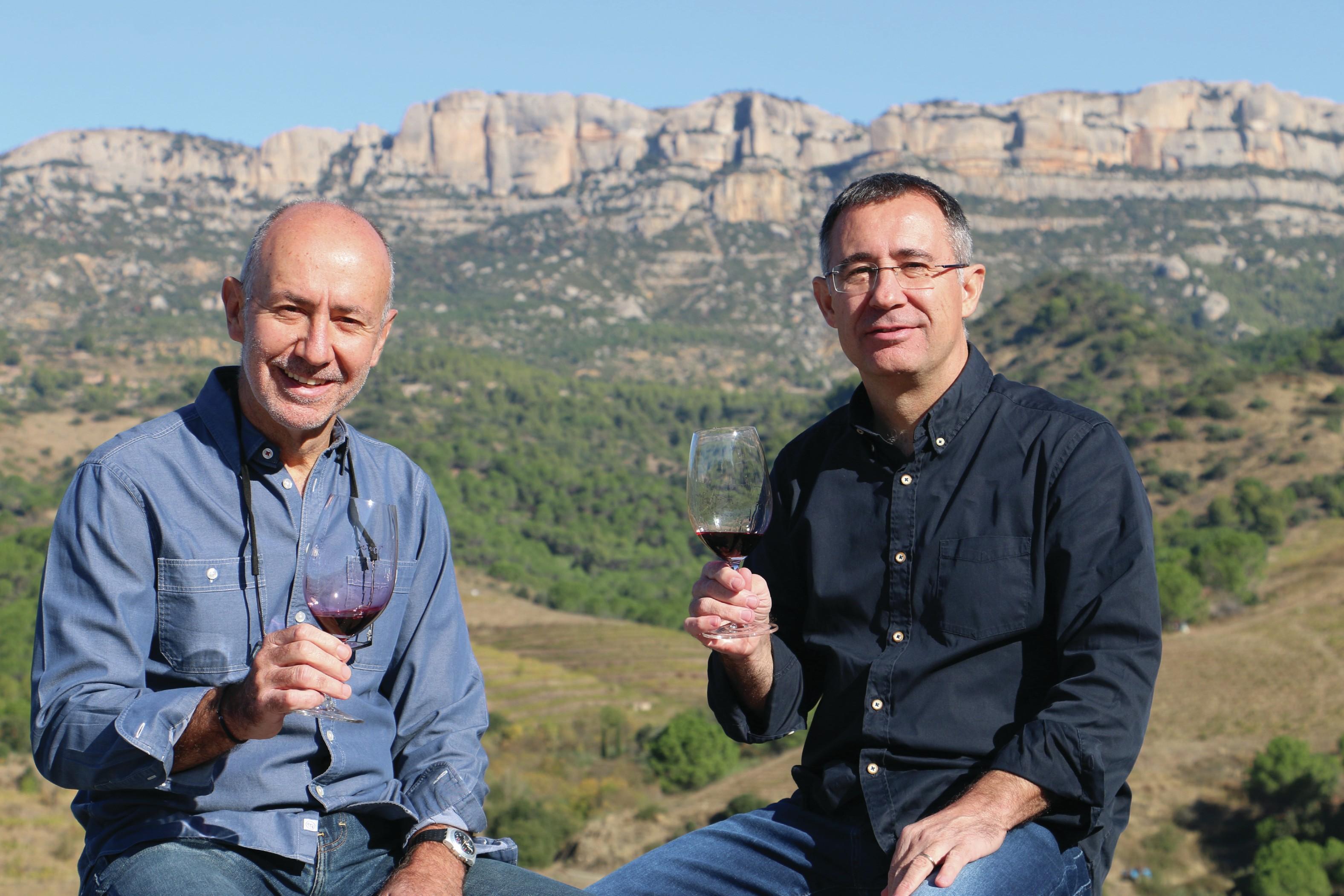
Club members: Mas Doix co-founders Valentí and Ramon Llagostera
Vallegarcía’s Hornos explains that, while the organisation has actively recruited potential members, “we’ve had to turn some of them down”. After a winery goes through the rigorous application process, it still has to receive unanimous approval from existing members before it can join.
Even current members are required to submit wines annually for blind tastings conducted by a board of sommeliers, wine media and other experienced judges.
“If a member ’s wine is found to not be of sufficient quality because of an accident or a poor vintage, we give them the chance to make changes and reapply the following year,” Hornos says.
He also notes that Grandes Pagos members participate in twice-per-year technical conferences, in subjects ranging from advancing wine tourism to fostering trade and consumer education. At the time of writing, Grandes Pagos is conducting a multi-city “Terroir Workshop” in the US to explain its singlevineyard approach.
At the same time, García and her colleagues emphasise that Grandes Pagos is not a sales and marketing body, although it uses education to raise its profile in the marketplace.
“There is great synergy among the members,” García says, referencing a networking system that allows members to share information about all aspects of winegrowing and wine marketing.
Membership does not, however, serve as a guarantee for members to charge high prices for their wines. While wines from Abadía Retuerta and Mas Doix retail for more than US$100, even selling for as much as US$200 per bottle, Vallegarcía, with its added Vino de Pago ranking, sells its wines for around US$40 or less per bottle – a good price in Spain but a relative bargain in export terms.
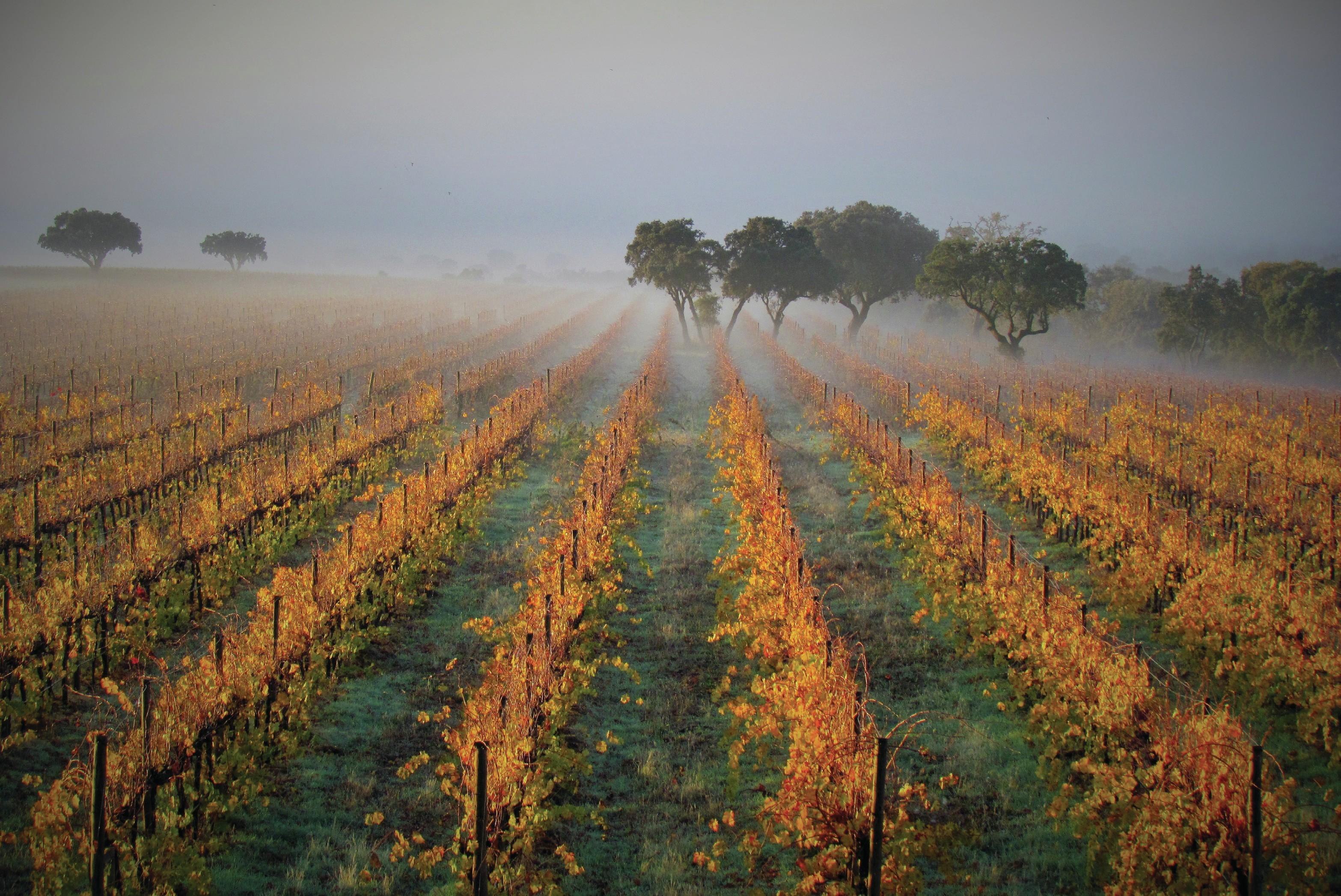
Sense of place: Vallegarcía mainly produces blends of Bordeaux varieties
Yet the desire to be a quality single-vineyard producer remains strong. In 2004, Isabel Salgado, the winemaker at Fillaboa in Rías Baixas, claimed that in terms of quality, Fillaboa was “a true clos” that used only grapes from its own 54ha of vines.
Almost 20 years later, has membership to Grandes Pagos helped to justify that evaluation?
“Yes,” Salgado says, “because we all believe in quality and in single vineyards. We all have a lot in common and do tastings together in Madrid and elsewhere.”
But Salgado points to a frustration that Fillaboa and others have with the official Vinos de Pago classification.
“I would love to have Fillaboa become a Vino de Pago, but the government of Galicia will not allow wineries here to become one.” Indeed, as noted earlier, at present only four regions of Spain have wineries holding the official Vinos de Pago designation.
Moreover, Salgado says, she cannot even mention membership of Grandes Pagos on her wine labels.
CHANGING FOR THE BETTER
But, in spite of these variations and prohibitions on the use of the Pago designation, Grandes Pagos members believe that Spain’s attitude to fine wine is changing for the better, and that the organisation will continue to be a key part of that change.
“We want to attract other wineries in Spain who will benefit, like we have, from the exchange of knowledge about vineyards, oenology, everything,” del Yerro says.
“We don’t have a limit on the number of members we can have. Now we have 35 members, but 50 would be even better.”
Mas Doix’s Llagostera declares: “We have been one of the engines of change in Spanish wine drinking.”
Holding up a clear tumbler of water, he continues: “Twenty-five years ago, wine drinking was about just swallowing what you have in your glass.”
Next he brandishes a modern, stemmed wine glass before adding: “Now, when we drink wine, we are thinking about the concept of place.”
Related news
Ireland’s alcohol consumption continues to plummet


