



A question of balance: Port makers branch out into table wines
Port producers are increasingly moving into table wines as an additional revenue stream. Roger Morris investigates how brands are juggling the two categories.
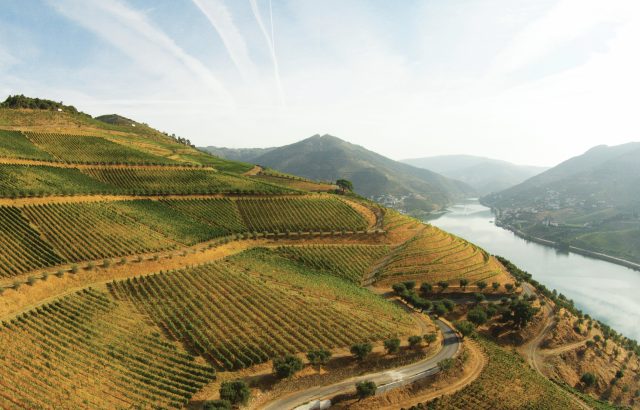
Following two decades of making major changes in their business models to keep pace with the changing global marketplace, Port producers may now be on the cusp of a new golden era.
According to Research Dive, between 2021 and 2028 Port revenues will enjoy a compound annual growth rate (CAGR) of +6%, on track to reach US$1.025 billion in by 2028. Future Market Insights is even more optimistic, predicting an 8.1% CAGR over the next 10 years to reach US$2.011bn by 2032.
The first 20 years of the current century saw Port volumes go down, but value shoot up. New products, such as rosé Port and pre-mixed cocktails, were introduced, while other product categories, such as age-dated tawnies and old colheitas, rose rapidly in both volume and value. As the labour market tightened, wineries became more mechanised, and new environmentally-friendly facilities were constructed. For most Port houses, increased production of table wines became a welcome income stream.
Today, the Port business finds itself facing several opportunities and challenges that may determine whether those rosy CAGR predictions will indeed come true. There is widespread agreement among Port producers on some of these topics while, on others, there is controversy.
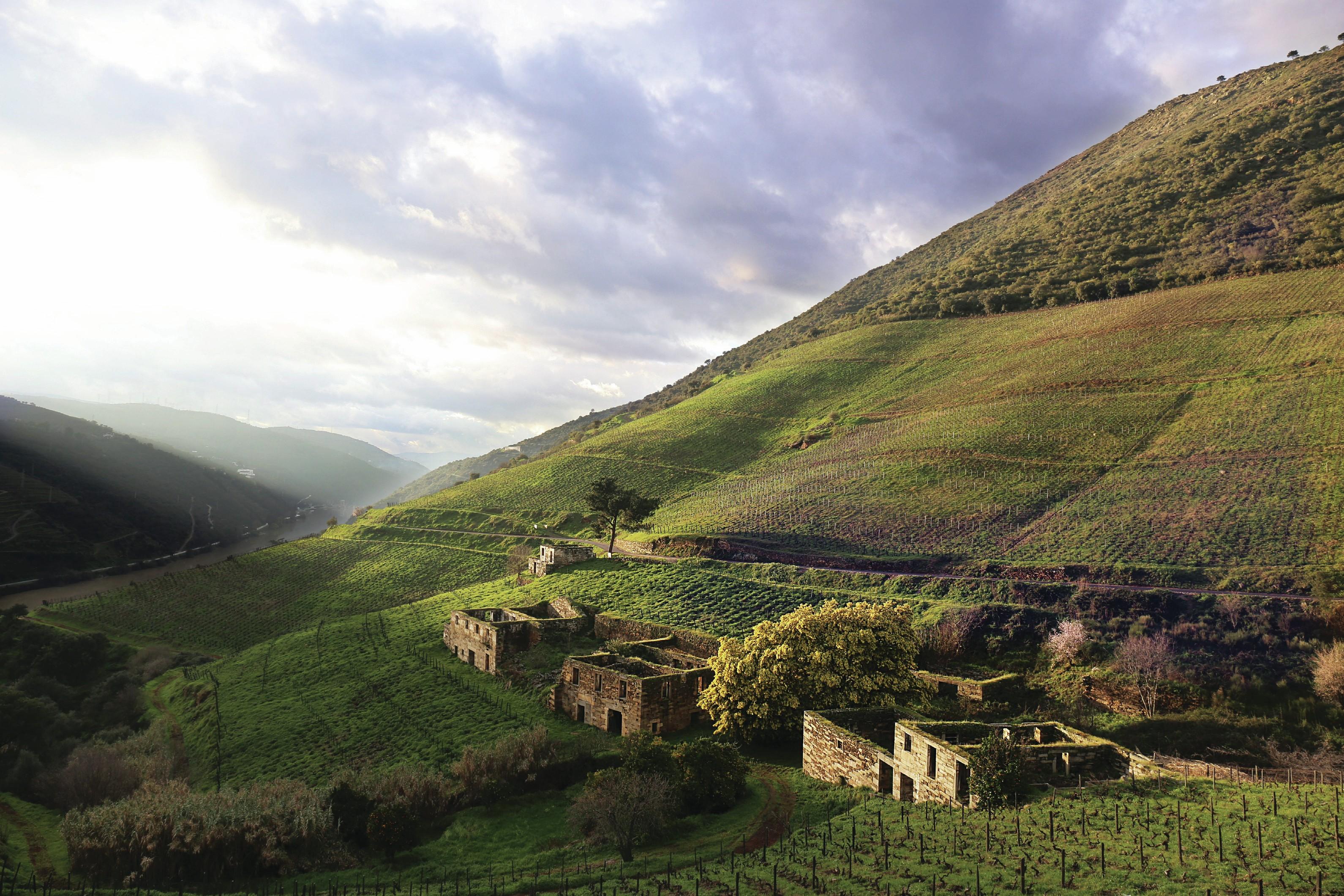
The fact that Port revenues have continued to rise while volumes have declined shows that premiumisation of Port is an established fact. But will this trend continue?
“I believe quality Port will continue to grow,” says Adrian Bridge, CEO of The Fladgate Partnership, whose primary brands are Taylor’s, Croft, Krohn and Fonseca. “It’s aspirational and is growing in markets around the world.”
The single biggest market driver, according to Rupert Symington, CEO of Symington Family Estates (Graham’s, Dow’s, Warre’s, Cockburn’s), is tawny Port, with people“ trading up to older tawnies”, he says, adding: “We’ve taken a leaf out of the Scotch marketing book by doing a line extension to include dated tawnies.”
Tawny sales increased by 70% in value over the last decade to US$13.1 million in 2022, and last year the IVDP governing board approved a 50-Year-Old Tawny designation.
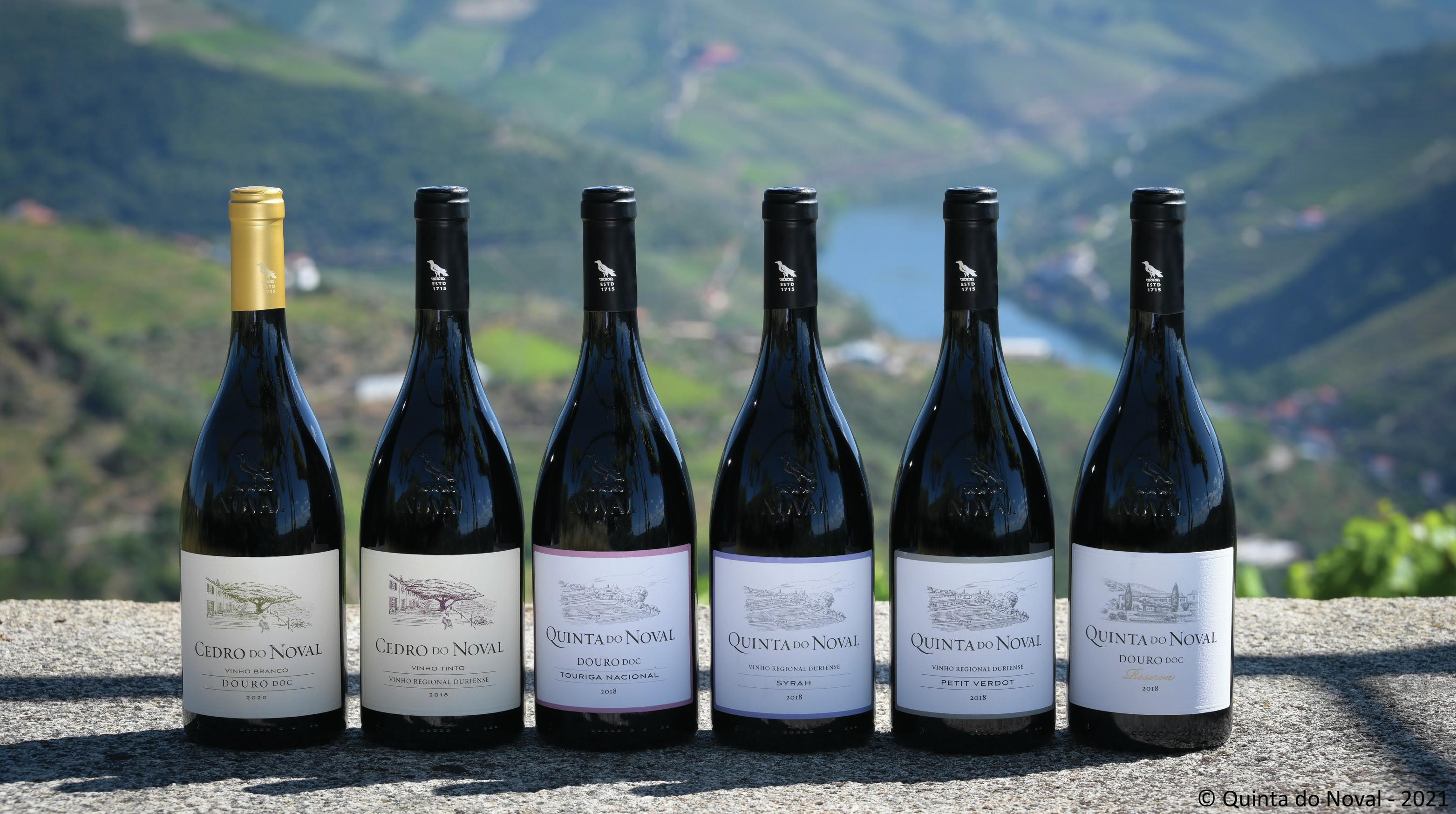
“Colheitas are another positive sales trend,” notes Christian Seely, managing director of AXA Millésimes’ properties, including Quinta do Noval. “We have a much higher production of colheitas now.”
Several houses are venturing further into the Port cocktail market, with ready-to-drink premixes nestled in the lighter 5.5% ABV range and designed to entice a new generation to drink Port.
‘It seems like it’s in our DNA to have too many Ports,” says Dirk van der Niepoort, whose family-owned line of Niepoort Ports has grown to about three dozen different labels. Niepoort also helped to launch the Douro Boys table wine collective 20 years ago.
Symington’s 1999 joint venture with Bordeaux’s Bruno Prats to make quality table wines under the Douro appellation, as well as the emergence of the Douro Boys four years later, helped launch another revenue stream for Port producers who were growing or buying fewer grapes. In many ways, it is similar to the exploration by Sauternes and Tokaji of table wines alongside the sweet wines in producers’ portfolios.
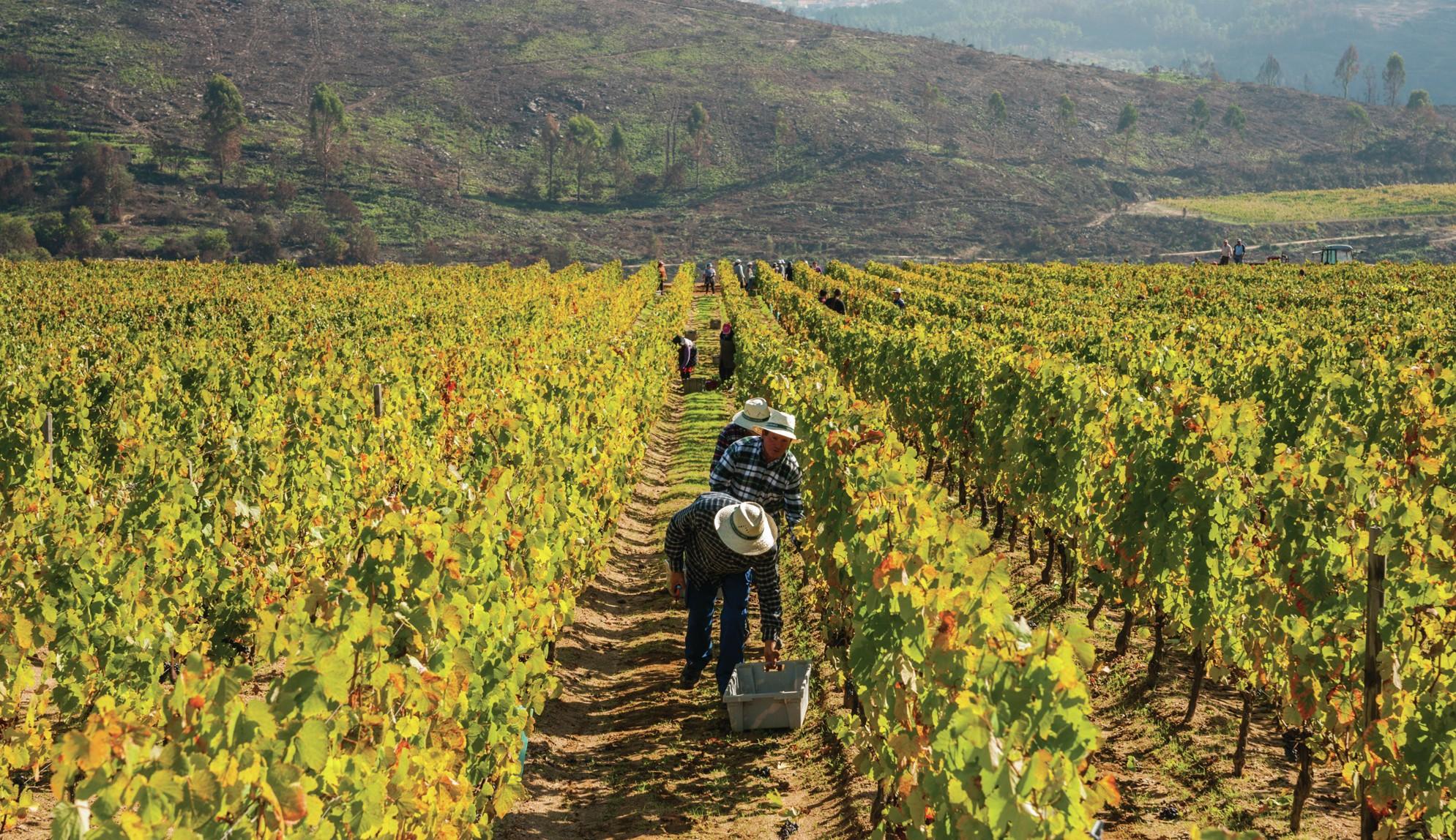
As with pink Port, first introduced by Croft in 2008, some feared that table wines would cannibalise demand for traditional Port or sully its image. Now, Douro reds are ready to be recognised as world-class, quite an achievement given that the Douro AVA was only established in the 1980s.
Symington says that table wines currently represent about 10% of his total sales, while Niepoort says wine is 80% of his total.
Further evidence of just how seriously Symington is taking its table wine offering can be seen through the construction of its new US$10m facility in the Douro, Quinta do Ataide, which Symington says is “our first winery dedicated to making Douro red wine.”
Change is happening at such a pace that, even since the announcement was made, the original plans for the winery have changed, with Symington deciding to “significantly increase the size of the facility as a result of our confidence in the growing demand for premium Douro wines”. Indeed, Symington intends to “double its wine sales” before the end of the decade.
For years, Fladgate was questioned why it didn’t join in. This year it answered by acquiring Ideal Drinks, which makes 65,000 cases of wine annually from almost 200 hectares of vineyards. Pointedly, none are in the Douro Valley.
“It was a big decision,” says Bridge, as Fladgate has just spent heavily on tourism facilities in the Douro.
“People around the world had requested table wines, but we needed all our grapes in the Douro for Port, and that’s likely to remain the same.”
However, Bridge argues that, as long as red table wines are being made in the Douro, it’s important that they be premiumpriced and premium-quality. The vineyards that Fladgate has acquired through the Ideal Drinks purchase are located in the Minho, Dão and Bairrada. One of the properties included in the sale – Quinta Colinas de S. Lourenço – is known for its top cuvée, Principal Grande Reserva, which retails for more than US$150 per bottle.
“We are creating a wine division,” Bridge told db earlier this year.
Export opportunity
One of the key changes that Fladgate will be looking to action concerns the proportion of table wines that it will keep for the domestic Portuguese market compared with how much of its wine it will export. Bridge has said that, while Fladgate exports 93% of its production, Ideal Drinks has until now sold 96% of its wines within Portugal. So, he concluded, there is an opportunity to take these wines to international markets. Some repackaging will be needed, to make some of the brands more appealing to a global audience.
“At this moment, we are evaluating everything,” he said.
Seely at Noval has aspirations that reach beyond red wines. “For the last 10 years, we’ve been struggling to make a great white wine,” he says. “The valley has extraordinary native white varieties selected through the years for their ability to add freshness, so I think it’s doable.”
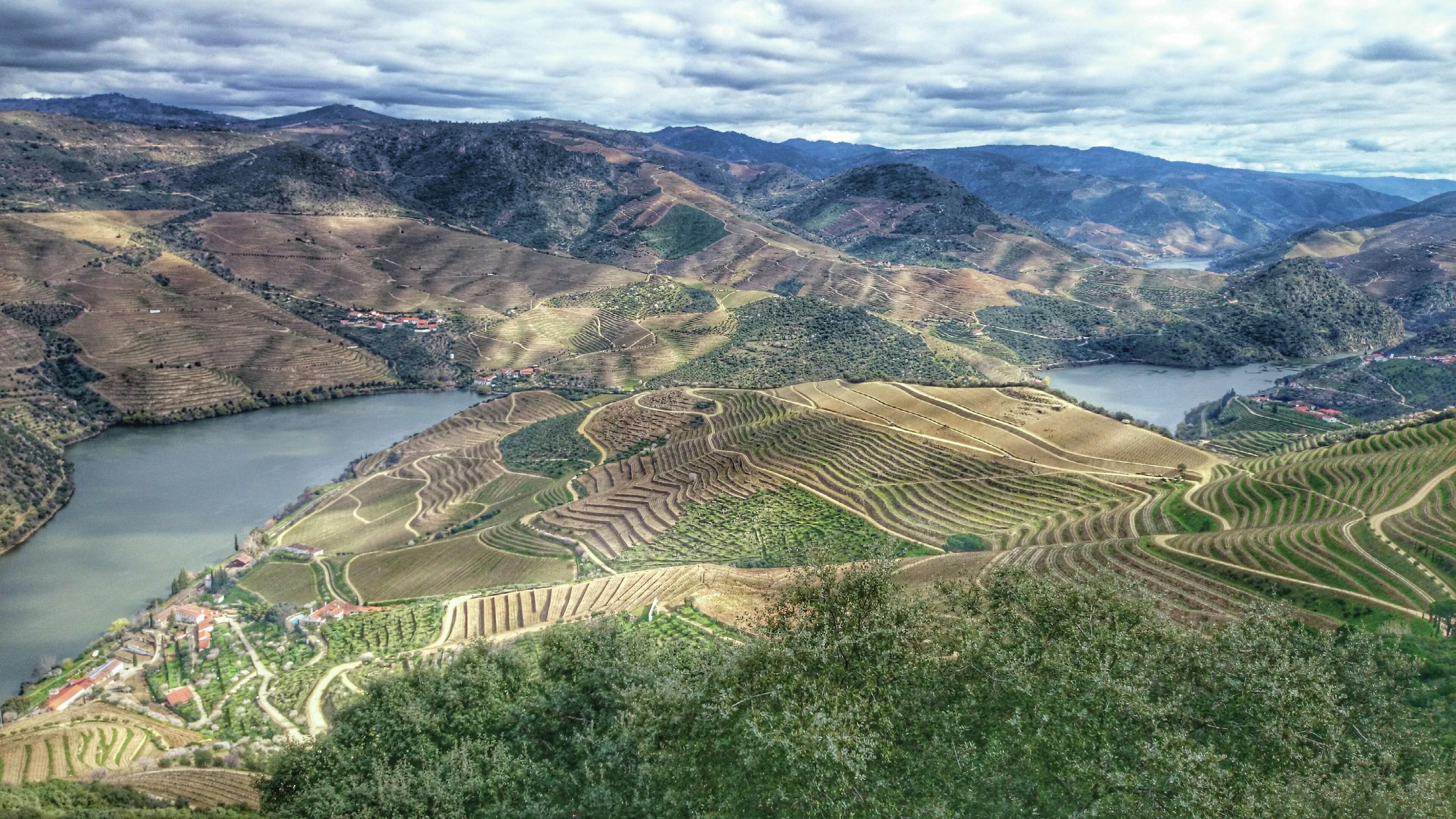
While sales to China for most wine producers have cooled considerably, new markets are being established while traditional ones are still being courted as new consumers come of age.
Porto Cruz continues to be the topselling Port worldwide, and especially popular in France and the Benelux countries.
“In those mature markets, the strategy is to keep seducing new consumers by deploying 360-degree brand activation around the consumption mode,” says international brand manager Maéva Fonsino.
“This is done through outdoor advertising, attractive promotions and tastings in-store, partnerships with bars, PR and other digital supports.”
Meanwhile, Sogrape, which produces Sandeman, Ferreira and Offley, is expanding upwards. Executive board member Raquel Seabra says: “Over the last decade, Sogrape has embarked on a strategic journey to elevate its premium Port wine houses in the global market.”
Most houses are expanding into more countries. Niepoort says. “We used to work in about 12 markets. Now we work in 80.”
Trading on the secondary market
Highly rated wines sold on exchanges such as Liv-ex and at premium auctions – helped to raise image and overall wine prices for Bordeaux, Burgundy, Napa Valley and a handful of other wine regions. To some extent, they are now doing the same with Port.
“There is definitely an increased interest in Port at the moment,” says Liv-ex director of marketing Richard Hemming. “So far this year, Port’s trade share by value has risen about 45% compared to 2022.”
However, he notes that Port’s market share is still relatively small.
Among the most-traded for re-sale at the moment are Taylor’s 1855 Scion Colheita and various Quinta do Noval Nacional vintages. Interestingly, Port producers are also charging premium prices for their table wines, with Niepoort, for example, selling its Redoma Reserva Branco for £36, an indication that fine whites from the Douro can be made and sold.
Almost 1.2m tourists, 83% of them from overseas, visited Port wine cellars in 2022, almost back to pre-Covid levels.
“Portugal is becoming a very popular destination for its wine and food, especially among Americans,” Niepoort says. “Thirty years ago, no one even knew where we were on a map.”
No producer has embraced tourism more thoroughly than Fladgate, setting off a rush of luxury hotel openings in Vila Nova de Gaia by launching The Yeatman in 2010. Recently, the company invested US$124 million in the World of Wine complex, which contains museums, a wine school and nine restaurants.
“Tourism is a good business in itself, in addition to being good wine business in by-the-glass sales,” Bridge says.
Increasingly, tourism facilities have opened up-river, accessible by train, car and boat. “We partnered with the historic Douro train operator so that people can sip a glass of Port while enjoying what we believe are some of the best views in the world,” says Sogrape’s Seagra.
Bridge says: “We are at a crossroads in the Douro, as there is an inter-generation change going on.”
He observes that “a new generation of farmers is getting ready to inherit vineyards planted in the 1980s with government subsidies. Now they are faced with the cost of replanting, high labour costs and climate challenges”.
If they sell up, who is buying?
Niepoort notes: “Foreigners are leading the process of investing in Portugal, and a lot has been sold to them. What makes us so special to them is our culture. We’re nice to foreigners. It’s safe here. And we love great food and wine!”
In July, a group of leading Port executives published an open letter asking for changes in the Port Institute’s beneficio system that, since the 1930s, has dictated the quantity of grapes that can annually be made into Port.
The letter read, in part: “The Douro is suffering due to the reduction in Port volumes and from an outdated regulatory system. Consequently, many grapes are sold below cost. The loss to farmers is obvious, resulting in the abandonment of vineyards and depopulation of the region.”
The letter further argued that “too many wines are being sold internationally at prices comparable to the cheapest wines in the world – something that would be impossible if farmers were paid a fair price”. In September, Portugal’s President Marcelo Rebelo de Sousa also called for change.
One person who did not sign the letter was Fladgate’s Bridge.
He says: “The reason I did not sign is that the main thrust of the letter was to have change because farmers receive too little income for their grapes. All the people who signed can solve the problem by paying more for the grapes they buy from small farmers.
“We already pay the highest prices in the Douro out of all the biggest players, so we are helping farmers with an action in our control,” he adds. “To demand a government solve the farmers’ low income problem is to invite more regulation, as the logical response of government to the letter is to set minimum prices. We need less regulation, not more.”
Thus far, there is no timetable as to when or whether the authorities will address the possibility of changes.
Just as there is a turnover in generations at the farm level, a new generation is also emerging in family-owned Port businesses, which will have to contend with two ongoing issues – climate change and sustainability. These are already being addressed by most houses. As an example, Symington reported during a September interview: “We now have 100 acres of vines being organically farmed.”
Niepoort is optimistic about the future, noting that, while Port was once the Douro’s only financial “pillar”, it has been joined by a second, premium table wines, and now business tourism is creating a third.
“The Douro itself is what matters,” he says. “The fabric is right – if we can balance wine, Port and tourism.”
Related news
Areni Global: 'We have to find a way to make wine consumption safer' for women amid spiking fears
All the medallists from The Global Cabernet Franc Masters 2026


