



Why vegan wine is no longer a niche subject
Producers are meeting the needs of changing consumer eating habits by making sure their wines are suitable for vegan drinkers, discovers Lucy Shaw.
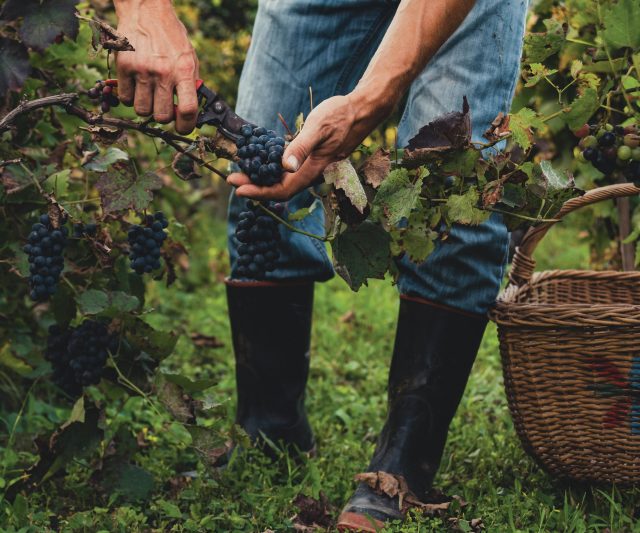
No longer a niche pursuit practised by hemp-wearing hippies, with numbers swelling to over 88 million people worldwide, veganism is a growing global phenomenon that big brands are consciously investing in.
From McDonald’s’ McPlant burger to Heinz Vegan Mayo, food giants want to capitalise on the growing ‘green’ pound. Worth £18.5 billion in 2020, the global vegan food market is projected to grow to £49bn by 2028, according to Fortune Business Insights. In the UK alone, the meat-substitutes market is valued at nearly £800 million, and is forecast to grow to £1.5bn by 2027. Just 4% of the UK population is vegan, and 6% vegetarian, but a sharp shift in eating habits fuelled by fears surrounding global warming has led supermarket Sainsbury’s to predict that a quarter of the UK will be vegetarian or vegan by 2025, and nearly half of the country will take a ‘flexitarian’ approach to reduce their meat consumption.
Winemakers are tapping into the spike in demand for vegan-friendly goods, and are tweaking their production processes to cater to this important growing market. Some 18.7m bottles of vegan wine worth US$193m (£150m) were sold in the US offtrade in the 52 weeks to 20 May 2023, according to market research company NIQ, up from just 6m bottles in 2020. Not only does it make good business sense to be able to market your wines to as wide an audience as possible, being veganfriendly also plays into the growing consumer desire to make ethical purchasing decisions.
“An increasing number of people are moving towards veganism for ethical, environmental and health reasons. If you want to reduce your carbon footprint, this is one of the most impactful things you can do. As part of our sustainability commitment, it became obvious to have our wines vegan certified,” reveals Pauline Nardo, international sales and marketing manager for France’s Bijou Wine. For organic estate Angove in Australia, the reasons behind being vegan-friendly are also twofold: “We want to be able to ensure a maximum number of drinkers can enjoy our wines, and we also want to make our products to the highest of ethical standards,” says regional export manager, Mark Ramm.
While wines have traditionally been fined with animal-based agents such as egg whites, milk protein, gelatine, and isinglass – asubstance obtained from fish bladders – to clarify the liquid and reduce bitter flavours, vegan-friendly alternatives such as pea protein and kaolin clay are increasingly being used, while gentler extraction methods and winemaking tweaks are reducing the need for fining altogether.
“It comes down to taking proactive measures in the winemaking process, like adjusting the timing of when we pick our grapes, or the amount of time our reds are fermented with skin contact,” reveals Jessica Blumenthal, founding vice president for brand and innovation at Avaline, the organic wine brand founded by Cameron Diaz and Katherine Power. “These tweaks mean we don’t have to rely on additives to alter the wine, which is where you see non-vegan ingredients.”
Angove rarely has to fine its wines, as it only uses the free-run juice from its grapes. This is an approach Ramm admits is costly, as it greatly reduces the estate’s yield per tonne. Comparing like for like, plant-based fining agents are marginally more expensive than animal-based agents, but the overall impact on production costs is minimal, and, perhaps more importantly, the quality of the final wine isn’t negatively affected by opting to go plant-based.
Rob Cameron, co-founder and winemaker at New Zealand-based Invivo, says: “While the production of vegan wines may involve some additional considerations, it doesn’t make them more expensive or compromise the quality. While these substitutes may have associated costs, they are generally comparable with traditional fining agents. Importantly, the quality of vegan wines isn’t compromised; they can still achieve the desired taste, aroma and characteristics that consumers expect from high-quality wines.”
However, plant-based fining agents aren’t without their issues, as Alejandro Galaz, winemaker at Ventisquero Wine Estates in Chile, points out: “To produce a viable amount of vegetal proteins for clarification you have to use a significant surface cultivated with peas or potatoes, and these crops require a lot of water, which is a growing problem that will affect everything on our planet, including animals.”

With consumers increasingly seeking transparency from the products they buy, particularly when it comes to provenance and production methods, the majority of vegan-friendly wine producers choose to flag up their eco credentials. “One of our main goals is to simplify the shopping experience for wine, and putting crucial information like ‘vegan-friendly’ on the front of the label is part of that,” explains Blumenthal of Avaline, who takes cues from the beauty world in her marketing approach. “Nutrition facts and ingredient labels are commonplace in other aisles in the grocery store, so we figured it would be helpful to market our wines in the same way as a beauty product,” she says.
Vegan credentials
Frances Gonzalez, founder of US-based online wine merchant veganwines.com, thinks wineries should be going to greater lengths to communicate their vegan credentials. “Producers should take pride in their transparent and ethical production processes. If they choose not to use animal products, this decision and the reasons behind it should be clearly communicated to their buyers,” she says.
One such producer is Chile’s Cono Sur, which achieved V- label certification for its organic wines in 2019, which remains the gold-standard vegan trademark, with more than 50,000 products worldwide carrying the seal. “We flag up our vegan status on our front and back labels,” says senior brand manager, Antonia Feres. “We’re really proud of being the second-largest vegan winery in Chile with around 480 hectares of vegan-certified vineyards. We view this as a noble approach not just for the animals, but for the complete environment.”
Not all producers choose to shout from the rooftops about being vegan, however, and some actively avoid advertising the fact. “We don’t particularly draw attention to the vegan status of our wines because I believe you could alienate as many people as you attract, nor do we use a logo on our labels, as this isn’t a virtue-signalling exercise,” says John Leech, commercial director of Piedmont’s Araldica. “Our decision to produce vegan-friendly wines wasn’t born of piety but rather through a desire to reach the widest possible audience.”
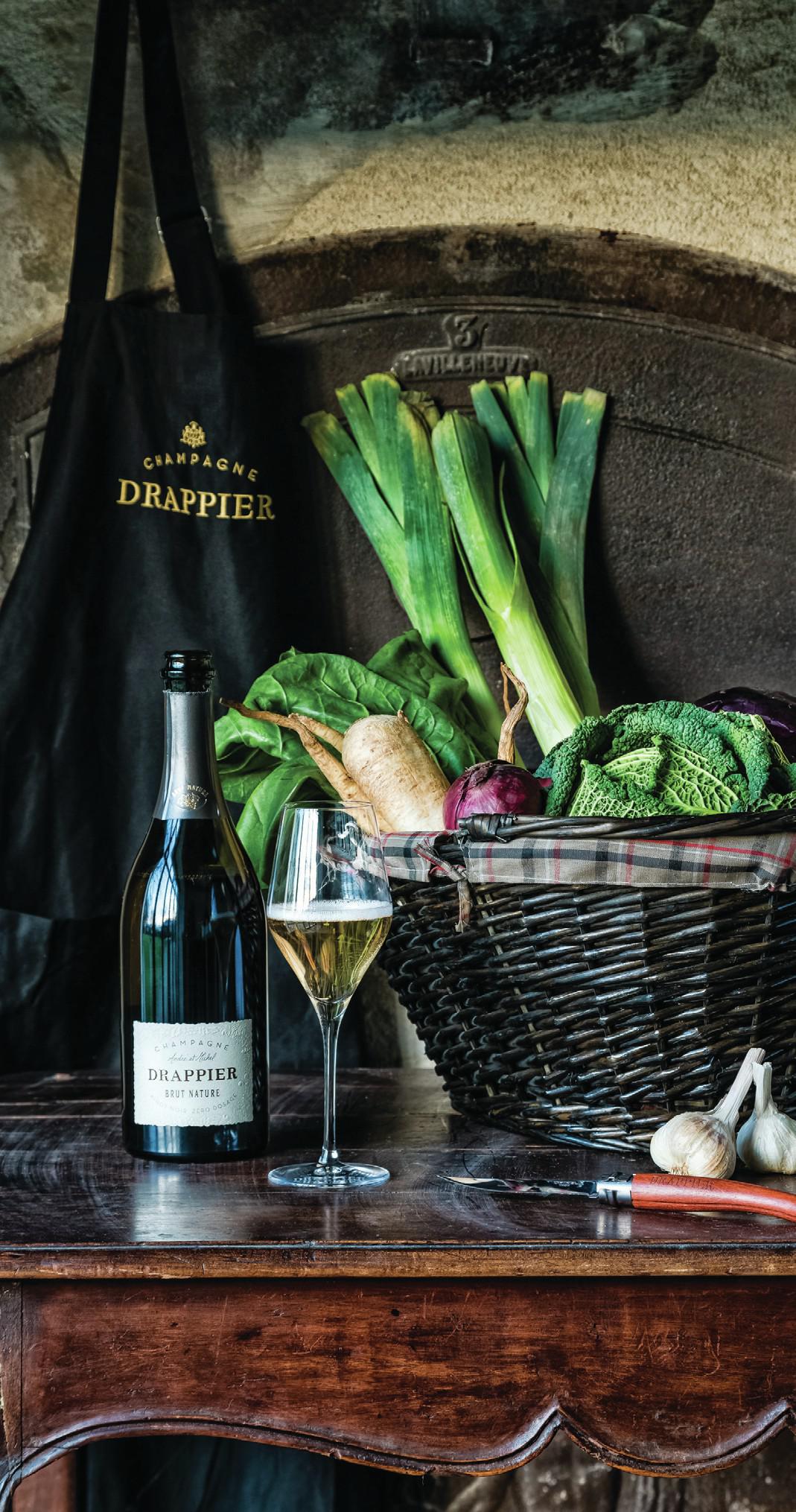
Quiet approach: Drappier
Likewise, Champagne producer Drappier doesn’t highlight its vegan status. “We’re not vegan for marketing purposes,” explains Charline Drappier. “We have a minimum-intervention approach when it comes to our winemaking process, so it seemed obvious not to involve any animal-based ingredients.” She says that not having vegan certification “has never been an obstacle”, as the house’s importers and retail partners understand its holistic approach.
Drink your greens
Vegan wines are finding a happy home in high-end restaurants where vegetables are the star of the show. At Gauthier Soho in London, executive chef Alexis Gauthier made the bold decision to turn his menu entirely vegan in 2021, with an all-vegan wine list to match, while at Rishim Sachdeva’s plant-based venue Tendril, due to open a permanent venue in central London this summer, all of the wines on pour are vegan. “We clearly indicate on the list that all of our wines are vegan, but we still have quite a lot of guests double checking,” says sommelier Kate Aleksandrova, who reveals that diners are often surprised to discover that not all wines are inherently vegan.
In the US, at the three-Michelin-starred Eleven Madison Park in New York, Swiss chef Daniel Humm turned his kitchen vegan in 2021, charging US$365 for his 10- course tasting menu. While the food may be meat-free, head sommelier Gabriel Di Bella isn’t dogmatic when it comes to the wine list.
“We are pro-planet, not anti-meat, and firmly believe in a ‘progress not perfection’ philosophy, which means we’re looking to work with winemakers that are as passionate as us in creating an unbelievable experience to the highest of their abilities,” he says. “Our desire to serve an entirely plant-based menu is largely a creative decision based on the ingredients that we find inspiring at this level of dining. That concern doesn’t extend to the use of animal products in wine. Some of the producers on our wine list may fine, many others do not.” Since the menu turned vegan, Di Bella has noticed a younger, more curious crowd of diners at the restaurant, but hasn’t felt obliged to flag up the vegan wines on his list. “We don’t have a dedicated vegan wine section as we believe in representing every wine that is part of our programme equally,” he says, arguing that it’s the sommelier ’s job to guide vegan diners towards suitable wines.
Wine is currently the only comestible that isn’t required to list its ingredients on its labels, though many winemakers are pushing for more transparency to help build trust among buyers. “The lack of transparent labelling makes it difficult for consumers to make informed decisions about what they are buying, and is turning people away from the wine category altogether,” warns Avaline’s Blumenthal. “Ingredient and nutritional transparency are baseline consumer expectations and we’d like to see them adopted in wine.”
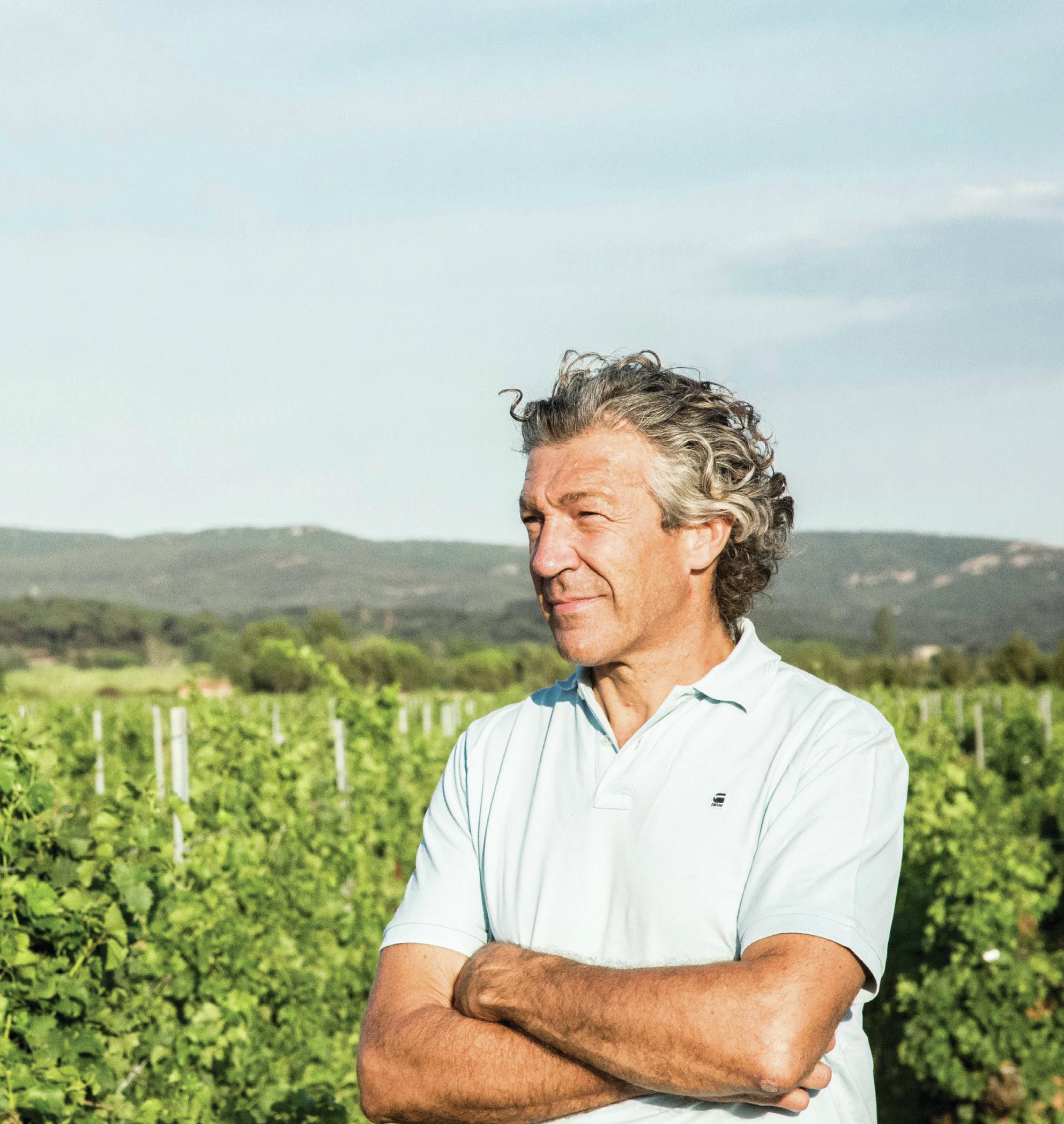
Gérard Bertrand has seen increased interest in vegan wines
While ingredient labelling remains an issue, forward-thinking retailers such as Waitrose, Marks & Spencer, and Majestic are helping to make the consumers’ wine-buying journey easier via vegan search filters on their websites and dedicated sections on their shelves. Last year, M&S was the first high street retailer in the UK to make all of its own-label wines vegan, “meaning shoppers following a plant-based diet can be confident that any wine with M&S on the label is suitable for them to drink”, says PR manager David Parke. In response to rising consumer demand, Majestic now stocks more than 400 vegan-friendly wines, which are flagged up at the shelf edge and on the bottles. “We work closely with our suppliers and on-trade customers to highlight the vegan, organic or sustainable credentials of our wines,” explains Majestic’s head of communications, Luke Tugby.
Waitrose’s BWS sourcing manager, Barry Dick, has noticed an increasing number of brands weaving their vegan credentials into their marketing messages. “We saw an uptick in interest towards vegan wines around two years ago when some brands made it a prominent part of their proposition,” observes Dick.
“That initial spike was almost certainly pushed by a younger audience and the more broader drive towards a vegan diet.”
Dick believes a growing number of producers will naturally gravitate towards making vegan wines. “Winemakers across the globe have a greater choice of equipment and tools, and access to the latest innovations in fining and finishing products, which makes it easier than ever to make vegan wines. The result is they can produce great quality wines with universal appeal that can be enjoyed by all,” he says.
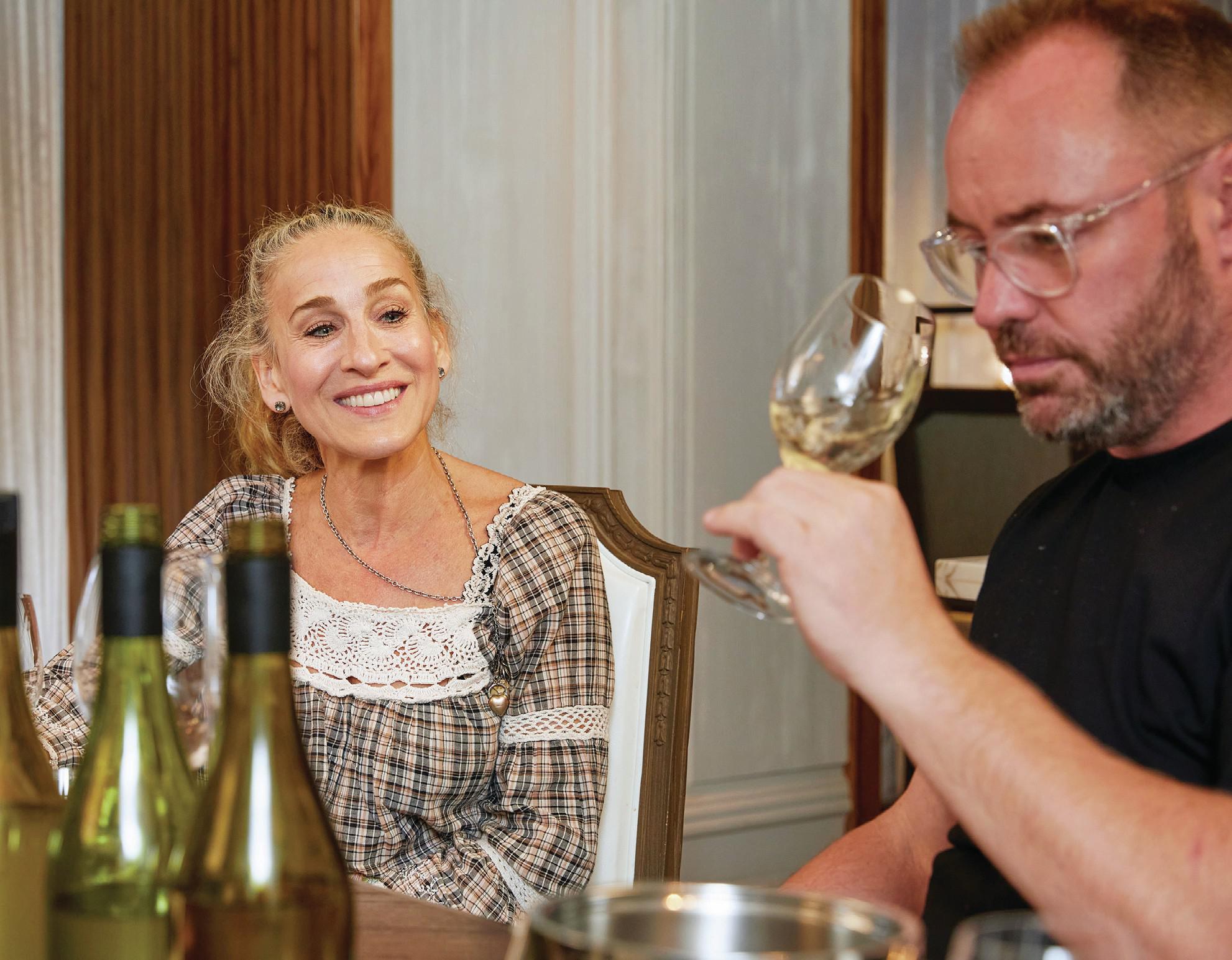
Keen to engage with the next generation of wine drinkers, Sarah Jessica Parker ’s brand, Invivo X, SJP, highlights its vegan status on its labels, and weaves it into the brand story to be as inclusive as possible. “By producing wines that are vegan-friendly and talking about it, we can connect with a growing demographic of eco-conscious Millennials and Gen Z-ers who prioritise sustainability and ethical consumption,” says Invivo’s winemaker, Rob Cameron.
Diego Pinilla, chief winemaker at Cava giant Codorníu, believes that rather than a passing fad, vegan wine is here to stay. “Vegan fining agents are already very present in modern winemaking, and it’s difficult to believe that this is going to change, as ethical consumption is becoming more popular as factors like inhumane farming practices and climate change influence consumer buying decisions,” he says.
Sustainable wine pioneer Gérard Bertrand believes the vegan wine trend has legs, and that producers should be factoring vegan-friendly wines into their ranges or risk being left behind. “It’s essential to listen carefully to consumers to meet their needs and desires for every moment of their consumption journey,” he says. “In recent years, there has been a significant increase in interest in vegan wines worldwide, including in renowned wine-producing countries like France, Italy, Spain and the US.”
If winemakers want to be inclusive in their approach and remain relevant to the eco-conscious younger generation, refining their production processes in order to be vegan-friendly is a no-brainer. As plant-based fining agents become more affordable and easy to access, being vegan-friendly is now a viable option for winemakers the world over, making it less a question of why, and more a question of why not?
Related news
First 5,000 bottles produced from Pope's vineyard


