



Italian white wines are undergoing a Renaissance
The diversity of Italy’s regions and varieties may make it impossible to define, but complexity is the name of the game when it comes to exciting new whites.

IF THERE is one white grape variety that has become synonymous with Italy, it is Pinot Grigio.
Italy produced a total of 117 million bottles of wine in the year to 22 October 2022, statistics from Nielsen show. Of this total, white wines accounted for 70.6m – well over half of the country’s output – of which Pinot Grigio made up 43.8m bottles. The numbers show it is by far the most ubiquitous white grape variety in the country.
The inexorable rise of Pinot Grigio has supported both mass market sales and more premium bottlings.
Andrea Nicolini, export director for Italian producer Cavit, explains: “There are two Pinot Grigio markets. The first is an entry-level one, with a commercial style of Pinot Grigio. That’s not where Cavit is operating, and there is definitely
a sector of the consumer market that understands and specifically seeks out quality Pinot Grigios. They know the brands that will deliver the profile of wine they are looking for, and they’re happy to pay more for them.”
A rising tide lifts all boats; that is how the saying goes. In the case of Italian white wines, Pinot Grigio has, for many years, been that rising tide.
“Pinot Grigio is probably one of the most recognised white wine grape varieties, and has been for a number of years now,” Nicolini says. But this in turn has allowed other grape varieties to come to the fore, as consumers are encouraged “to then branch out and experiment with lesser-known Italian white wines”.
Nicolini is not shy about suggesting that Pinot Grigio has helped other varieties along the way. “In this respect, the Cavit Pinot Grigios have served as an entry point to other Italian whites,” he says.
The age of Pinot Grigio’s pervasive rule may be coming to a close. Alex Canneti, director of off-trade sales at UK distributor Berkmann Wine Cellars, believes that “Pinot Grigio has done its bit”.
Try to name every white grape variety in Italy, and you will soon run out of breath, from Fiano and Greco to Cortese, Vermentino and the lesser-known Timorasso. Italy is a nation which spans 1,000km in length, and encompasses 20 different winemaking regions. Its northern region of Bolzano is closer to London than it is to Palermo on the island of Sicily at the country’s foot; proof of the true diversity of this land mass.
This diversity is both Italy’s greatest strength and its biggest flaw. On the one hand, the sheer range of regions and varieties makes it impossible to summarise. On the other hand, its complexity takes those intrigued enough to dive into Italy’s vinous curiosities on a neverending journey of discovery.
David Gleave MW, chairman of the UK’s Liberty Wines, is a true believer in the power of Italy’s diversity. “There are enough consumers out there who are intrigued by what they see in Italy, and treat the complexity as a challenge that will enable them to discover new things every year,” he says. “It’s got the ability to take someone who casually dips into Italy and turn them into a lifelong Italophile.”
In this sense, Pinot Grigio as a gateway grape has been instrumental in paving the way for other varieties.
Antonio Ciccarelli, PR and marketing manager for Italy’s Piccini 1882 Group, believes that consumer perception is moving in the right direction. “In recent years we have seen a great improvement in people understanding the quality of Italian whites,” he says. “The world is finally discovering something more than Pinot Grigio from our country.”
Indeed, Maurizio Maurizi, oenologist at Trentino’s Mezzacorona, believes that while “Pinot Grigio is maintaining its position” in dominating Italian whites, “all aromatic white wines are increasing in popularity”.
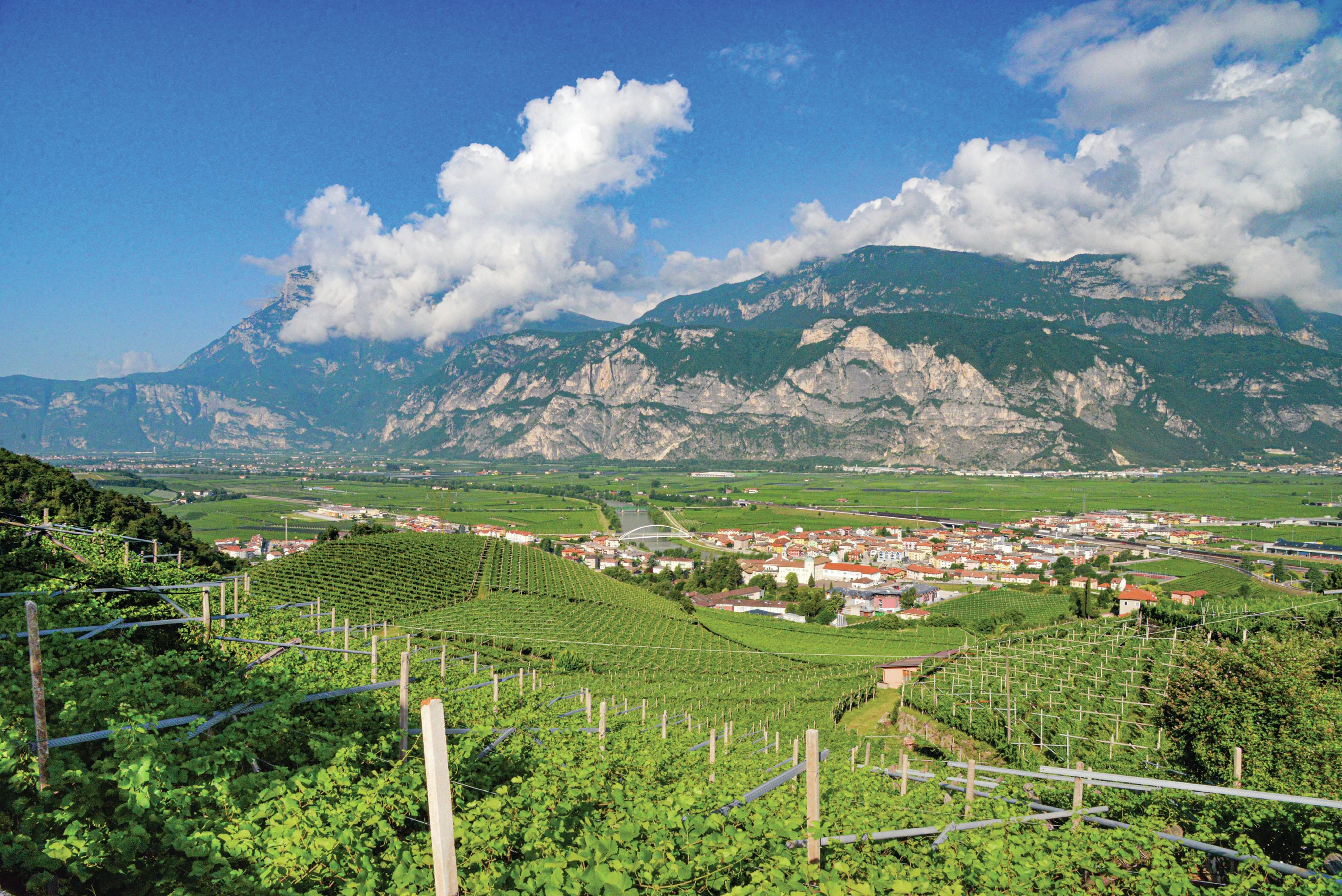
Maurizi has seen a trend towards consumers valuing “the potential and uniqueness of the different Italian territories”, in turn triggering a rise in quality of Italian white wines.
Canneti adds: “It’s useful to have that powerful Pinot Grigio business, which is the hook to the average consumer, and then the diversity of Italy and that sheer tendency to quality all the time.”
Filippo Bartolotta, db’s Italian wine expert, believes that “the Italian wine industry is becoming an adult”, especially when it comes to whites.
Winemaking in the country may go back thousands of years, but at least in living memory, Italy’s white wines are only now coming into their own.

Going back to the mid 20th century, Bartolotta says, “there were some famous Italian whites, but for one reason or another the fact that Italy is a Mediterranean country meant that reds such as Barolo, Brunello and Chianti, for example, became more famous”.
Bartolotta chalks this up to market demand. “Northern European markets just wanted Italian reds because the white wines from northern countries, including France and Germany, were already strong,” he explains.
With this newfound maturity comes a fresh confidence. “The maturity of the industry means that winemakers are now focusing on what they’re really good at and not necessarily on the market,” Bartolotta says.
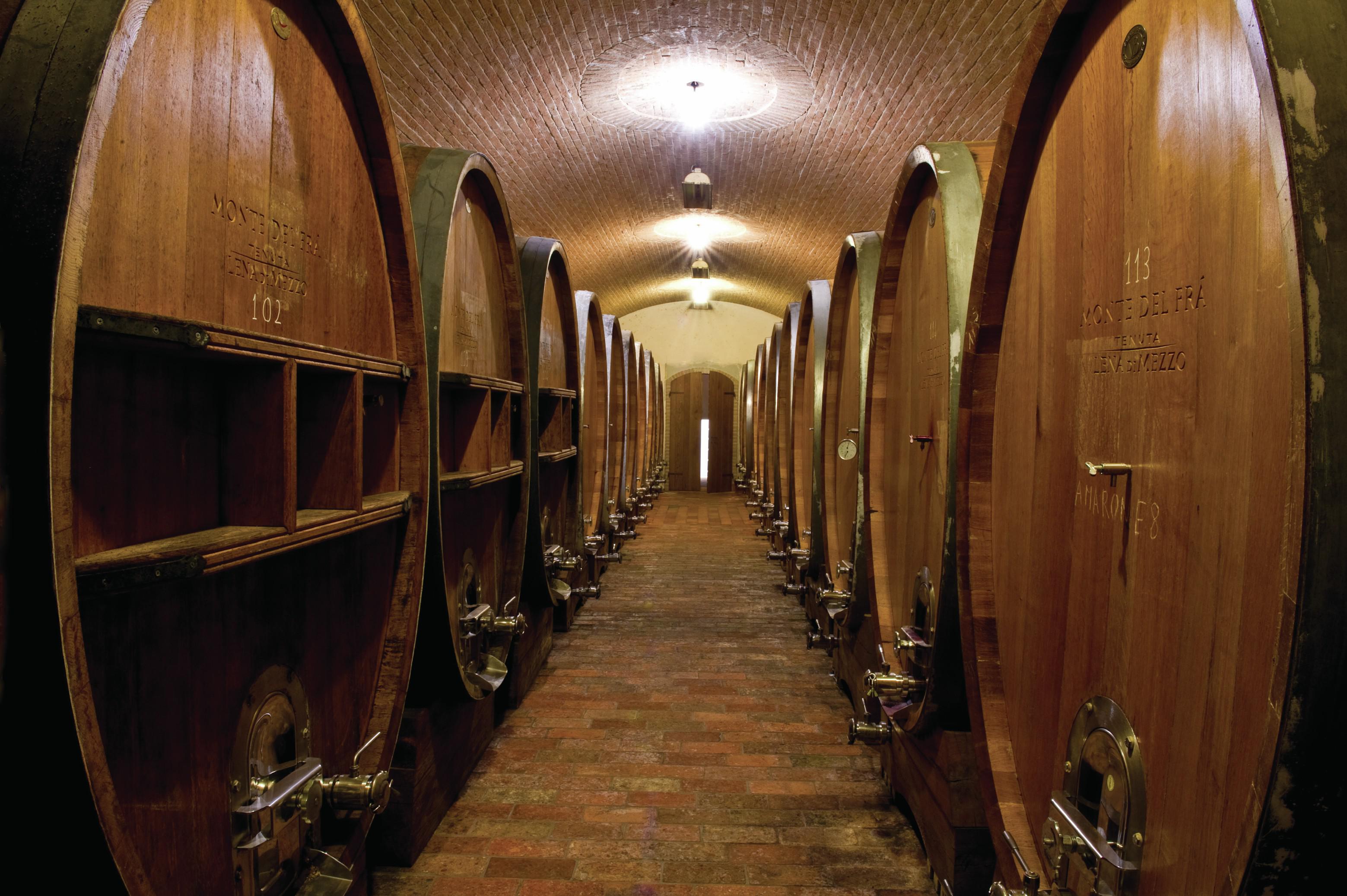
Close to Lake Garda, family-owned Monte Del Frà is “honouring a path that previous generations proudly stated: the land is everything”.
Marica Bonomo, owner of Monte Del Frà, says that her aim is to “learn from the vines how to bring all of the tradition of the territory and its identity into the glass”.
As such, the winery has pivoted its focus towards what the land is most capable of producing, rather than listening to market demand. She says: “We are the interpreter of our land, and we have to respect it to make the best wines possible.”
Paolo Fiorini, president of the Garda DOC Consorzio, is also confident in the power of the land, and believes that quality will in turn be rewarded with recognition. “Ours are wines characterised by the strong link to their territory, they are the maximum expression of it and this is their biggest strength,” he says.
Up and down the country, winemakers and grape growers are tapping into a trend towards more unique, terroirdriven white wines, and this in turn is being reflected in volumes. In 2022, more than 20m bottles of Grillo Sicilia DOC were produced, an astounding increase on the 3.4m bottles produced in 2017 alone, according to IRVO.
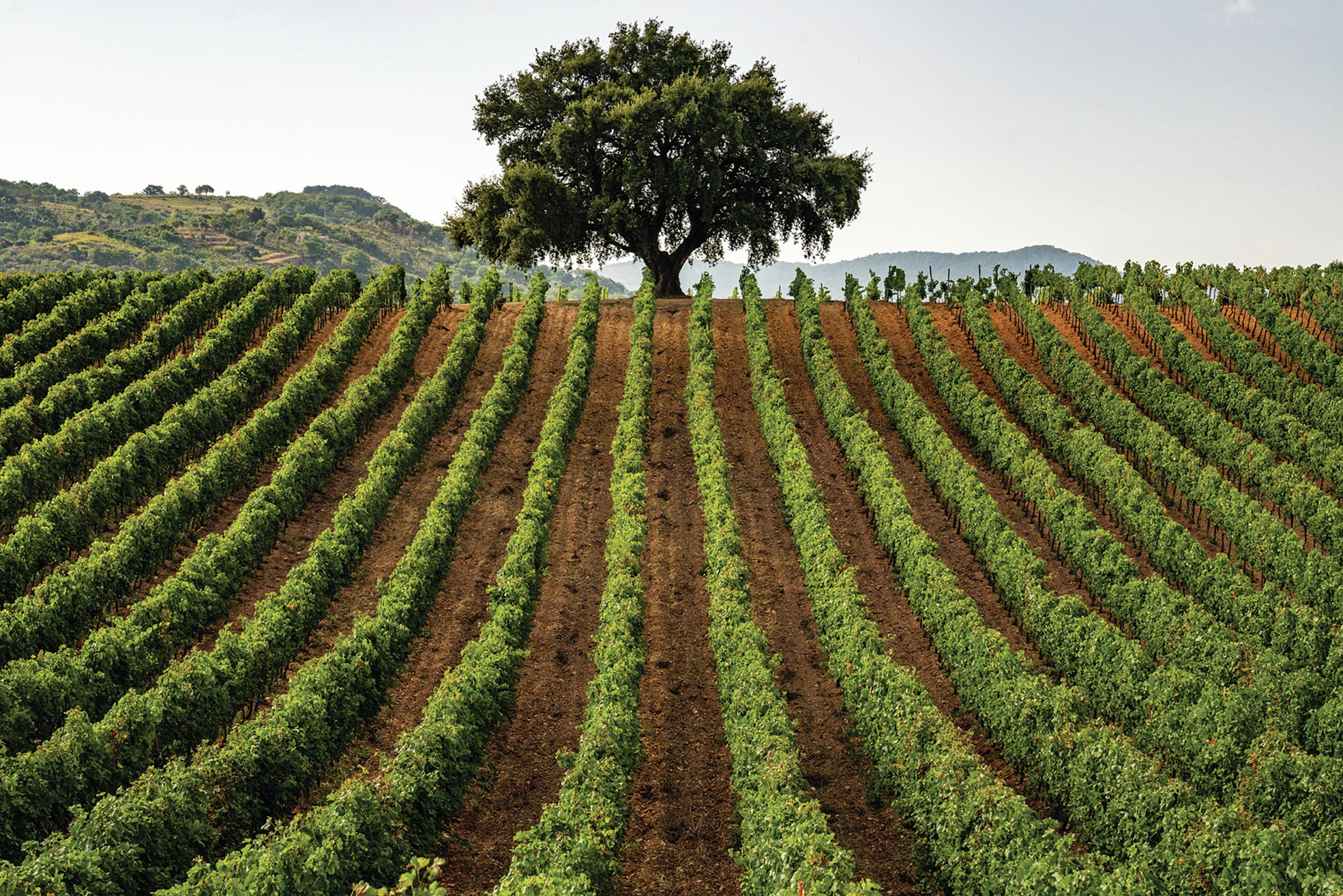
“Both in national and international markets we can define it as a real success story,” says Antonio Rallo, president of the Consorzio di Tutela Vini DOC Sicilia, highlighting that the focus on regional varieties is shaping consumer demand.
Indeed, Liberty’s David Gleave sees the relationship between better winemaking and increasing consumer knowledge as a constant reward cycle. “The market being willing to pay a bit more for these wines in turn rewards the producer and incentivises them to do better in the vineyard,” he explains.
A focus on regional varieties creates just one problem – as demand increases so too do prices. Paolo Lasagni, managing director of Casa Vinicola Bosco Malera, explains: “Talking about still white wines, there’s an increasing interest towards ‘unknown and less famous’ varieties; the only problem with them is that available volumes are quite limited, and, as soon as demand rises, prices increase quite a lot, and make these wines less appealing.”
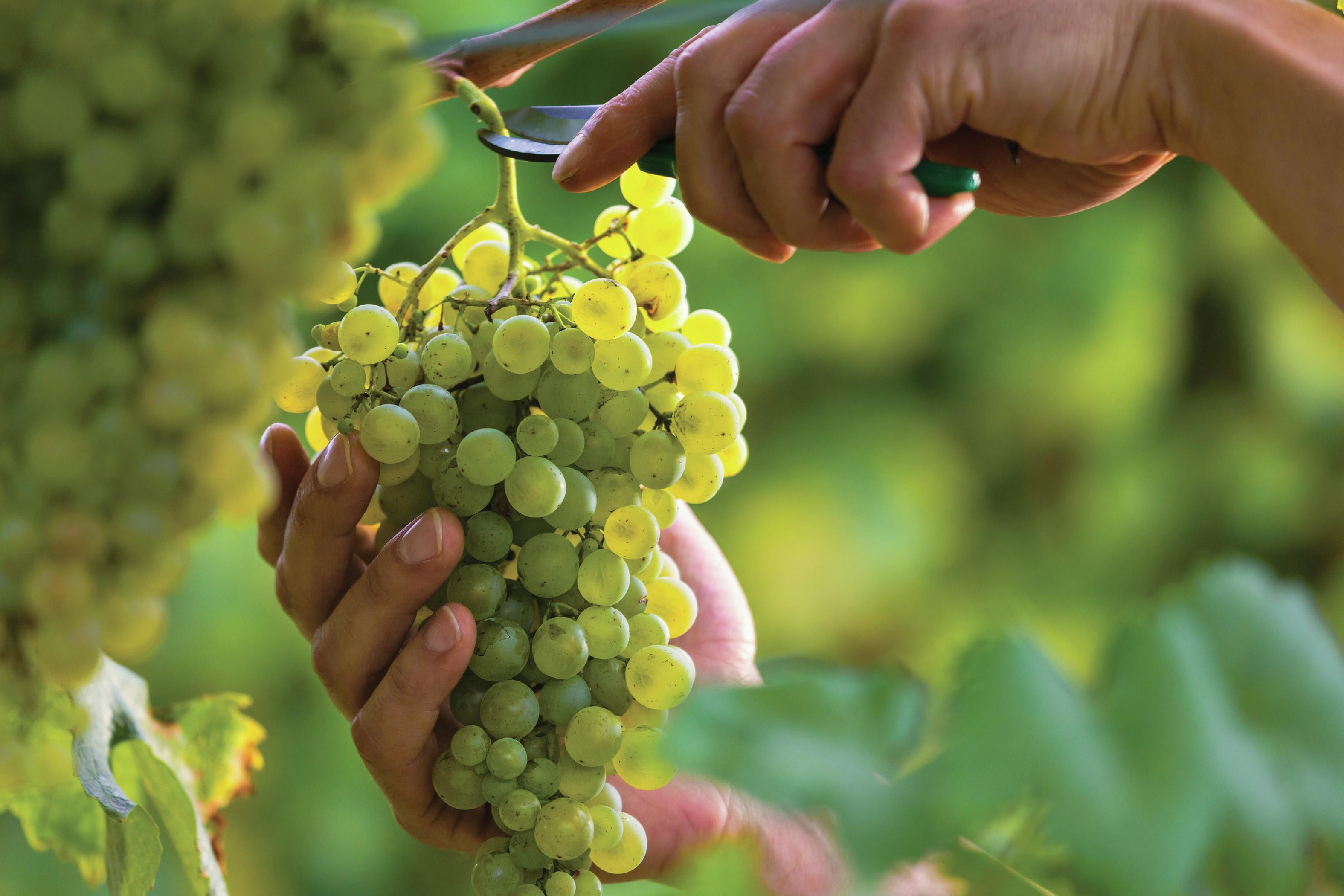
But the country’s producers are confident that quality will come out on top. Piccini 1882 Group’s Antonio Ciccarelli hopes that the “positive quality/price ratio will win against past prejudice relating to Italian wines”.
He describes the past decade as a “renaissance” for Italian whites on the world stage, and remains confident that “the great improvement in quality for Italian whites that has occurred in the past 10 years is being perceived by consumers”.
With terroir at the fore, winemakers are the ones leading the way, while the market must be content to follow.
John Leech, the commercial director at Araldica in Piemonte, north-west Italy, says this: “Although the focus is very much on high-end individuality, there are no ego or vanity projects, no outrageously priced icon wines.”
This year’s Vinitaly trade show was a testament to the country’s enduring diversity. Berkmann’s Canneti, who attended the show, and by his own admission has “been around for a while”, was surprised to discover grape varieties he had never heard of.
“Italy has so many varieties and regional variations that there’s quite a lot to keep everybody very busy,” he says.
Related news
Sicilia DOC showcases immense diversity of one island


