



Chile’s winemakers rise above fire damage
Wildfires in Chile’s Itata Valley have ravaged some of the region’s precious old vines. But what else does the country, which begins in desert and ends in the southern glaciers, have to offer? Eloise Feilden finds out.
PLUMES OF smoke mushroom into the sky as the land below, molten red in colour, burns. Scenes like this played out in February in southern Chile, where fires devastated parts of the Itata, Bío-Bío, and Maule Valleys.
Damage caused by the blaze is even visible from NASA satellites – aspeck, no doubt, of scorched earth to those looking down from space. But back on hard ground, the impact is sorely felt. The fierce wildfires have led to at least 25 deaths, and destroyed more than 2,000 homes, according to government figures. More than 400,000 hectares of land have also been burned, with Itata the hardest hit, including some of the country’s oldest grape vines.
Small, independent growers with old vines – some of which are over 100 years old – make up the majority of those affected by the fires.
Derek Mossman Knapp, co-founder of the Garage Wine Company, which is dedicated to reviving old vineyards in the Maule Valley, has witnessed the destruction first hand.
Driving into the Itata Valley following the fires was “unreal”, Mossman Knapp tells the drinks business from his old-vine País vineyard in Maule. “It looks like a battle from the First World War – just scorched earth and burnt-out roots.” However, large parts of the region have managed to escape the fire damage, and Mossman Knapp and his team were even able to harvest some grapes in Itata, proving that all is not lost. But for some the impact has been severe.
Speaking to newspaper La Tercera-Pulso, Aurelio Montes, president of Wines of Chile, said: “The social drama is tremendous, because those in the area are small producers.”
The president of Vinos de Chile estimates that the historic Itata Valley will suffer a loss of 30% to 40% of its total annual production.
THE COMING STRUGGLE
According to Montes, approximately 400 producers have been affected, the majority of whom own just 5ha or 10ha of land, and as a result many will struggle to support their families in the coming years. He also pointed out that the vines affected, but that were saved, are likely not to produce grapes again for two years, as a result of the heat to which they were exposed. “Of those 30 million kilos of grapes that the Itata area produces, there will be between 10m and 12m that will not be able to be vinified,” he said, adding that these figures are still being worked out. “These vineyards will only be able to start to see production again in 2025 from the vines that did not die but were strongly affected by the heat and the flames,” he added.
As the saying goes, ‘there’s no smoke without fire’. In the wine world, however, there is no fire without smoke. The flames that spread throughout the southern regions of Chile may have destroyed more than 400,000ha of land, but the impact of the smoke itself is far more immense.
“The biggest problem facing the wineries is smoke taint, which affects the grapes, and therefore the flavour of the wines,” explains Kevin Wilson, buying controller for UK importer Kingsland Drinks. The impact of smoke taint can only be fully understood once the final wines have been produced, meaning winemakers could risk months of hard work before knowing whether their wines are viable.
Morandé Wine Group, which has vineyards in both Maule and Itata, can be categorised as one of the lucky ones. Both its own property and that of a partnering grower, Agustin Peñalillo, were unaffected by the flames.
But uncertainty remains about the impact of smoke. “While we have all been affected to some degree by the smoke, how much is yet to be determined,” says Ricardo Baettig, chief winemaker at Viña Morandé, part of Morandé Wine Group.
The producer is still erring on the side of caution, “taking measures and safeguards to prevent any impact on the final wine”, Baettig says. These safeguards will have a major impact on the style of wines produced this vintage; the winemaker is focusing on minimal extraction, using shorter macerations and reducing the contact between the must and the skins, producing wines with less tannin and colour than could otherwise be afforded.
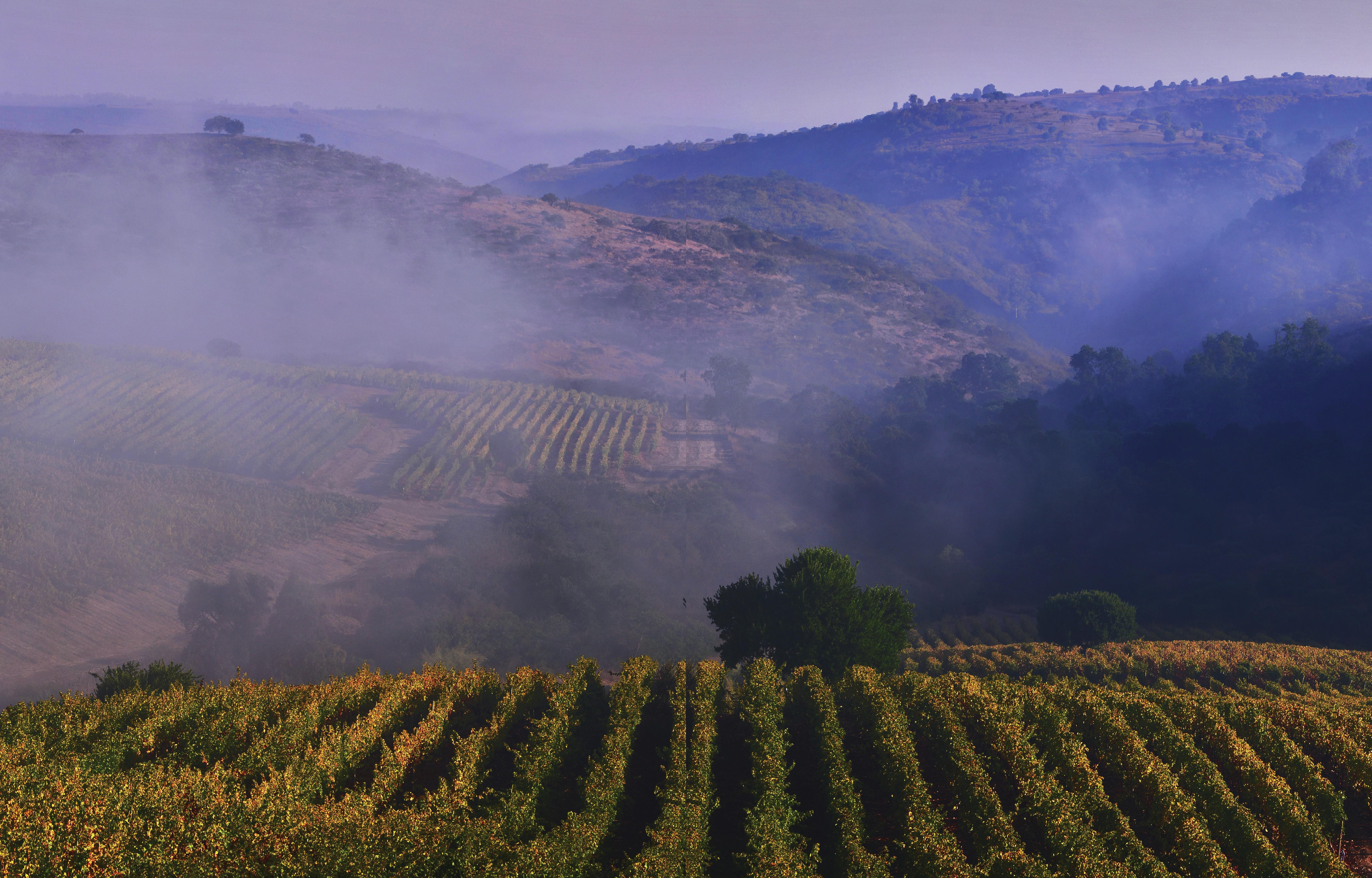
Itata Valley is no newcomer to wine. Some of the earliest vineyards in Chile were planted here near the port city of Concepción during colonial times.
But the region, which now features a sprinkling of new vertically positioned vineyards springing up alongside the ancient bush vines, has been gaining recognition again in recent years.
Peter Wallbridge, wine buying manager for Enotria & Coe, says the region has “come full circle”, and is “very much on trend”. Its wines have three key qualities for the wine buyer, being “fresh, fruity, and invariably good value”, he says.
Even so, Itata’s output is just a tiny piece of the pie. Aurelio Montes has stressed that international shipments from Itata represent about 5% of Chile’s total, which would mean a loss of 200,000 to 500,000 export boxes; a small-scale loss when considering the amount of wine produced across the whole country.
And Chile has much to offer beyond Itata’s scorched boundaries. “Generally we tend to look to the coast,” Wallbridge says, with particular interest in Chile’s Leyda and Limarí Valleys.
Emiliana, which is a pioneer in organic and biodynamic winemaking in Chile, has spied Limarí’s potential.
The producer is relaunching its Maycas del Limarí brand, which CEO Cristian Rodriguez calls “a premium project of only 40ha, which we believe are the best soils to produce highquality Pinot Noir and Chardonnay”. Emiliana is also working on a future sparkling wine from this terroir as part of the new project.
Expansion doesn’t end there. “The two most exciting projects that we have are located in the extreme north and south of Chilean wine valleys,” says Rodriguez, the other being in Bío Bío.
A thousand kilometres south of Limarí, Emiliana is taking on the challenge of growing “cold-climate varieties” on 300ha of land in the Mulchén area of Bío Bío Valley. “The soils have a greater amount of organic matter than in the north, also ideal for our organic condition where we cannot apply any chemical fertiliser,” Rodriguez says. “Exploring this area to develop high-quality varieties such as Pinot Noir, Chardonnay, or Sauvignon Blanc organically is a challenge that undoubtedly leaves us in good shape for the future and the evolution of climate change.”
At 4,740km long and just 150km wide, Chile is a country of extremes, and other large-scale producers are finding their feet at either end of this coastal nation.
Concha y Toro has made buying its own vineyards a central part of its business model. The company, which remains the largest producer and exporter of wines from Latin America, owns 12,000ha in Chile, compared with just 1,652ha in Argentina and 424ha in the US.
Acquisitions have traditionally been concentrated in the Colchagua Valley, but in recent years have moved northwards in Limarí, and are also being explored to the south.
According to Marcelo Papa, Viña Concha y Toro’s chief winemaker, the so-called “green north”, where the Limarí Valley is located, is an attractive spot for innovation.
Towards the south of the country, progress is being made in the search for a rescue of heritage grape varieties that are relatively forgotten in Chile, and that are now being revived with higher quality, achieving “better knowhow”, Papa says.
Newcomers are also adding spice to Chilean wine. Huasco, located in the Atacama region of the country’s extreme north, has seen innovation pioneered by Viña Ventisquero.
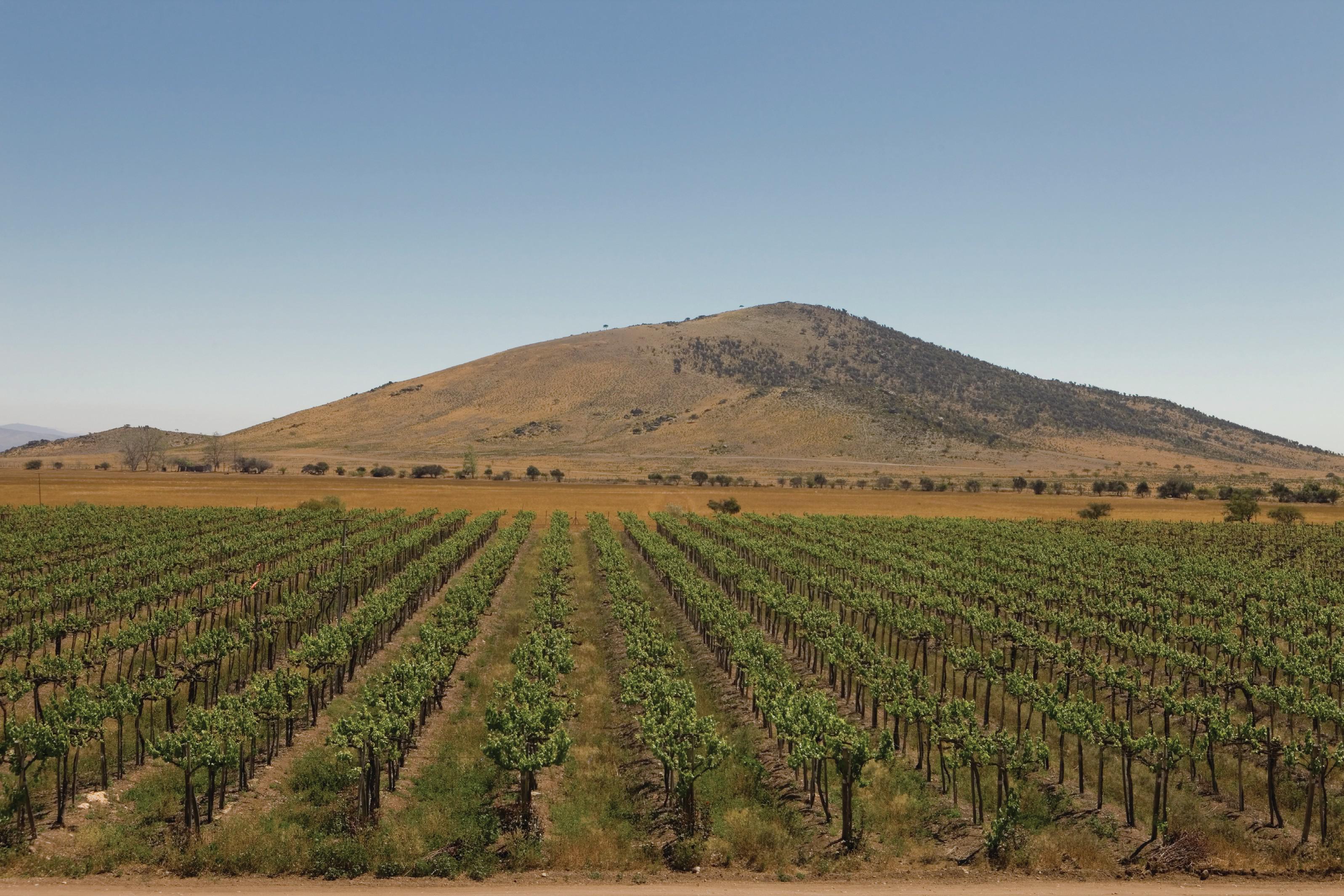
“Something tells us that consumers are looking for something riskier nowadays,” says Felipe Tosso, chief winemaker of Ventisquero Wine Estates. “At Ventisquero we found out that extreme conditions produce extreme wines with a lot of character.”
The producer, named after the Spanish word for glacier, has now turned its attention south, and is in an “experimental phase” of planting in Patagonia, “again looking to reflect this extreme terroir”.
Ventisquero’s Patagonia project, which sees vineyards planted at 46.3 degrees south of the equator, is in its earliest stages, with just two experimental vintages to date. “We’re at the beginning of our learning curve,” says Tosso.
LEARNING CURVE
Consumers, particularly those in the UK, are also at the start of a learning curve when it comes to premium Chilean wine. Enotria & Coe’s Wallbridge explains: “To try and get the end consumer to go out on a special occasion or go to a nice restaurant and spend money on Chilean wine is really difficult.”
As such, the focus has to be elsewhere. “The more you labour Chile as a selling point probably the more you’re going to lose someone,” he says. “From our end it’s far easier to sell it off the back of it being unique and different.”
Mossman Knapp also laments the “atrocious” reputation of Chilean wines on the UK market, with “most English people associating Chilean wine with £6.99 prices or bog-off Cabernets”.
For him, finding innovation means looking outside of Chile’s well-known regions. “To me personally the best wines of Chile today are not from Maipo, and they’re not from Colchagua either. They’re from unknown places that have old vines – those wines are fantastic, and they’re much more ageworthy.”
Invest in those regions, and “we’re finally cooking with gas, so to speak”, he says.
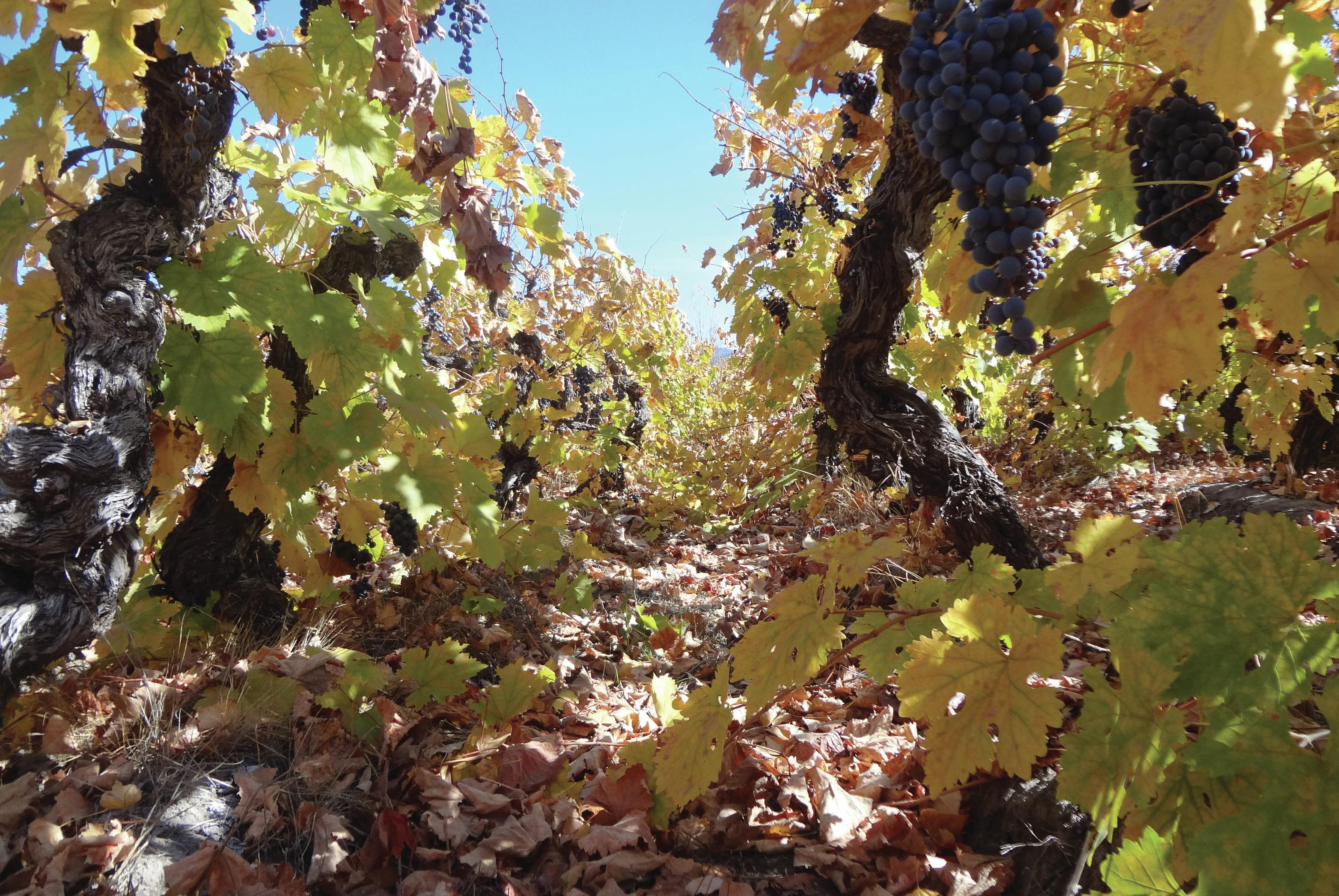
This message was key to Itata’s success in recent years. Wallbridge explains: “With the selling of Itata wines, you’re almost not even talking about Chile. You’re talking about the grower, this exciting new, funky, trendy wine; this lovely, elegant, lighter fruit profile and the cool climate. Chile sort of doesn’t even come into it.”
Fires have stopped this innovation in its tracks, at least for now, but there remains hope for Itata’s future. The Maule Valley was similarly ravaged by flames in 2017, causing 11 deaths, and affecting more than 580,000ha.
Six years on, the land has managed to recover, with young new vines bearing fruit alongside the charred remains of their predecessors.
Driving through Itata in the current fire’s wake, among the scorched trees and blackened land, Mossman Knapp saw signs of new life. “Flowers were starting to bloom in blackened forests,” says the Canadian-born winemaker. “If 10ha or 15ha of old vines were burned, it was 10ha or 15ha too much, but there are lots of people picking and sending grapes off for analysis.”
Indeed, grapes are being sent off to France for testing, and even Australian winemakers, well versed in the effects of wildfires, have lent a helping hand. The tragedy has reverberated on a global scale, turning heads in Chile’s direction. “In a sad way, it helps to call attention,” Mossman Knapp says. “If this helps the world to see Chile in new eyes, then I think that’s the greatest thing that can come out of this.”
Related news
Cono Sur shows off terroir-led range
All the medallists from the Bordeaux Masters 2026
Black Odesa: Felix Hart goes viral in Peter Stafford-Bow's new wine novel


