



Sulphites: a sensitive touch
Whether to add sulphur dioxide to wine is a question that is taxing many winemakers, in the face of consumer perception. Arabella Mileham delves into the big sulphite debate.
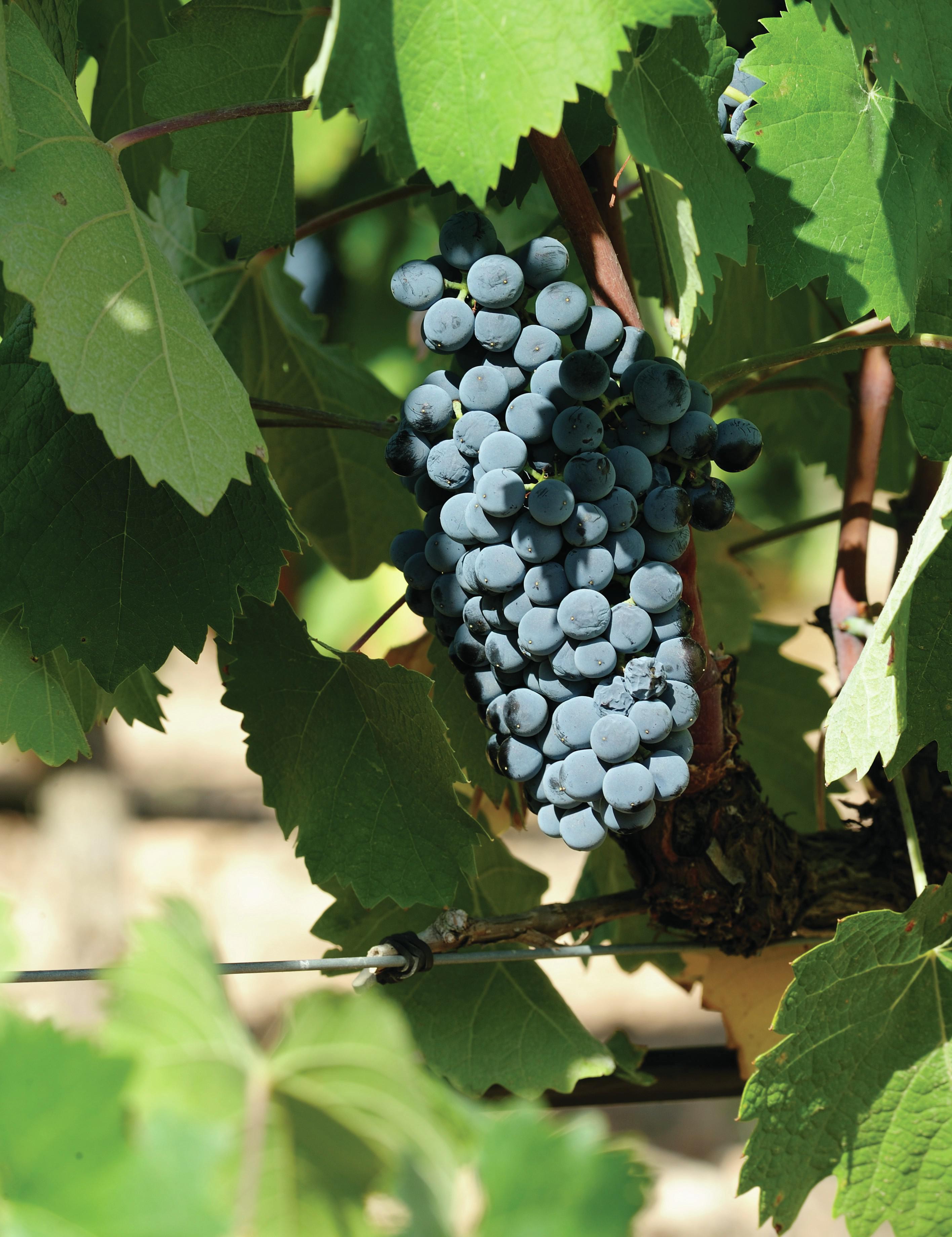
To add sulphites or not – the question has become a hot topic in recent years. Their role in preventing spoilage in food and wine goes as far back as Roman times, when sulphur candles were burned in barrels and amphorae – and they have been used specifically as a wine additive for centuries because of their antioxidant and antimicrobial properties. There are written records of such usage dating from the 17th century.
However, to Keith Grainger, wine consultant and author of Wine Faults and Flaws: A Practical Guide, sulphites have developed something of an “image crisis” over the past five years, and there has been a move away from using them.
Although few firm statistics are available, wineries are reporting an increase in demand and sales of sulphite free wines. Natalia Esteso Walker, wine ambassador at García-Carrión in Spain’s Jumilla region, for example, notes that in 2020, the company’s sales of sulphite-free wines amounted to 1,900 litres, rising to 5,100 in 2021, and 20,200 litres in 2022.
“We are witnessing a growing demand for wines with no added sulphites, from a customer base influenced by the media,” Jeanne Fabre, president of organic wine fair Commission Millésime BIO explains. “This is in line with the current trend of wanting to limit inputs as much as possible, and consume the most natural products possible.”
However, whether this is entirely consumer-led is up for debate. Because sulphites are known to be an allergen in some people, causing dizziness, wheezing, a rash, upset stomach, or in some severe cases, life-threatening anaphylaxis, it is a legal requirement in the EU and UK to state on the label if a ’wine contains more than 10mg/l total sulphur dioxide (SO2). This limit takes into account the small amount of SO2 that is produced as a byproduct of fermentation and occurs naturally in all wines, allowing a wine below that level to be called ‘sulphite free’, indicating that no sulphites have been added as a preservative during winemaking (which happens with conventional winemaking).
SULPHITE SENSITIVITY
There are also legal limits on the total sulphur dioxide content of wines in most major markets, which varies according to the wine colour and style. For example, a dry red wine offered for sale in the UK or EU has a limit of 150mg/l; in the case of organic red wines the limit is 100mg/l.
However, sulphite sensitivity in the general population remains low – the UK’s leading allergy charity, AllergyUK puts it at less than 2%, although this rises to between 5%-13% of asthmatics – and it can be very difficult to diagnose. So is it only those with a genuine intolerance seeking out sulphite-free wines?
It seems that while consumers may not look specifically for low-sulphite wines unless they have an allergy, the increased demand for such products taps into a wider trend towards less intervention, and ‘cleaner ’ products. Luis J. Peréz Prieto, technical director of Bodegas BSI in Jumilla, explains that consumers now are more worried about the environment and having “natural” products, and while they may not fully understand what low-added sulphites wines are, they still want “the healthiest and most ecological wines”.
“After the pandemic, people understand that it’s better; they know that wines have to feature it on the back label. If it says ‘no added sulphites’, consumers tend to identify it as a positive thing,” he explains. “Similarly, the terms ‘natural’, ‘ecological’ and ‘biodynamic’, are words that convey to the consumer the idea of a ‘healthier ’ product but, as a general rule, consumers do not have a full knowledge of what each of these means.”
It can also be hard for the consumer to distinguish the differences between organic and low-sulphite wines, argues Noelia Orts, winemaker at Chilean winery, Emiliana Organic Vineyards.
“Because there is no official regulation in this matter (although France is working on one), I think consumers can feel a little bit lost,” she argues. This is further complicated when low SO2 wines are made with non-organic grapes. And from my point of view that is a great mistake because the majority of the consumers that look for these kind of wines are looking for healthier wines that respect nature from the beginning, from the vineyard to the bottle, with minimal intervention. And some producers are not fulfilling this,” she says.
The consumer understanding – though simplistic – seems to be that less sulphites are better. However as, Fabre explains, demand varies from market to market.

“According to the 2022 study that Sudvinbio commissioned from CSA on ‘How do wine consumers perceive organic and sustainable labels?’, the English pay more attention to low carbon, while the French are more concerned about sulphites,” she pointed out. But it’s not just about perceived ‘healthiness’. Grainger says there is a difference in taste. “Wine with less added sulphites can be more vibrant: less SO2 makes for soft, round easy drinking.” BSI’s Peréz Prieto argues that the technological safety provided by using sulphites in oenology is “penalised by a sensory kidnapping. Wines in which sulphites are used are less expressive both in their aroma and in their taste – wines without sulphites therefore provide greater sensory expression.”
HORROR SHOW
But as with all things, this sensory explosion isn’t assured. “I’ve tasted some great low-sulphite wines, but also some horrors,” Grainger chuckles. David Babich, CEO of organic New Zealand producer Babich Wines (which does not produce a no-added sulphite wine) also points out that low sulphur wines are at higher risk of faults, undesirable flavour profiles, and a lack of varietal character on the palate and in aroma. “Even good examples of no-sulphur wines tend to fade quickly [oxidise] upon opening. And wines with no or low sulphur also tend to have higher natural histamine levels, so the allergen risk is still there.
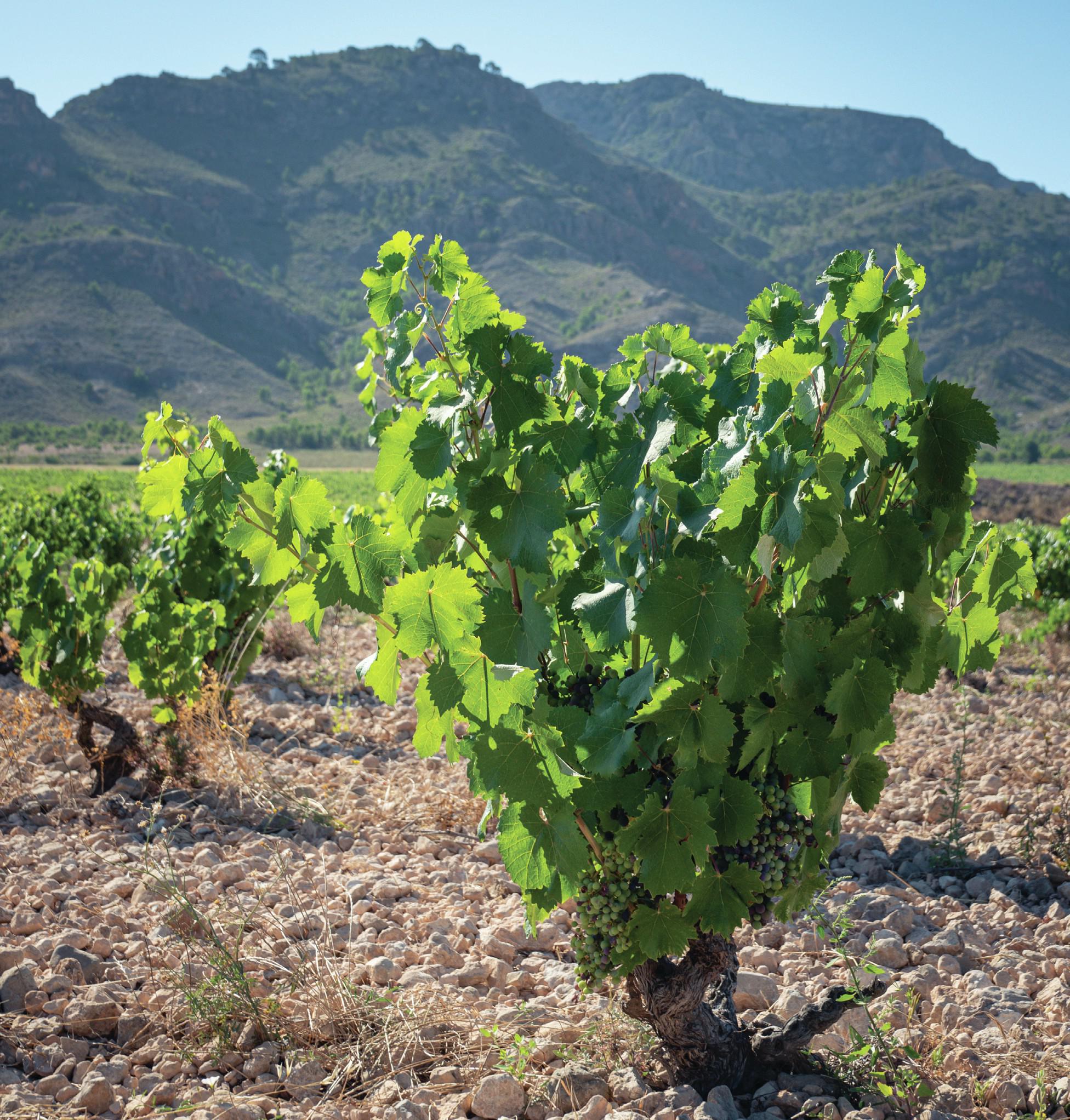
There’s no perfect solution, it comes down to finding a balance between reducing inputs like sulphur and delivering the optimal quality and style to the glass,” he says. Increasingly, winemakers are open to experimentation, moving away from conventional methods to look at ancient ways of making wine through the lens of modern expertise both in the vineyard and the winery, as well as utilising cutting-edge technology. José Requena Abellan, export manager at Bodegas Luzón in Murcia, Spain, argues that it is this that has fed demand. “Oenologists have experimented during the last few years. Once they have obtained an optimal product, the sales representatives have offered it to buyers from importers and supermarkets, and that is when consumers have begun to demand it, because they have started to believe in sulphite-free wines.”
For winemaker Noelia Orts it was a natural step to introduce sulphite-free wines as an extension of Emiliana’s organic production. “We are biodynamic and organic wine producers, so we are always looking after wines with minimal intervention. Organic and biodynamic wines certified by law have a lower limit of sulphites than conventional ones. So, this route was not so far away from our philosophy,” she explains.
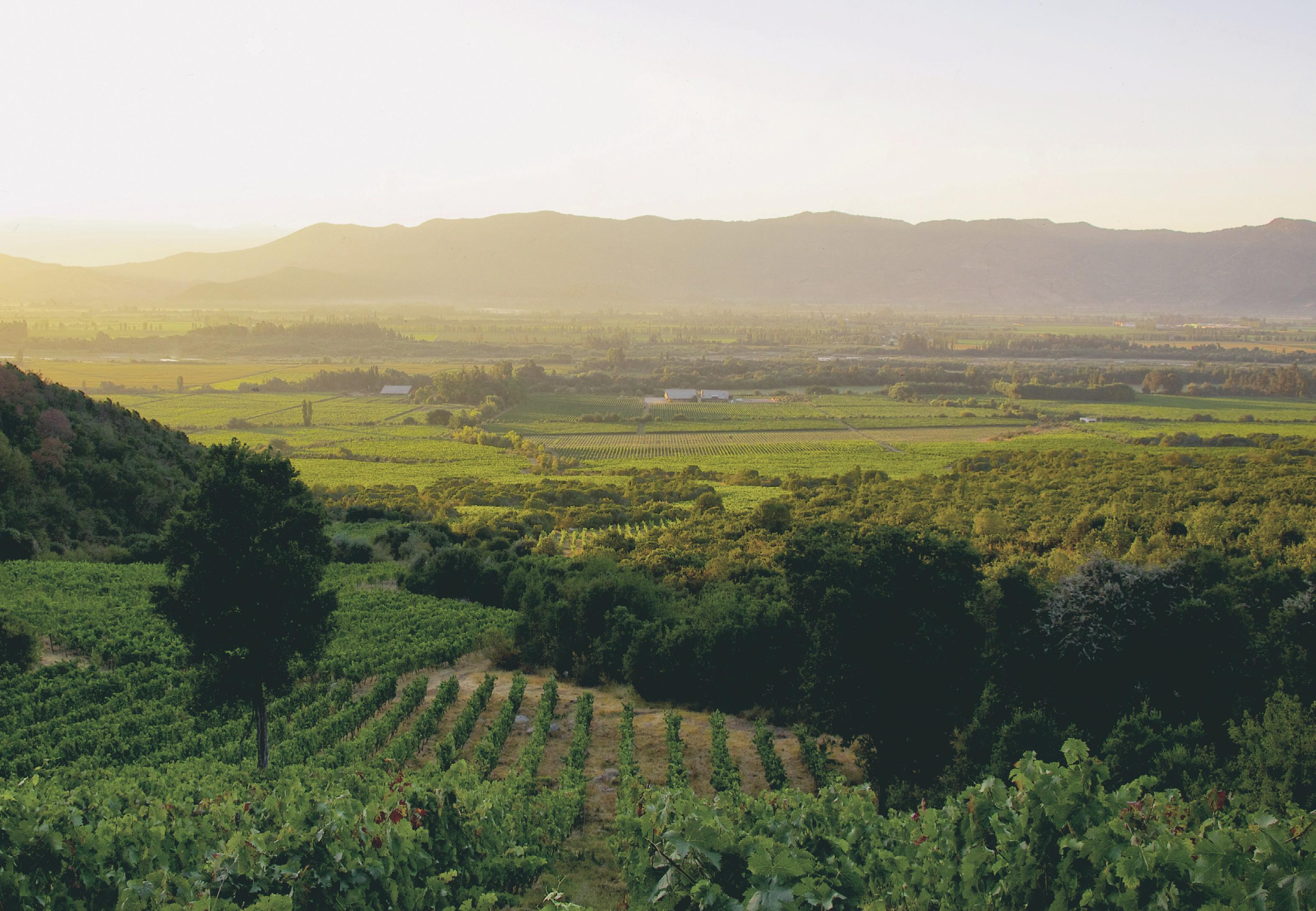
The winery produces a Syrah with a touch of Roussan from its coastal property in Casablanca Valley. “Every time we fermented this grape with native yeast, we realised we had something special: a speedy fermentation, very lowvolatile acidity, an amazing deep indigo colour, great natural acidity, and an explosion of textures in the mouth – the characteristics that I look for in a wine if I don’t want to work without sulphites.
After the success of Salvaje (the name of the wine) we decided to further explore this option in other grape varieties and origins,” she says. But as Orts warns, not all grape varieties in every region are suitable to working in this way. For example, lower acidity wines are easier to handle with lower sulphur as they’re more resistant to oxidative environments, because the higher pH, the more oxidation is accelerated.
A grape such as Syrah, which has the propensity to resist oxidation, would do well, but Tempranillo and Pinot Noir are seen as risky varieties with few anthocyanins and few polyphenols. Delicate white varieties tend to oxidise more easily, and rosés are also difficult. “There are some grape varieties with characteristics that help to make a nice wine without sulphites, some varieties have better natural pH, others are more reductive, helping in the ageing of the wine,” Orts notes. “But climate is also key in the decision of whether or not to go sulphite-free, and, of course, the health of the grapes.”
This is proved by producers of low sulphite Monastrell, a variety that tends to oxidise but does exceptionally well in the hot dry climate of Jumilla.
BEST BEHAVIOUR
Esteso Walker, of Jumilla producer García-Carrión, explains that despite experimenting successfully with Tempranillo, Cabernet Sauvignon, Merlot, Graciano, and Petit Verdot, which produced fresh and pure wines, the team decided to concentrate on Monastrell “due to its behaviour in the fields, and because it’s the best known variety in the Jumilla DO ”.
The need for a suitable climate is something Babich knows only too well. “The cool, maritime influenced climate in New Zealand really is a double edged sword for us,” he explains. “The climate here is a key driver of the elegant and aromatic varieties and styles that consumers have grown to love in our wines, however it also creates more disease pressure which encourages the use of sulphur as an antimicrobial agent. Ultimately there’s no easy way around using sulphur if we want to deliver the quality and style the market demands. While we’re continually looking for ways to reduce sulphur use or find replacements for it, we are not able to remove or replace it completely without compromising on quality.”
And while climate may be a key factor, it isn’t everything – even if the conditions in the vineyard are perfect, sulphite-free wines remain challenging to make. At Bodegas BSI, control starts in the vineyard. The team stresses the importance of green pruning in the spring, which eliminates non-fertile shoots that could reduce the vine’s productivity. “It is the biggest thing to take into account in non-irrigated vines,” Peréz Prieto says.

Esteso Walker agrees: “We obviously need very healthy grapes with the correct and controlled parameters, the perfect ripeness and the perfect conditions in the winery because anything else would be a risk. This year for example, there’s been practically no rain, and a lot of sun, which means micro-organisms don’t survive, so it is possible to have the perfect parameters. But it’s still complicated as you have to be very careful in how you cut the grapes, how the tractors are cleaned, and what you use to move the grapes around the winery.”
Additionally, a lot of analysis is required, which costs money and time – which is then reflected in the wine’s price.
Sulphite-free wines also require different treatment in the winery, Orts explains: “For the moment, I work without sulphites in wines that don’t use oak for their ageing. I prefer to do short ageing in concrete or stainless steel, looking for freshness and fruit-driven wines,” she says.
José Lovaglio, winemaker at Susana Balbo Wines, based in Luján de Cuyo, Argentina, argues that the additional precision required during the winemaking process makes a significant difference. “There is very low tolerance to the amount of external debris like leaves and dirt coming from the vineyard, as well as the sanitation of hoses, pumps and tanks,” he says. “If this process is done well, and no competing yeast or bacteria has got in, then the ageing potential can be as good, if not better than wines with added sulphur.”
CLEAN AND FRANK
And this is the crux of the issue – as Abellan from Bodegas Luzón puts it, the argument in favour of wine without sulphites is that “the aromas are cleaner and franker, less closed”, while the argument against maintains that the life of a sulphite-free wine is shorter – perhaps only 18 months. These wines also need to be drunk faster, once opened.
But experimentation is taking place to challenge this. For example, Emiliana has kept all vintages of its Salvaje wine in the cellar under various different closures, the aim being to find out which is the best method to preserve the integrity of the wine. “Only after these tests and studies did we decide to release the first vintage of Salvaje to market,” she says. Other producers report similar work – García-Carrión, for example, has carried out research for the past five years, using the same wine both with and without added sulphites to determine the taste and oxidation rate, and has noted a big difference between them. Ultimately though, Orts concludes: “Consumers have to try different things and decide what they prefer. The wine world is amazing, I don’t want to tell anyone what they should drink, they need to experiment for themselves.”
Read more:
Technical talk: Sulphites
Related news
J García Carrión: 'seeking harmony between tradition and science.”


