



Southern brave: Chile winemakers head south in search of new terroir
Chile’s future looks brighter than ever, with forgotten regions and sustainable innovations putting the rest of the world in the shade, says Sarah Neish.

Like a Magic Eye print, what looks to be the case when it comes to Chile’s terroir is rarely the full picture. Just when you think you’ve got a handle on it, you round a corner and it reveals another complex pattern, hidden in plain sight.
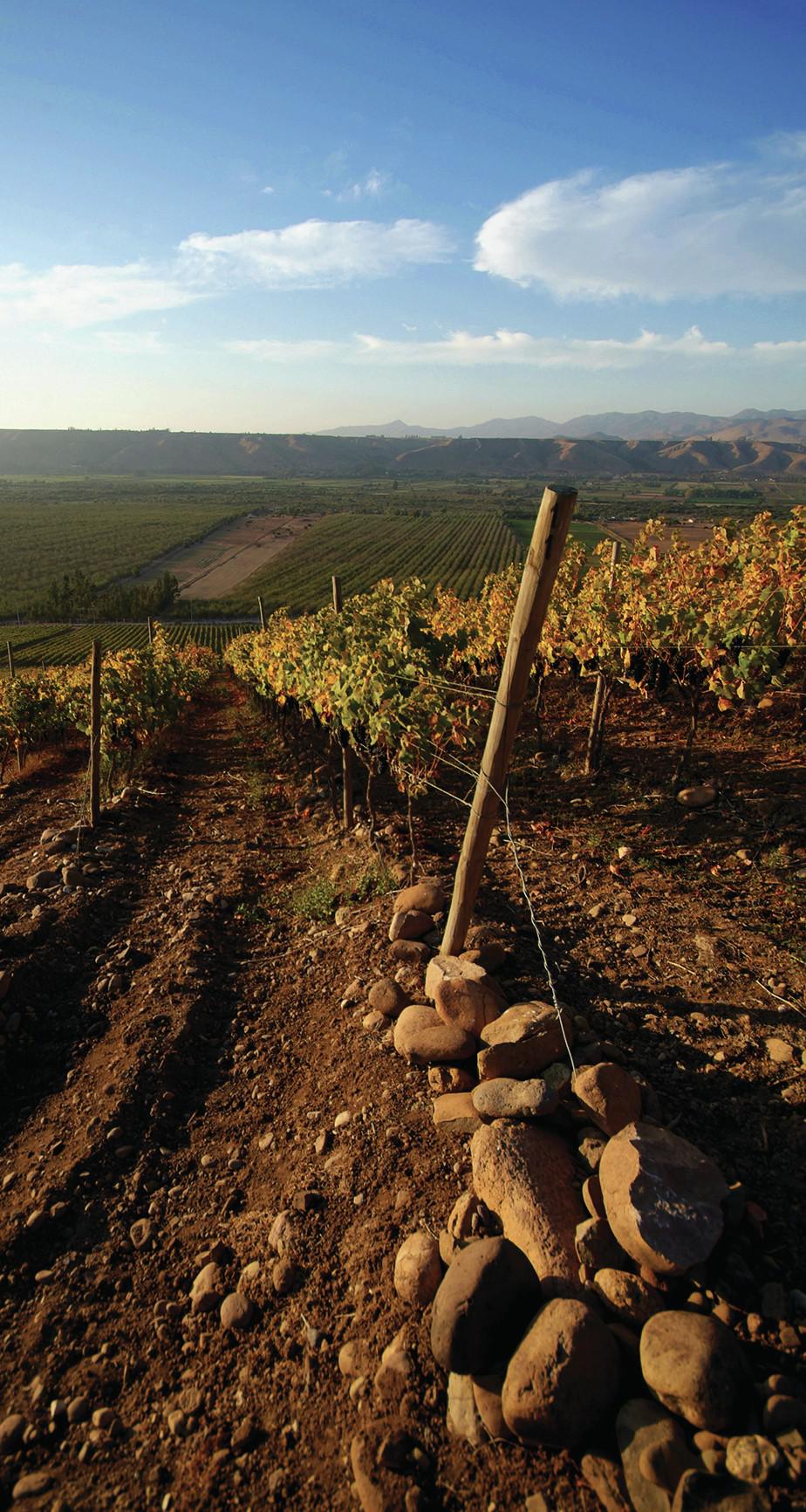
Climb up one side of a hill, for instance, and you might find yourself dodging five-foot tall cactus plants, while just over its peak, the other side tumbles down with lush evergreens that wouldn’t look amiss in the Swiss Alps. It’s not uncommon for half a valley to bake under the hot Chilean sun, while across the valley basin the other half bathes in the cool, moist air blowing in from the Pacific Ocean. The climatic conditions can be so diverse and in such close proximity that as Koyle winemaker, Cristobal Undurraga, puts it: “We pick our Carmenère between the middle of March and the first week of April, while our nearest neighbour often starts picking 30 days later.”
Utterly captivating
It’s not hard to see why winemaking here can be fascinating, frustrating and utterly captivating. But in many respects the country’s patchwork quilted terroir is what has kept Chile’s wine industry going during the past 12 months.
While it’s been a challenging year for most of the world in terms of delays, materials and spiralling costs, Chile has had its own particular issues to contend with.
Severe drought has left the country and much of its vines as dry as a llama’s hoof. To take the most extreme example, the Atacama desert in the country’s north, which usually receives an average annual rainfall of 20mm, welcomed a grand total of 0mm last year. Fortunately, things are starting to look up, with recent periodic spells of generous precipitation offering up a plentiful 40mm of rainfall across the desert, but there is still a long way to go to make up for an almost two-year-long dry patch.
One winemaker described the recent spells of much-needed rain as little more than “an aspirin”, which has provided only temporary relief from a far bigger climatic issue that is affecting all of Chile.
Search for water
This desperate search for water has played out against a backdrop of political uncertainty, with Chile plunged into unease over the potential rewriting of the country’s legal Constitution, which sets out the parameters for education, social rights, and tackling climate change, among other things. On 4 September, 2022, Chileans were asked to vote on whether or not they wanted to replace the original, Pinochet-era Constitution document with a newly drafted ruling, which would for the first time recognise Chile’s indigenous population.
It is impossible to over-stress the impact this decision will have on the country, following protests and bitter disputes that have rumbled on since July 2021.
“Whenever a country is unstable, either for political or economic reasons, it makes things difficult,” says Rodrigo Blasquez, winemaker at Santa Ema, of doing business in this vortex.
Surfing the success of Sauvignon Blanc
However, despite Chile’s politics, which, rather like Brexit, seem to have cleaved the country down the middle, there are many things that its winemakers are happy to agree on. One of these is that their Sauvignon Blanc is shifting at a phenomenal rate overseas – the white variety is by far the country’s biggest vinous export, accounting for 24% of volume sales (1,435,751 9-litre cases), and 22% of value, according to the latest Wines of Chile report (June 2021 to July 2022).
In comparison, Cabernet Sauvignon makes up 17% of exports in volume and value, despite the red variety having almost three times the plantings as Sauvignon Blanc.
One need only glance at the house white wine on offer at almost every pub, bar and restaurant in the UK to see that it has become a Chilean Sauvignon Blanc. And with prices of Marlborough wines jumping up a price segment due to the low yields in New Zealand, Chile has deftly slid into the gap this has created.
“There are very few places in the world that can make really good, consistent Sauvignon Blanc, and Chile is one of them,” says Meinard Bloem, winemaker for Los Boldos, in Cachapoal. The next step of the journey must be to show markets that Chilean Sauvignon Blanc can transcend the value category.
For this reason, many producers are offering three quality and price tiers for the variety; an introductory level, a Reserva, and a Gran Reserva. The strategy is paying off, with Morandé, for one, reporting a 30% leap in sales for wines made from the crowd-pleasing grape in the first half of this year.
Chile’s winemakers want to surf the success of its Sauvignon Blanc and persuade consumers to pay more for it. But they are also keen to use its growing popularity as a gateway into other whites.
Real treasure
Few dispute that while Sauvignon Blanc is their bread and butter at export, Chile’s real treasure when it comes to white wine is Chardonnay (though a smattering of old vine Semillon is getting critics hot under the collar).
Chile has seen an interesting evolution of Chardonnay during the past few years, with the latest expressions offering a mouthwatering salinity and texture, rather than pure fruit.
“While Sauvignon Blanc is our best seller – we sell twice as much of it as we do Chardonnay – there is more scope to make a complex wine with Chardonnay,” says Ricardo Baettig, winemaker for Morandé.
He pinpoints the key difference between a Chilean Chardonnay and one from any other winemaking nation as being a “noticeable absence of fruitiness”.
Price wars
Regardless of the grape variety, winemakers unanimously recognise the need to premiumise their product. And they are succeeding, up to a point. According to Wines of Chile, the average price per case for exports to the UK in 2020 was US$ 25.23. A year later, in 2021, this figure shot up to US$28.45 per case. However, as of June 2022, the average case price had dropped to US$26.75. It proves that it is possible to demand a more premium price for Chilean wine, but suggests that holding that price may be the real task. As Baettig says: “Making wine is easy. It’s selling wine that’s difficult.”
According to some, Chile is on the cusp of a second golden age, which may soon see its price issues fade away.
“Chilean wine entered a golden age in the 1990s, and peaked around 2005, after which time it dropped in quality and reputation,” says Nicolas Sutil, director of Viña Sutil, which encompasses the La Playa range. “Now we’re back on the upwards curve, and in the next 10 years – by 2030 – we will have hit another golden era.”
It would seem that paving has already begun along this yellow brick road, with Chile inching its way further into the fine wine scene. Last October, Santa Rita’s Casa Real entered La Place de Bordeaux. If any further proof were needed that Chilean fine wine is on the rise, it would be that Maquis has also just joined the French platform, with two expressions launched in July 2022.
Four négociants – Descaves, Medocaine, Ginestet, and Veyret Latour – will exclusively distribute the wines throughout Europe, North America and Asia. Ricardo Rivadeneira, executive director, said at the time: “We are proud to have two different vintages for each of the two wines added to the portfolio of the best wines in the world. To have both older and younger vintages for each wine on the platform is something really unique.”
Rivadeneira describes Maquis Viola as a “powerful Carmenere, blended with a little Cabernet Franc. He adds that Viola is more open and immediate, whereas Maquis Franco, a Cabernet Franc, rewards patience.
“Franco reminds me of my grandfather, who was very gentle and kind, but generous. Not the kind of host who would be there waiting for you at the door, but who opens up more the longer you wait, and has so much to give.”
Santa Rita is busy working on a secondary wine to follow Casa Real into La Place, and there are whispers of Vik considering joining the network too.
There can be no doubt that having a story to offer that is distinctly your own is of enormous benefit to sellers, whether that seller is La Place, an indie retailer, or one of the big supermarkets. And Vik has been quietly working away at something that will give its wine that extra edge.
Chilean barrels
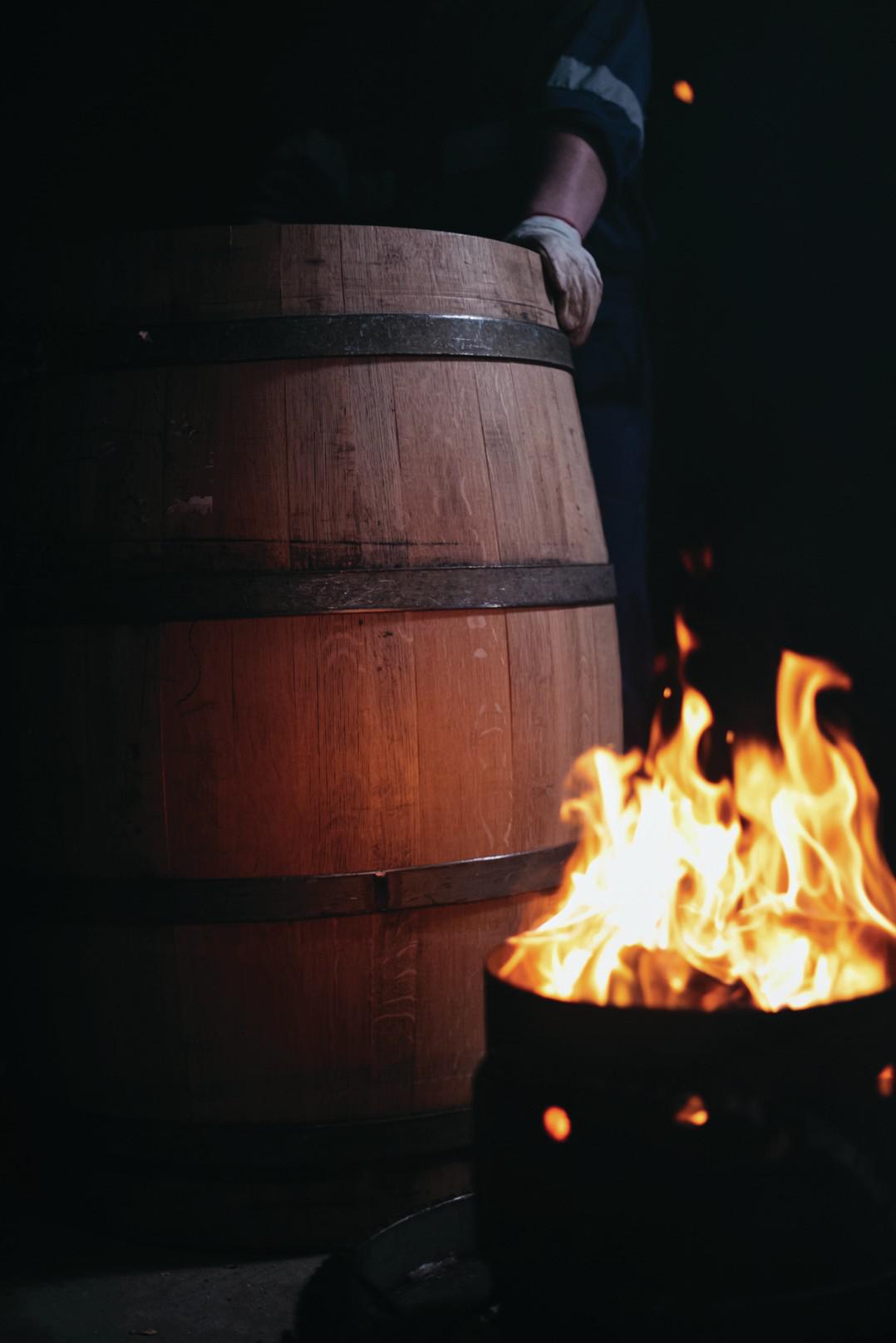
A new barrel-making programme, dubbed Barroir, has seen the brand make its barrels on site for the first time this year, using Chilean oak trees grown on its property in the Millahue Valley.
“Once a year we plan to do a sweep and collect any oak trees that have fallen to the ground (we never cut trees down), then use these to build a fire, upon which we toast imported French oak to make our own bespoke barrels in-house,” explains winemaker Cristian Vallejo of the new project.
Last summer, Vallejo managed to persuade Jean-Luc Sylvain, of renowned French cooperage Tonnellerie Sylvain, to travel to Chile and spend two weeks training up Vik’s team in the art of barrel making. The pair were acquainted from Vallejo’s time working at Château Margaux in Bordeaux, and the barrel boss was intrigued by the idea of crafting a Chilean cask from scratch.
“I wanted to keep the identity of the valley, and didn’t want the flavour imparted to our wines from the barrels to come from anywhere else,” says Vallejo.“We now have two full-time staff producing five barrels per day, and plan to train up another two staff next year to increase our production, and also to work on recycling existing barrels for next use.”
Another benefit of making your own barrels is that you can adjust the level of toasting to suit each of your wines, which, according to Vallejo, “allows us to be more precise with our winemaking”.
Rather than importing ready-made barrels from France, the French oak component of the programme arrives in Chile in the form of flat boards, which means shipping just one container rather than the three containers Vik used to require, cleverly saving on space and cost. “Eventually, I’d like us to make the whole barrel from Chilean oak but we’re taking it step by step,” says Vallejo, who also plans to visit Portugal in October to select the exact plot from which the cork for Vik’s wine bottles will come.
“Our philosophy is all about ‘holism’, and for us, this lies in the detail,” he explains.
Vik is not the only producer putting native trees at the top of its agenda. Undurraga, based in the Maipo Valley, is raising funds to support reforestation through its Aliwen range, for which it donates a percentage of its global sales revenue to Chile’s Fundación Reforestemos, to aid the replanting of native trees. The winery plants indigenous trees such as the Lenga and the Quillay in 11 Chilean regions.
Last year, Undurraga extended its Aliwen range to include two canned wines; a Sauvignon Blanc, and a rosé. More products means more sales and subsequently greater fundraising for the forestry project. It’s a matter that’s close to many a Chilean’s heart.
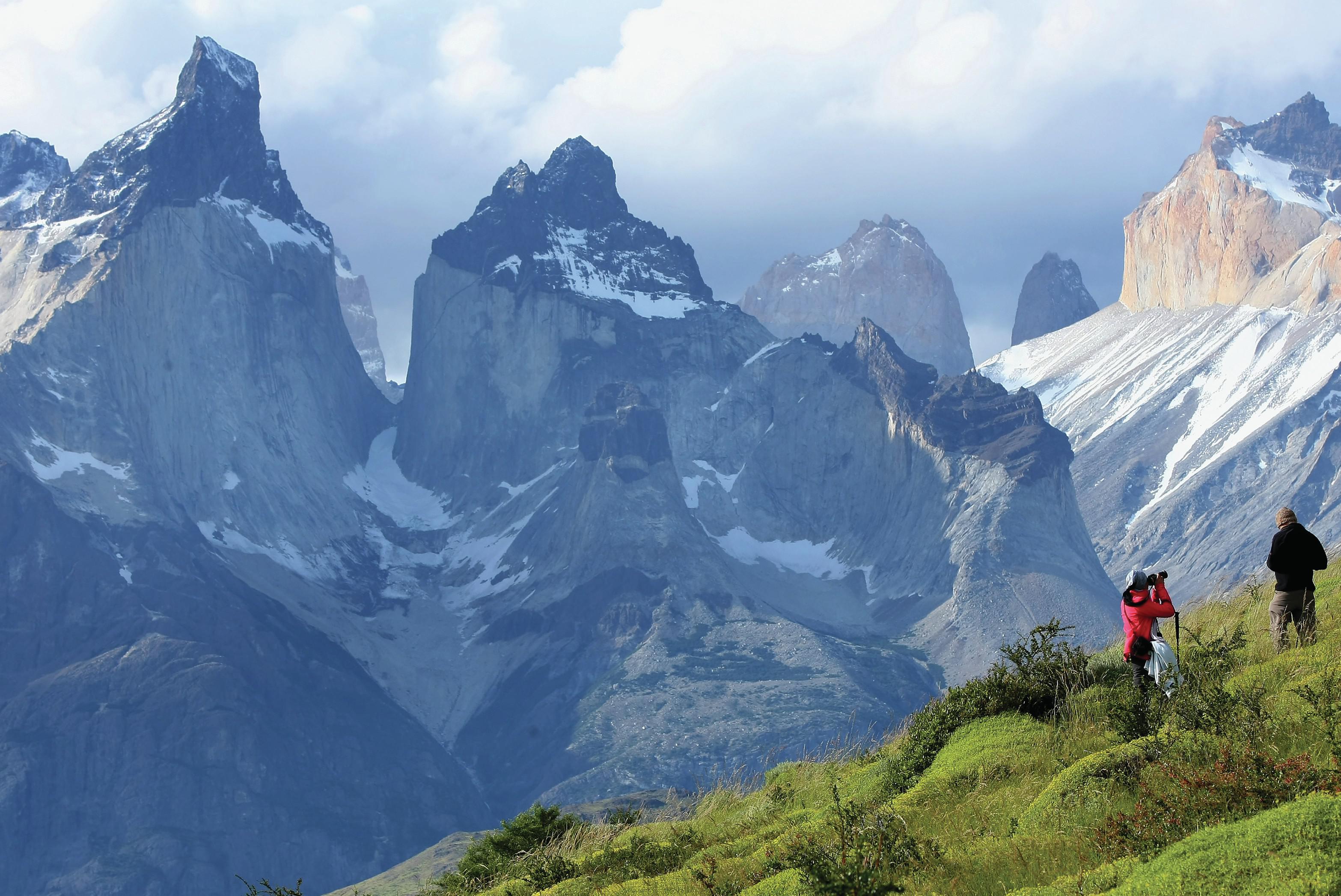
The urgent need for replanting began in 2011, following a devastating fire that broke out in Patagonia, razing more than 11,000ha in the Torres de Paine national park. A tourist was arrested for having set fire to some toilet roll in the park, though they denied that this could have been the cause of the blaze as it happened some distance from the fire’s path. The incident sparked a national emergency, with hundreds of firefighters clamouring to put out the flames, which raged for several months. It drew the world’s attention, and began an all-hands-on-deck effort to replenish Chile’s lost trees.
“The name Aliwen means ‘sacred tree’ in Mapuche, and the range is our way of paying tribute to nature and to our indigenous peoples,” says Eugenio Ponce, Undurraga’s export director, Europe.
Deforestation is the second-biggest cause of global warming, so through supporting the replanting work, the winery is also contributing to a more sustainable future, not just for Chile but for the planet. To celebrate the foundation reaching its goal of planting 1m native trees, this year Undurraga used its own recycled wine bottles to create a collection of water glasses featuring printed illustrations of Chile’s native trees. Twenty per cent of sales from these ‘green glasses’, which can be bought via the winery’s bricks-andmortar shop and website, is donated towards the forest foundation’s work.
The issue of fast-spreading wildfires raises big questions, as it does for winemakers across the globe, about how climate change will affect the future viability of vineyards.
Moving south
One of the biggest transitions in Chilean wine is a mass migration south. Put simply, winemakers must go where the water is. And that life source is creeping increasingly further down the country. It’s becoming less of a question of ‘should we move?’ and more a question of ‘how far do we go?’. “
Drought is affecting everywhere north of Santiago,” says Undurraga’s Eugenio Ponce. “In the next 30 years vineyards in Chile will be mainly down south, and we’ll see many more wines coming from southern regions.”
As a result of this climatic phenomenon, producers are packing their bags and taking off in search of new viticultural manna. “Our future is in the south. The north is too risky,” says Eduardo Jordán, winemaker at Miguel Torres.
Certainly, this is no new territory for the likes of Montes, and Casa Silva, which have for some time been experimenting with making wine in the extreme conditions of Patagonia, that farflung locale that paints Chile’s most southerly tip. However, it’s the minority of winemakers that are prepared to go to quite such lengths. Depending on where a winery is based, relocating its vineyards to the outer limit of the country makes little sense in terms of transport costs and the risk of oxidation that can occur in the wine on route. So the search is on to find a new ‘middle ground’ in the south; a safer bet.
“With our present conditions of temperature, precipitation will move south by around 400 km; this is a massive change,” says Elena Carretero, sustainability director, Santa Rita. “We are already carefully studying some terroirs to the south.”
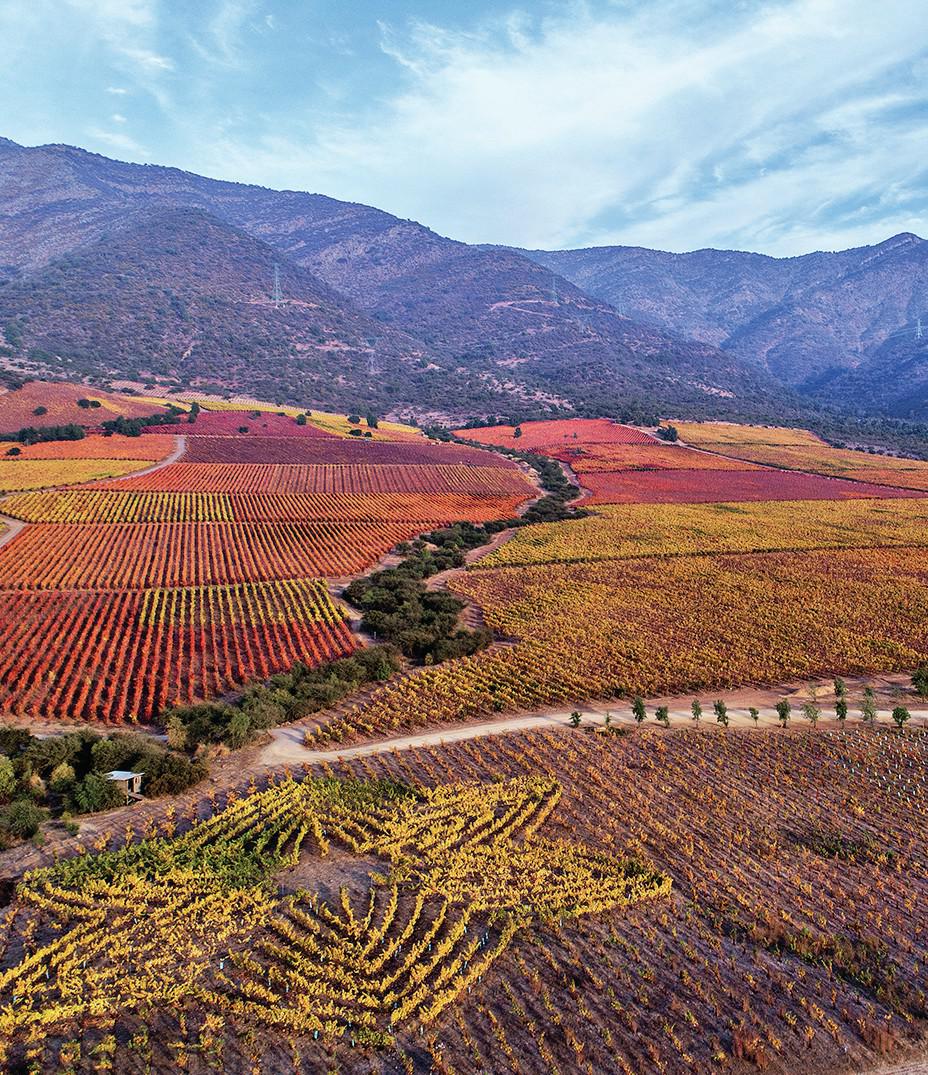
Undurraga, too, is planning to move its operations, and has earmarked Maule Valley. “What else can we do?” asks Ponce, who reveals the brand recently sold a 250ha vineyard in preparation to move south. “Times are changing, and you’ve got to get prepared for that.” One region feeling the seismic impact of this migration is Casablanca Valley. Despite producing exceptional wines, its future hangs in the balance as producers exit the area in their droves, heading for Leyda, Limarí and Colchagua.
“Casablanca used to be the zone of production par excellence, and was the first valley to be explored with real oceanic influence, but now it has a lot of problems with water. It’s very dry,” says Philippe Rolet, CEO of Los Vascos, the Chilean outpost of Domaines Baron de Rothschild Lafite. “In the past two years, we’ve switched all our grapes over from Casablanca to Colchagua.”
What’s frustrating for the industry is that the quality of Casablanca wines, especially its Sauvignon Blanc, is top drawer. It feels like a tragedy to leave it all behind. “Casablanca wines are as good as they’ve ever been. There are just more players now,” says Rolet.
Charles de Bournet, CEO of Lapostolle, is torn for this very reason. “We’ve been talking about leaving Casablanca for 10 years. But then we taste the wines and say ‘We can’t leave. They’re just too good.’”
But he describes the finances involved in making wine from the region as “shocking”. According to de Bournet, it’s not only the lack of water that’s draining the coffers, but also black frost, to which Lapostolle lost its entire vineyard in 2014, as well as some more unusual, fluffy-tailed suspects.
“Rabbits are becoming a huge problem in Casablanca. They start off by eating the grapes, then they move onto the trunks of the vines. It’s out of control because it’s so hot and dry there and they have nothing else to eat.”
Viña Sutil has no regrets about quitting Casablanca to move to Litueche in Colchagua, which has less risk of frost and, presumably, fewer critters. “It’s giving us three times the grape volumes that Casablanca did,” says Nicolas Sutil.
One winery, however, is prepared to die on the hill for Casablanca. According to Terra Noble winemaker Marcelo Garcia, the brand plans to stay put in the valley, where it put down roots in 2006. “It’s easy to sell up and move away; much harder to stay and invest in the region, and work on improving it for future generations,” he tells the drinks business.
“We’ve reduced our hectarage so that we have lower yields, and more concentrated grapes. Several years ago, everyone was in Limarí, then they left after six or seven years without optimum water. Now the same thing is happening in Casablanca. The quality we have there is huge, so we want to conserve these efforts rather than simply leave.”
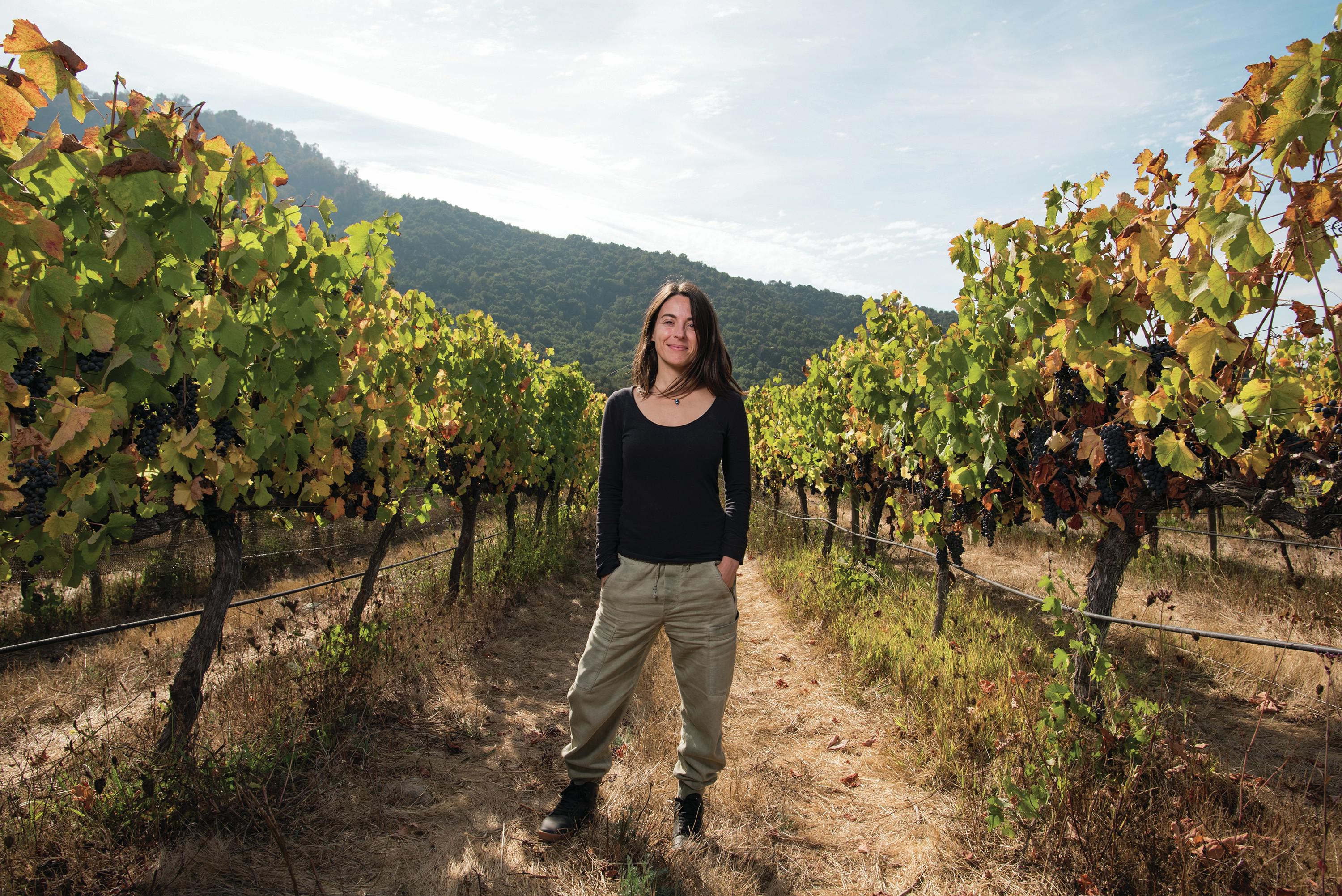
Noelia Orts, winemaker, Emiliana Organic Vineyards
It may prove to be a wise decision if the wines from the region continue to delight consumers. But how will Terra Noble manage to maintain its volumes if the situation there is so bleak? In Garcia’s view, the real issue is not a lack of water, but of over planting. “If the government doesn’t limit the number of hectares that can be planted in any one region, then winemakers will experience the same issues wherever they go,” he says. “It’s a matter of overcrowding.” Noelia Orts, winemaker at Emiliana Organic Vineyards, couldn’t agree more. “We like Casablanca, there is just too much planted there,” she says. “We are going to shrink our plantings – which currently account for more than 250ha in the region – and drop our presence significantly. In future, we will only use Casablanca for our premium wines.”
Forgotten region
While producers weigh up the quality of wines against their bank balances, one name crops up again and again in murmurings among the trade. Itata Valley, located in the Bío-Bío region, around 500km and a five-hour car journey south from Casablanca, is one of Chile’s oldest wine-growing regions. More or less forgotten until fairly recently, winemakers say that arriving in Itata is like “going back in time” due to its unpolished, raw appeal and small-scale growers that work the land by hand. “Itata is not as gentrified as areas like Maule or Maipo. It’s small and rural, much more rustic, with an average vineyard size of around 3ha per grower,” says Christian Sotomayor, export director at Valdiveiso.
The area’s very old, pre-phylloxera vines are owned by local farmers, who know every nook and cranny of the undulating hills and steep valleys. Due to an unfolding issue regarding the reappropriation of lands to indigenous Mapuche peoples, large wine companies are not willing to risk buying land there, meaning the farmers can command impressive prices for their treasures. The fantastic quality of the region’s grapes has led to brands jostling to secure exclusive, supply deals with Itata farmers.
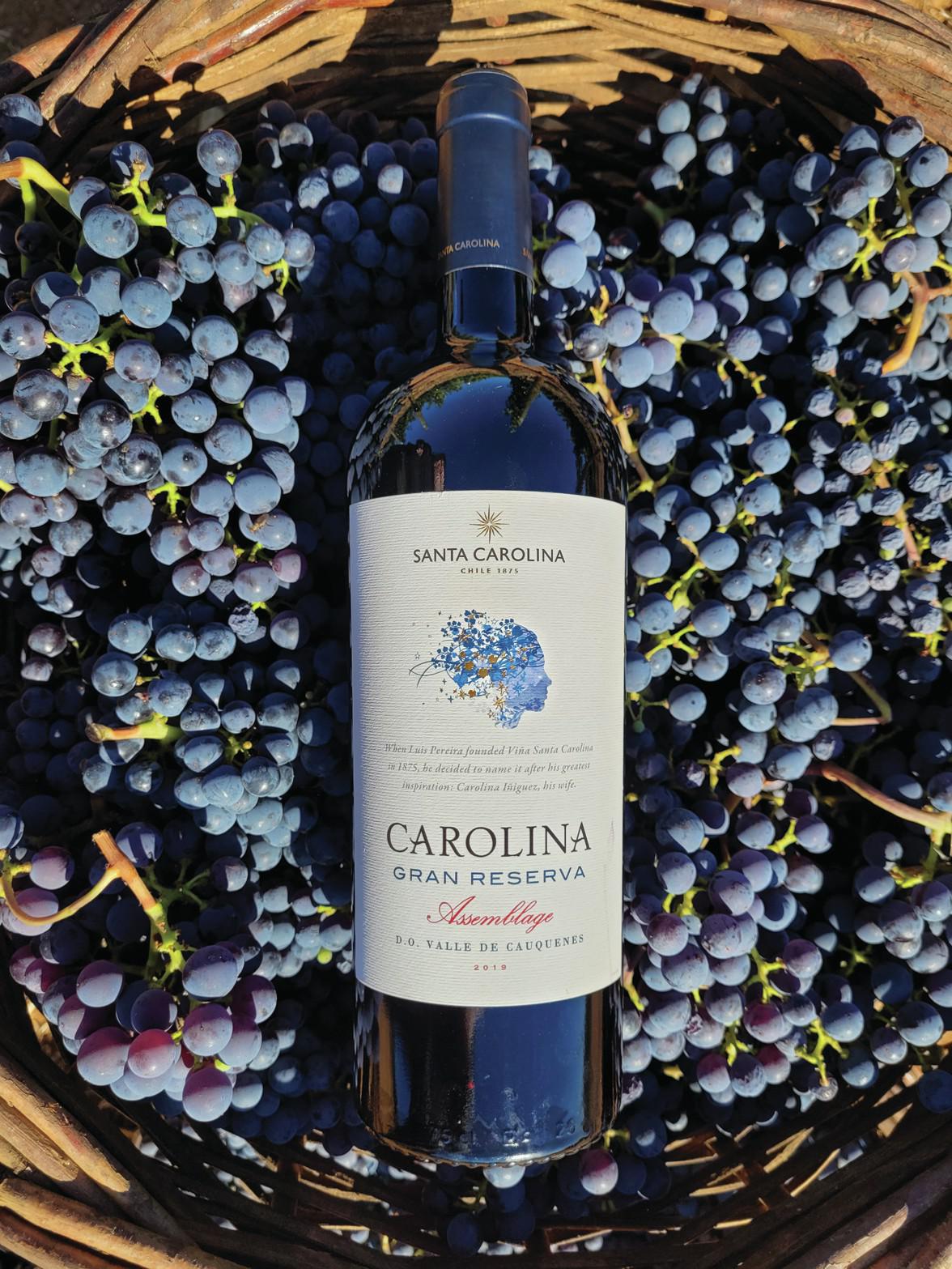
Viña Carmen, Miguel Torres, Viu Manent, Montes, Sutil, and Louis Felipe Edwards are among those working with Itata growers to transform their “extraordinary raw materials” into wines that can be brought to market. “If I had one coin, I would place it there,” says Andres Cabellero, chief winemaker at Santa Carolina, which includes an Itata wine in its new El Pacto range. “Wines from Itata simply have better balance than anywhere else.”
But what might the farmers get out of these partnerships with commercial wineries, other than big bucks in the short term? The answer lies in the wineries’ considerable research and development.
Established producers have the means and staff numbers to help growers analyse their soils, and the contacts and connections with laboratories to assess their wines. “We do all the lab tests for the grower we work with in Itata so that he doesn’t have to,” says Sutil. With lab work often directing decision-making in the cellar, it’s win/win for everyone. Miguel Torres has a similar arrangement with its growers in the Osorno Valley.
“They used to lose a lot of grapes to botrytis, but our team has a lot of experience in this area so we have been able to help them solve that problem,” says Jordán.
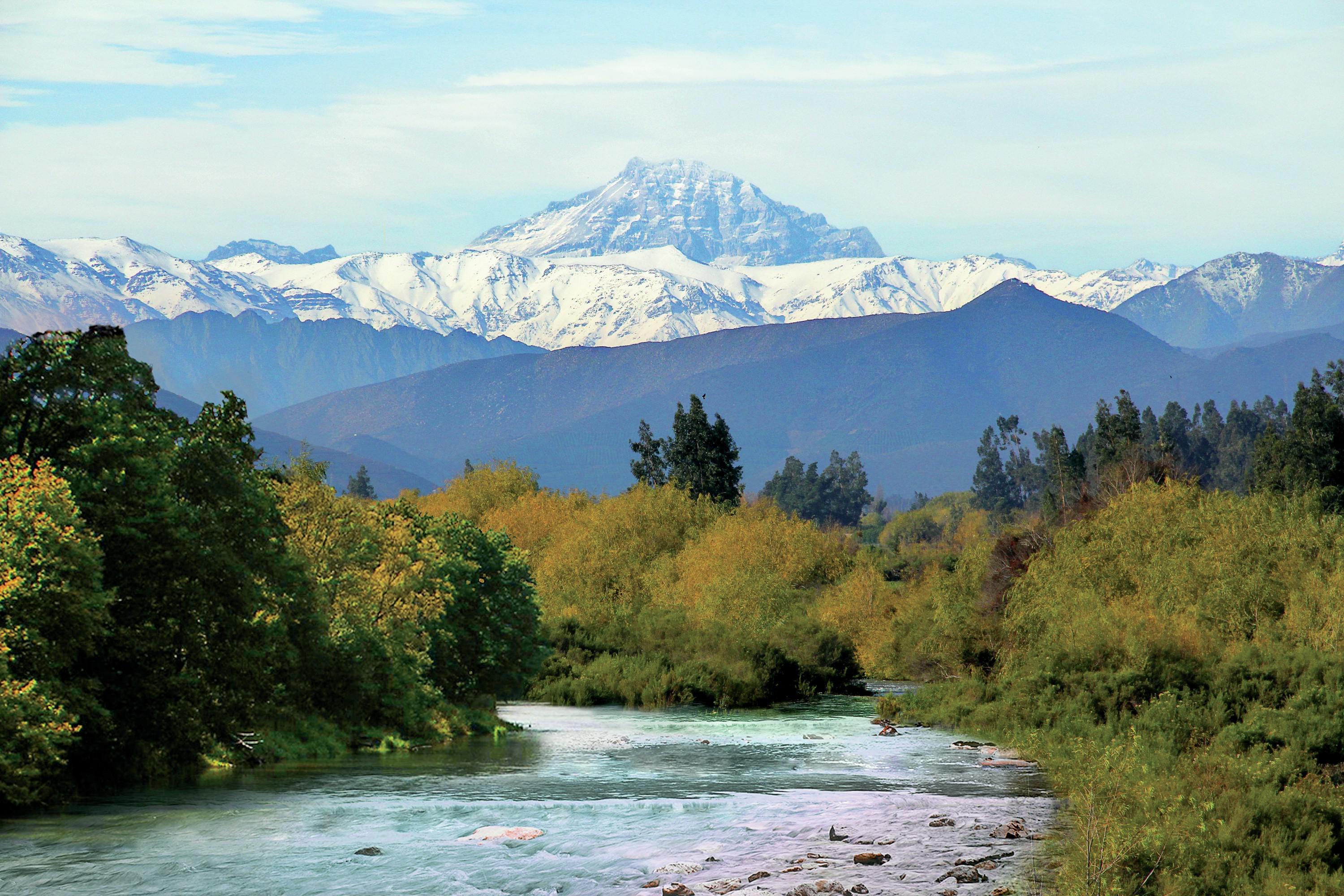
Especially seductive is the Cinsault coming out of Itata. The light, fruity red could be “Chile’s new Pinot Noir,” says José Miguel Viu, owner of Viu Manent. Fresh, floral, earthy, and with a minerality derived from Itata’s granitic soils, these are showstopping wines with a distinctly Chilean feel, and with a regional backstory to make even the most veteran sommelier weak at the knees. As well as still wines made from Cinsault, Valdiveiso is working on the launch of a sparkling rosé aged on its lees, suggesting that the variety may have more strings to its bow than first thought.
Desert storm
And what of the Atacama, that hostile desert perched at the top of the country? How have things moved on there in the last 12 months? It was Ventisquero that first planted in the Atacama, in 2007, and according to its winemaker, Felipe Tosso, the past year has been spent experimenting with irrigation techniques to reduce the salt in the soils.
“Deserts are full of salt, and drip irrigation causes that salt to rise,” he says. “This year we began using small sprinklers instead to help spread the water out, which means less salt rises to the top of soils, producing wines with less salinity. It has increased our yields by 20% – and we should see the results in our wines that are released in 2024/2025.”
It’s back to the Magic Eye. One minute there is salt, the next minute there’s not. But one thing Chile will always have, is a truly pioneering spirit.
Related news
Ancestral Chilean vineyards seek investors amid generational shift
Wines of Chile appoints new global commercial director
Domaines Barons de Rothschild Lafite launches new Chilean icon wine


