



The big interview: Matt Lambert, CEO, The Portman Group
Matt Lambert, the CEO of the Portman Group, has a challenging time ahead, fighting the corner of the alcohol industry as governments try to clamp down on it. But he tells Patrick Schmitt MW that he is optimistic about the future.
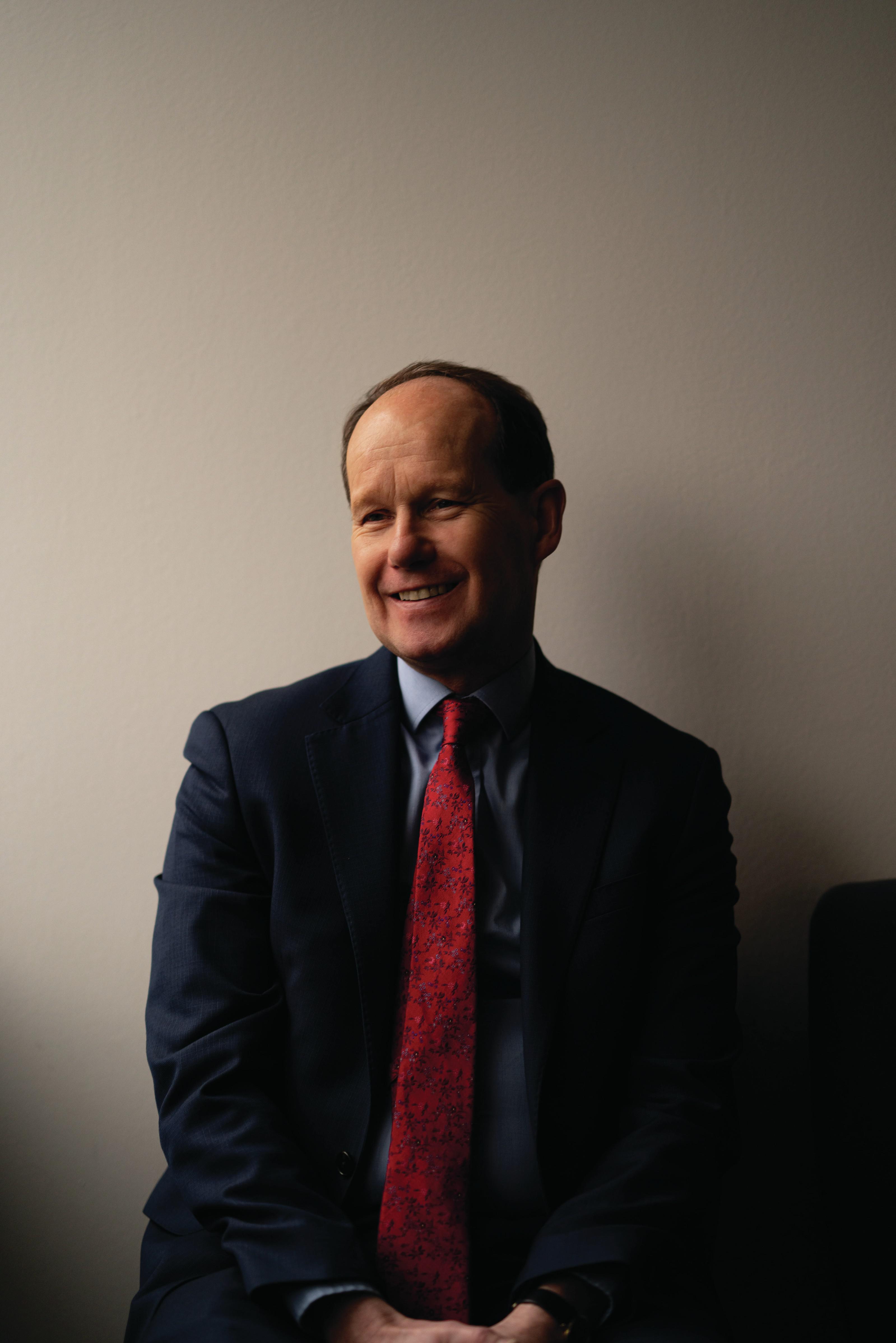
IF YOU aren’t already aware, then beware, the drinks industry is under assault. I’m referring to increasing pressures from various anti-alcohol groups, some with the support of medics and ministers, for Governments to set tougher rules for drink. Such rules concern how the product is marketed, distributed and priced. And to garner support for such measures, a range of associations are presenting alcohol as a dangerous consumable, at any level.
To fight back, it’s vital the drinks trade does two things. One is to make sure it remains responsible when it comes to promotion. The other is to ensure it has plenty of credible data to counter any scaremongering and misinformation regarding alcohol.
And this is where Matt Lambert comes in. CEO of the Portman Group, he has been brought in to “re-energise” a 30-year-old organisation that employs self-regulation to protect the UK drinks trade from harsher strictures. The organisation also, where necessary, puts up a defence of the industry’s practices, and a promotion of alcohol’s benefits. Lambert, who’s been in the post for just over a year, with a background in corporate affairs, including senior roles at Microsoft and Betfair, has plenty of experience “explaining big issues” to politicians, and expresses his strong belief that the drinks industry has, and continues to do, “a good job of self-regulating itself”.
He’s particularly proud of the Portman Group’s independent complaints panel, which considers objections from a range of sources concerning the naming, packaging, promotion and sponsorship of alcoholic drinks, to make sure they don’t associate alcohol with sexual success, or be seen to appeal to under-age drinkers.
His role, he says, is a “hybrid” one that involves “standing up for the interests of a responsible industry,” as well as “sometimes having to come down hard on those who transgress” – referring to people deemed to be breaking the Portman Group’s codes of practice.
VOLUNTARY BASIS
At the extreme, this might involve asking retailers to take a product off their shelves. But mostly, he says: “We work on a co-operative and voluntary basis to head off problems,” while noting that the organisation provides free advice to the drinks trade on its code, and “low-cost” training on how to market drinks responsibly.
More broadly, his job also sees him promote the benefits of self-regulation to the UK Government, which, he said, is an approach that “has served the industry and public well, and at no cost to the taxpayer”.
He also notes that over the past 25 years since the code was implemented, there have been five updates to take into account changes in society, while 170 products have been withdrawn due to breaching this evolving set of guidelines.
One area in which Lambert is particularly focused concerns “standing up for those who drink in moderation”, and the industry that supplies them, by trying to prevent “unnecessary or excessive regulations and marketing controls”.
Like those recently imposed in Ireland? I ask, referring to newly imposed minimum unit pricing, following a ban on alcohol advertising at sporting events introduced last year. “Yes,” he says. “Restrictions that are more akin to the way tobacco is regulated are not necessary because, almost without exception, the [alcohol] industry is extremely responsible.”
Furthermore, he reminds the drinks business about the benefits of drinking. “Alcohol in moderation is a great thing, and enjoyed widely by society, but a small proportion drink to harmful levels, and while they need help, they require targeted measures, rather than broad-brush approaches that affect four out of five people who drink in moderation, or not at all.”
While Lambert has not been able to influence the policy-makers in Ireland, he is relieved to say he has had an impact on a “global action plan for alcohol” that the World Health Organization is working on. Having seen “an early draft” last summer, he took issue with a suggestion in this WHO missive that countries “should discourage women of childbearing age from drinking at all”. He says: “We pointed out that this was over the top, and patronising, as a woman of child-bearing age can make their own decision as to whether they can or should drink alcohol, and they don’t need to be told by the global health authorities.”
As a result, he says that the message has since been dropped from the WHO action plan, which has yet to be finalised and released. He adds: “An intelligent adult can draw their own conclusions and make their own decisions regarding personal health, and while they do need to be given good, sensible advice, they don’t need to be told what to do.” Concluding on this topic, he says: “The key thing is that the WHO needs to stay away from overly prescriptive measures, and think more about targeted ones for those drinking to harmful levels.”
DIFFERENT ROLES
Lambert also stresses that it should be up to each nation how it approaches the issue of drinking, rather than WHO giving guidance to the world, noting that “alcohol has a different role in different countries. In the UK, the pub is the heart of the community, and drinking in moderation has always been a big part of the social and cultural fabric of this country, and, well, in some countries, drinking is illegal.”
He is also keeping a “close eye” on what’s happening in the EU, where a report by the Special Committee on Beating Cancer (BECA) states that there is “no safe level of alcohol consumption”.
Even though the statement comes from a piece of research that featured in The Lancet in 2018, which has since been proven flawed, it’s expected that such rhetoric will be used to justify more taxes, marketing restrictions and health warnings on alcohol for EU member states. Lambert says: “I’m not a medical expert, so it’s not for me to judge whether there is a safe level or not, but the Portman Group, and most people [in the UK], take their advice from the chief medical officer, who says it’s safe to keep within 14 units per week.”
He adds: “If you drink with moderation as part of a healthy lifestyle then it’s safe, and you could say there are positive benefits in terms of your social wellbeing too.”
He presents another way of looking at this: “Technically, you could say there is no safe level for getting in your car and driving down the road, but people take precautions, and take a balanced view.”
The Portman Group also seems to be getting the attention of the UK Government, as the group is an organisation that’s capable of speaking with one voice. “While there are lots of trade associations representing different parts of the sector, we are the only place where the entire industry comes together in one place,” states Lambert. This means that the Portman Group can “play a useful role in convening the sector”, focusing especially on health and social responsibility.
This has been seen with the issue of mandatory labelling requirements in the UK for food and drink. While the industry waits to see whether these will come into force for alcohol, Lambert points out that following a survey in September, “we found in the areas where the Government is consulting there are very widespread levels of voluntary compliance already, for example, 99% of products carry the pregnancy label [to warn against drinking when pregnant], with unit labelling at 94%, and the chief medical officer ’s guidance at 79%”.
When it comes to calorie labelling, he said that “almost 50% of products are carrying some form of calorie labelling on an entirely voluntary basis”. He concludes: “Our point to the Government is that there is no point wasting parliamentary time or money on mandating these types of guidance when the industry will do that.”
And while he admits that there is a “gap” when it comes to “smaller distillers and brewers”, he says “we are working very hard with the industry so we can get them on board”. But he also says: “The Government does also need to understand that you don’t want to overload a label with too much information and advice because at some point, the consumer switches off, so it should be simple, clear, actionable messaging.”
He’s also at pains to point out to those in power that the UK is not drinking more. Despite news breaking at the start of 2022 about “harmful” lockdown drinking trends, Lambert said that drink-related harm was on the decline. Yes, there has been a spike in alcohol-related deaths during the pandemic period in the UK, but this is a blip: the long-term trend is not only falling consumption, but a decrease in problems linked to drink.
Recalling stories in the UK’s mainstream media to suggest that “metrics concerning alcohol are heading in the wrong direction”, and that the nation “has a serious drink problem”, he says that it was wrong to say that the country as a whole was “drinking far more”.
In fact, he says the amount imbibed “has gone down consistently over the past 10 years, and Britons now drink about 15% less alcohol than they did 10 years ago”.
He stresses that if one considers “metrics like binge drinking, rates of youth drinking, drink driving, and alcohol-related crime, then they have all headed sharply down; they are typically around 10% down over the past 10 years”.
As for the most recent trends, he says that it was of “deep concern” to see an increase in alcohol-related deaths of around 20% in the UK in 2020, which he noted was “driven by the pandemic, particularly the various lockdowns”.
Explaining the reason for these “terrible numbers”, he says that they were most likely because the lockdowns in the UK from early 2020 onwards meant that “there was a lack of access to health and social support”.
In such a situation, this made it difficult for people to see their GPs, or gain normal access to medical services, while it ensured that those who were susceptible to drinking to excess did not have the much-needed support from friends and family, which are often key “coping mechanisms”, says Lambert.
“Regrettable though this is, and each one of those deaths is a tragedy, the overall drinking numbers have not gone up, and the majority continue to drink in moderation,” he adds.
“The key thing here is that we need to double down on the support for those drinking to harmful levels… the government needs to put more resources behind that. But we shouldn’t lose sight of the fact that the majority of people are drinking in moderation, and the numbers are going in the right direction, which is a good thing.”
As for the industry, he talks with pride about the trade’s response to the pandemic, heralding it as a sign of the industry’s responsible nature. “It rolled up its sleeves and turned its attention to producing hand sanitiser on a big scale to make those products widely available.”
Meanwhile, pubs provided “social support” as they “continued to be at the heart of the community”, while others “stood up and supported those who’ve had a very tough time during the last year”.
More generally, he says “drinking is mostly a positive part of the culture in this country, it is part of the well-being of society, it is not all doom and gloom, not all about binge drinking. Most enjoy a drink with friends and family, and when they are able to get back into pubs, it is because they are looking forward to seeing friends again in a social setting, not just to get their hands on a drink, which they can do at home.”
As for the Portman Group, it is increasing in membership, something Lambert is very pleased about, as it shows that “the industry takes us seriously”. And whatever the incumbent government, he says: “It’s important politicians of all stripes understand the positive work of the Portman Group, and the value of a voluntary approach, which should not be underestimated.”
And what if it had never been founded? “Well, we’ve changed or withdrawn 170 products where the marketing was inappropriate or damaging. But the unsung work of the Portman Group is working with industry every day procuring guidance or giving free advice, or training companies to encourage them to stay within the code and keep the industry in good order. And if we had not have done that, then maybe the Government would be much less flexible when it comes to regulation,” he concludes, suggesting that the industry could have been beset with restrictive laws on pricing and promotion.
This year in particular he’s focused on improving the Portman’s Group reach in Scotland, saying it’s “crucial the industry works with all of the devolved governments. We are not just focused on Westminster and Whitehall, and not just England; we have a big focus with politicians and officials in Scotland.”
And if you are wondering why, then, as Lambert warns: “There is a big focus on alcohol regulation and marketing there… so it is very important the Scottish government recognises the work done by the industry in terms of responsible behaviour.”
As stated at the outset, alcohol is under assault, so it’s vital the industry promotes its responsible face, and the positives of responsible drinking. It seems the Portman Group, with its independent complaints panel, strict codes, and united approach, is the right organisation to do this. Let’s hope its voice is heard.
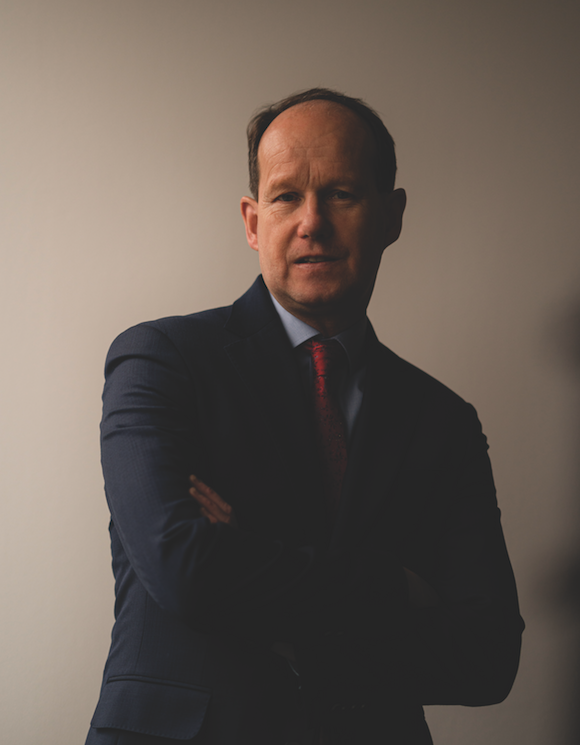
Biography: Matt Lambert
Matt Lambert joined the Portman Group as CEO in January 2021. Before that Lambert held senior roles in corporate affairs, including with Microsoft and Betfair, and was, most recently, CEO of the Federation for Industry Sector, Skills and Standards.
Lambert has been tasked with developing the organisation’s membership, and using his experience in corporate affairs to champion the Portman Group, and to build on its reputation as a strong and independent regulator and a powerful and persuasive voice for alcohol social responsibility.

About the Portman Group
The Portman Group is the social responsibility body and regulator for alcohol labelling, packaging and promotion in the UK.
Founded in 1989, it has over 130 code signatories from producers, retailers and membership bodies and it is funded by 15 industry-leading member companies.
According to The Portman Group’s website, the association “aims to consistently challenge the industry to deliver high standards of best practice and fulfill the essential self-regulatory role of ensuring the responsible marketing and promotion of alcoholic products to UK consumers under our Codes of Practice.”
It also notes that “The Code, which celebrates its 25th anniversary this year, outlines the guidelines all alcohol producers must follow when naming, branding and selling alcoholic drinks.”
The Portman Group provides free advice to producers on labelling design in relation to the Code and free training on how the rules are applied.
 Life during lockdown
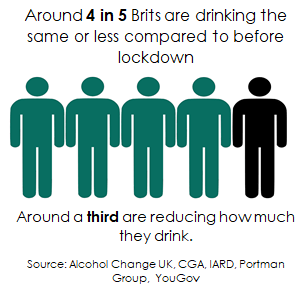
Despite the lockdowns leading to more people drinking at home, Portman Group analysis of 31 polls found 77% of UK adults drank the same or less than they did before the lockdown started in February 2020.
The lockdown saw an acceleration in people buying more expensive drinks; 70% of premium brands grew their market share compared with 2019 (Kantar 2020). There was also a 30% increase in supermarket sales of low- and no-alcohol drinks (Nielsen 2020).
Commenting on these findings, which were first reported last year, Lambert said in 2021 that it was “encouraging to see a significant majority of people continued to drink responsibly during the lockdown”.
He added: “Consumers turned to buying more low-alcohol products and higher premium drinks, accelerating trends already present in the market.”
However, the Portman Group cited both its own research and that from others to suggest that those in the UK who were already drinking at the heaviest rates had increased their drinking during the lockdowns.
Related news
‘Bonkers’ rosé sales in UK driven by four wine brands


