



The ‘hidden complexity’ of Vins de Provence wines
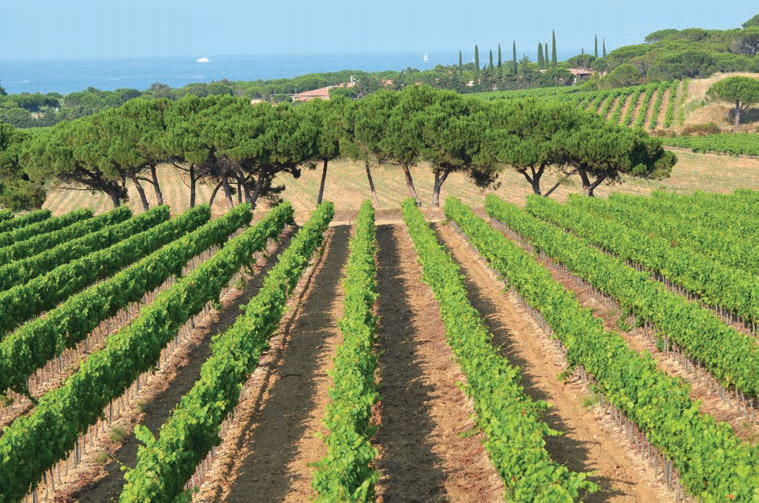
PROVENCE HAS become famous for its production of top-quality, elegant rosé wines. Indeed, 91% of the region’s production is dedicated to it. But while the words ‘Provence’ and ‘rosé’ may have become synonymous, the region has more to offer than might first meet the eye.
“Provence has triumphed in establishing its reputation for premium rosé wines that are fruity, dry, and, most importantly, pale,” says Brice Eymard, CIVP managing director. “Indeed, ‘pale’ has become synonymous with the region and with quality in rosé wines. However this may have hidden the complexity of Vins de Provence wines. ‘Pale’ is just the gateway to consumers’ discovery of the incredible reputation for diversity of flavours that Provence offers.”
Often overlooked, Vins de Provence’s primary focus on rosé equates to a huge amount of knowledge and variation in winemaking. “The differences are subtle, but to true rosé lovers, they are vital,”
Eymard says. “Vins de Provence’s diversity of terroir offers rosé wine aficionados an incredibly complex range of flavours and styles to discover.”
And while 70% of Provence’s rosé wines are produced in the region’s largest and most diverse appellation AOC Côtes de Provence, this represents a patchwork of terroirs, broadly divided into calcareous Provence and crystalline Provence. Its terroirs stretch from the sea to the mountainous hinterland, and produce Provence’s signature style of fruity rosés. The second and third appellations, AOC Coteaux d’Aix-en-Provence and AOC Coteaux Varois en Provence, produce 19% and 11% of Vins de Provence wine production respectively. The former is bordered by the Rhône and Durance rivers, and its vines spring from calcareous and limestone soils, while the latter boasts vines at higher altitudes influenced by a more continental climate. Both offer fresh and mineral finishes.
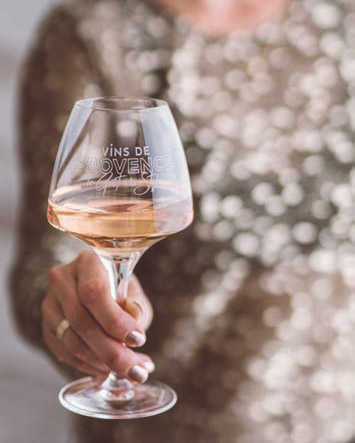
The wine itself offers a versatility for pairing with many cuisines “As consumers move towards wines that are lower in alcohol and tannin, Vins de Provence rosé wines provide the ultimate solution: highly gastronomic, lower-alcohol easy-drinking wines that pair exquisitely with all types of food and occasion,” says Eymard.
Food pairings range from a heavier roasted turkey platter to fish canapés, or lighter pasta dishes and Middle Eastern mezze plates.
With such precious terroir to protect amid rising temperatures and increasingly extreme weather patterns, Vins de Provence is dedicated to making the wine world greener.
Vins de Provence has launched wineindustry project EnViProv as part of the national France Relance recovery plan. Its aim, beyond revitalising the French economy, is to structure the transition to agroecology in the region.
A three-pronged approach allows Vins de Provence to address all issues presented by a transition to agroecology. From quantifying the environmental impact of industry in the entire region through a lifecycle analysis, to supporting environmental certification, and implementing practices that embrace a virtuous cycle, Vins de Provence is dedicated to helping create a better future for winemaking, as well as for the planet.
Related news
Master Winemaker 100: Fabrice Bandiera
Bordeaux sees booming interest from US buyers
Bijou brings a taste of the 'rapidly evolving' Languedoc to ProWein


