



Brady: The Finger Lakes needs to highlight its diversity
While the Finger Lakes has earned a reputation for its world-class Rieslings, the region needs to champion its other varieties, according to New York sommelier Paul Brady.
Speaking to db during a dinner in London put on to show off the breadth of wines being made in the Finger Lakes, Brady, who is also the brand ambassador for the New York Wine & Grape Foundation, said it was time to highlight the region’s diversity.
“The Finger Lakes has to move away from being branded solely as a Riesling region as that’s limiting. Producers have to show both consumers and the trade that the Finger Lakes is a diverse region that produces a wide range of wine styles.
“Cabernet Franc and Pinot Noir are coming on strong – a lot of wineries are dabbling in Cab Franc, and there are a number of producers committed to making quality Pinot. There will never not be a demand for affordable Pinot.
“You can forget about making Pinot in the Finger Lakes unless you’re really serious about it. A lot of producers used to make it but have stopped.”
Brady admitted that it has taken longer than expected for New York sommeliers to embrace the wines, despite them being made a few hours away from the city.
“The success of the Finger Lakes was strongly disrupted by the rising popularity of natural wine in NYC around 2010, which was a great vintage in New York.
Partner Content


“Sommeliers started getting into natural wines, orange wines, Alpine wines and volcanic wines and the Finger Lakes got a bit forgotten about, forcing the wines to take a back seat. The momentum was halted and we’re only just getting over that,” he said.
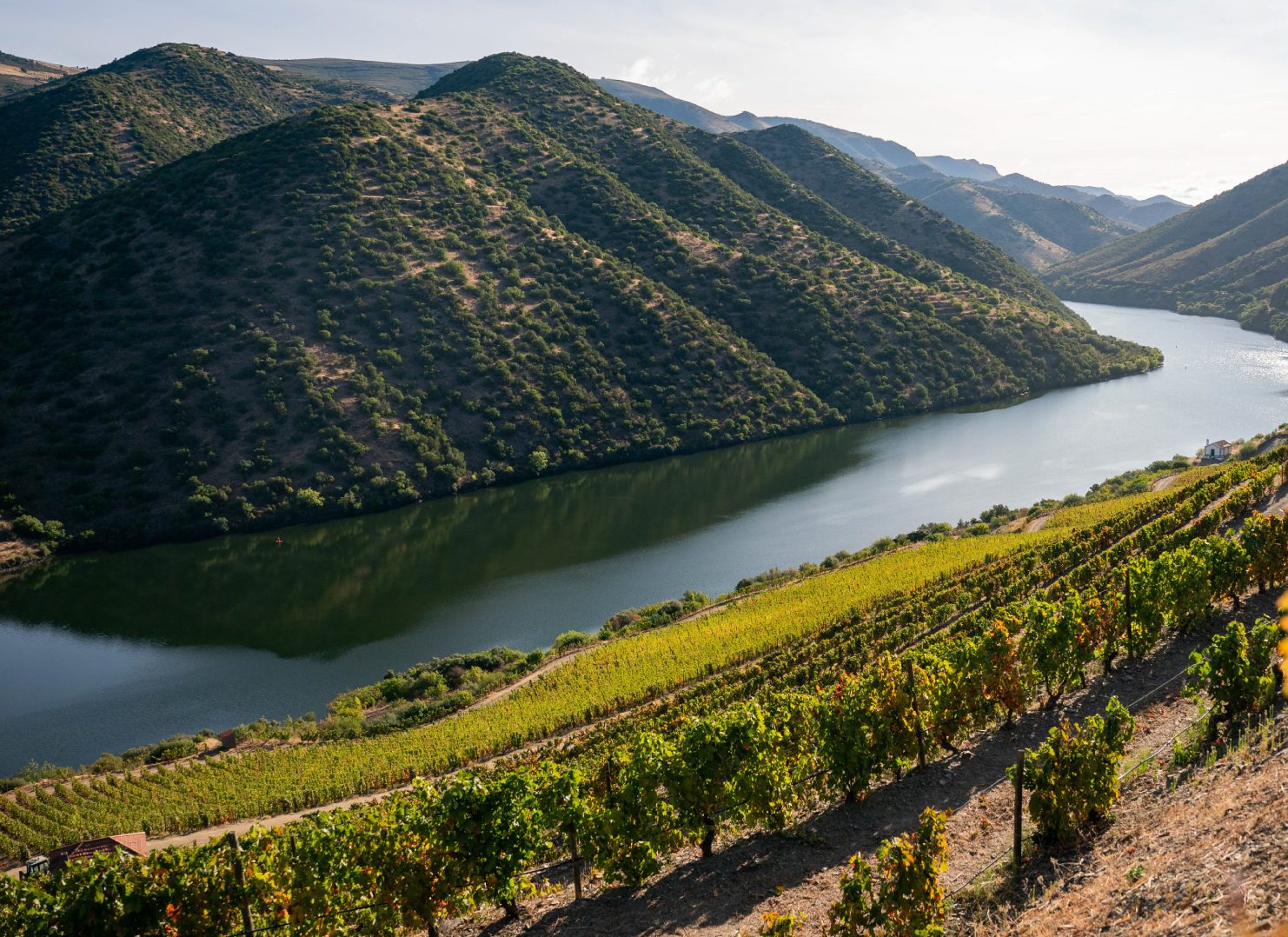
The Finger Lakes are a group of 11 long, narrow, glacial lakes in New York, a five-hour drive from New York City. The AVA is located in Upstate New York, south of Lake Ontario. The first record of winemaking dates back to 1829.
The areas around Keuka, Cayuga and Seneca lakes contain the majority of vineyard plantings in the AVA, which produces 220,000 cases of Riesling a year.
The largest wine-producing region in New York State, the Finger Lakes boasts around 4,500 hectares of vines and 100 wine producers.
An early pioneer in the Finger Lakes was Dr. Konstantin Frank, who established his eponymous winery in the ‘60s and began growing Riesling in Hammondsport. Seneca is the largest lake in the Finger Lakes system and is widely considered to have the region’s best terroir.



This article doesn’t make sense to me on a number of points. First and foremost, though I agree that the Finger Lakes can and does produce many varietals at a high level, including Chardonnay, Pinot Noir, Cabernet Franc, Blaufrankisch, and others, it is one of the very few regions in the world capable of producing truly world class Riesling, arguably the most distinguished white varietal. The fact that this region is so clearly suited to Riesling speaks for itself – this is agriculture after all. Yes, Riesling is more difficult to sell than other grapes, but the Finger Lakes is already recognized as a great wine region by wine makers and wine lovers around the world, and it isn’t because of Cabernet Franc.
I also question how to resolve the tension between the statements that “Pinot Noir is coming on strong” and “…forget about making Pinot Noir…unless you’re really serious about it. A lot of producers used to make it but have stopped.” Either it is coming on strong or it is on the way out. And on a related point, since we agree that only truly dedicated and talented growers can succeed with Pinot Noir, especially in conditions as challenging as those in the Finger Lakes, the assumption that FLX Pinot Noir should for some reason be “affordable” is odd to say the least.
I am also curious about the contention that the “Natural Wine Movement” somehow uniquely interfered with the acceptance of Finger Lakes wines in general. As an interested party (I am a wine distributor in Chicago representing one FLX winery at present), I have not noticed any relationship whatsoever between the FLX and “Natural Wine” market. The market we have found for FLX wines is dominated by buyers with a passion for classically structured, cool climate, old world varietal wines, and as entertaining as the progress of “natural wine” has been to watch, we see no more relationship between these markets than between the respective markets for “natural wine” and Wachau or Loire wines. People who are interested in vivid varietal flavor, singularity of expression and who value place over process, to borrow a phrase, know where to find such wines, at least in my little town of Chicago.