



Sparkling ambitions: Yamanashi Meijo steers sake forward
From Champagne-esque expressions to an upcoming rosé, Yamanashi Meijo is pushing the boundaries of sake making. Rebecca Lo speaks to the brewery’s president, Tsushima Kitahara, to discover how the Shichiken producer is reshaping the future of Japan’s iconic drink.
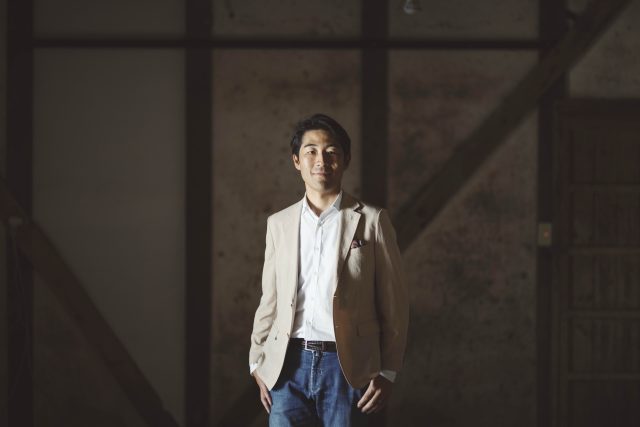
Earlier this month, Tsushima Kitahara literally stepped off the plane from Tokyo into the first activation of The Sake Walk IWC Champions’ Tour: dim sum paired with six Shichiken sakes in Hong Kong.
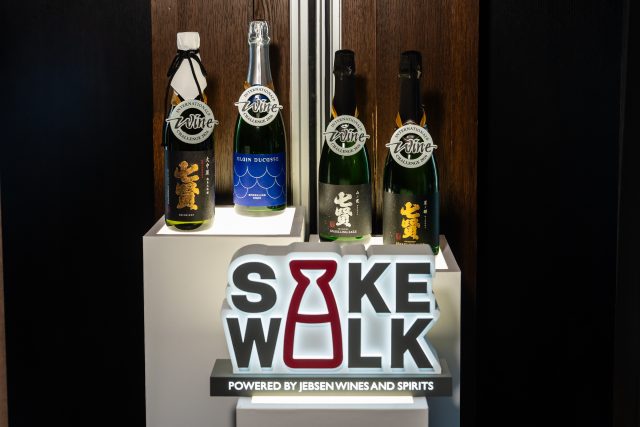
Organised by Jebsen Wine and Spirits for the third consecutive year, the five week-long Sake Walk starting mid-April aims to showcase sake’s versatility through tastings, masterclasses, pairing dinners and cocktail experiences across 30 of the city’s on-trade fine dining establishments.
Kitahara is president of Yamanashi Meijo, the maker of the 1750-established sake brand Shichiken and the 13th generation in his family to lead the brewery. As one of four participating houses in Sake Walk, he has been driving the development of sparkling sake at Shichiken.
Over the past seven years, he has worked hand-in-hand with head brewer Yuki Tezuka to push traditions as his house constantly reinvents itself.
Paired with food
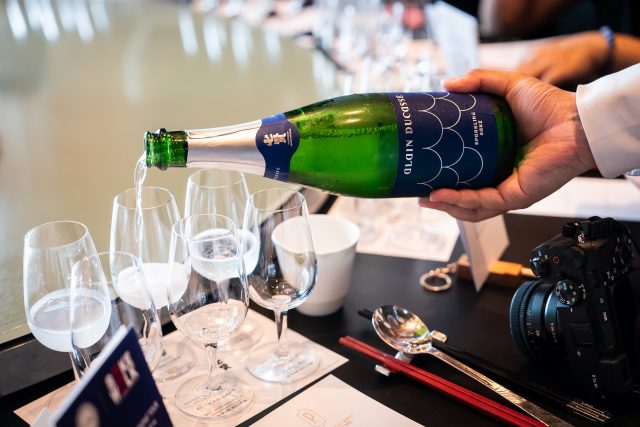
At The Legacy House Cantonese restaurant in Rosewood Hong Kong, guests were treated to three sparkling and three still Shichiken sake pairings. The fruity Shichiken Yamanokasumi Sparkling supported the bite of tangerine peel in bamboo pith dumplings. Meanwhile the crisp woody effervescence of Shichiken Alain Ducasse Sustainable Spirit balanced the sweetness of the restaurant’s signature barbecued pork buns.
“Through this partnership with Rosewood hotel, I hope to grow sake beyond Japanese food pairings,” noted Kitahara. “Besides Legacy House, we will host a pairing dinner in one Michelin starred Indian restaurant Chaat.”
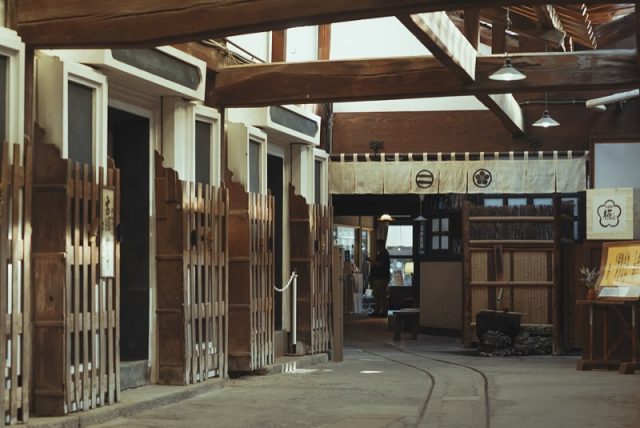
Sited 150 Km west of Tokyo at the foot of Mount Kaikoma in Yamanashi prefecture, the brewery has harvested soft Hakushu water to make Shichiken sakes for 275 years. Filtered through volcanic rock and granite to yield a high level of purity, Hakushu water accounts for 40% of the nation’s mineral water supply.
Adapting to demand
While respecting traditions, Kitahara felt that sake must move forward to align with consumer preferences. “Sake is part of the spirit of being Japanese, deeply intertwined with our spirituality and religious values, and an essential beverage in our food culture,” he noted. “But its form changes constantly in keeping with changes in society and consumer demand.”
Kitahara traced his interest in developing sparkling sake to his study of different cultures through travels.
Partner Content


He noticed that premium Champagne has always been a best seller in Japan for celebrations. To address a rise in demand for sparkling beverages, he learned how to produce effervescence in sake utilising Champagne methodology. “We initially faced a lot of hurdles,” admitted Kitahara, adding that trials and tests were all conducted in-house.
In 2015, the first Shichiken sparkling sake was introduced, making Yamanashi Meijo one of the pioneers of the sparkling sake category. Produced through a second fermentation within the bottle, Kitahara explained that “the key difference with our sparkling sake is there is no extra dosage”.
Fizz fix
With an annual production of 667,400 litres, Yamanashi Meijo began exporting 10% of its sake in 2001. Hong Kong is the company’s second largest market following the US, accounting for up to 25% of export sales compared to the latter’s up to 30%.
“Novel sparkling sake promises great potential in Hong Kong, where wine culture is deeply rooted,” said Kitahara. “Though sparkling sake accounts for 10% of our production, it equates to 20% in terms of sales. Sparkling sake opened the world to Shichiken.”
In 2019, Kitahara approached Alain Ducasse to collaborate on a sparkling sake designed to pair with the chef’s menu. “The healthy smaller portions and refinement of chef Ducasse’s dishes were in keeping with the direction of our new products,” he said.
Education, development and moving forward
First released in 2021, Alain Ducasse Sparkling Sake went on to win silver in 2022, bronze in 2023 and silver in 2024 at the International Wine Challenge Sake.
Education and immersive experiences remain critical to communicating Shichiken’s latest range of products to a wider audience. In June, a six-room ryokan (traditional inn) named Esoto will open near the brewery to offer experiences including tea ceremonies, spa treatments and kaiseki meals with sake pairings.
Product development has continued and typically requires two to three years, with the release of one special item per year. In keeping with his philosophy to marry tradition with innovation, Shichiken will introduce its first sparkling rosé this fall.
“Crafted using red rice, it derives a balanced acidity and subtle bitterness directly from the grains,” Kitahara stated. “It is characterised by its vivid hue and a faint aromatic fragrance of toasted rice.
“Moving forward, we are dedicated to advancing our product development to elevate our offerings from simply approachable sparkling wines to beverages of rich complexity.”
Related news
Why 'latitude' has exited the conversation
Vinexpo Hong Kong holds steady as appetite for Asian markets grows


